Baked Salmon With Lemon and Herbs – Simple, Bright, and Flavorful
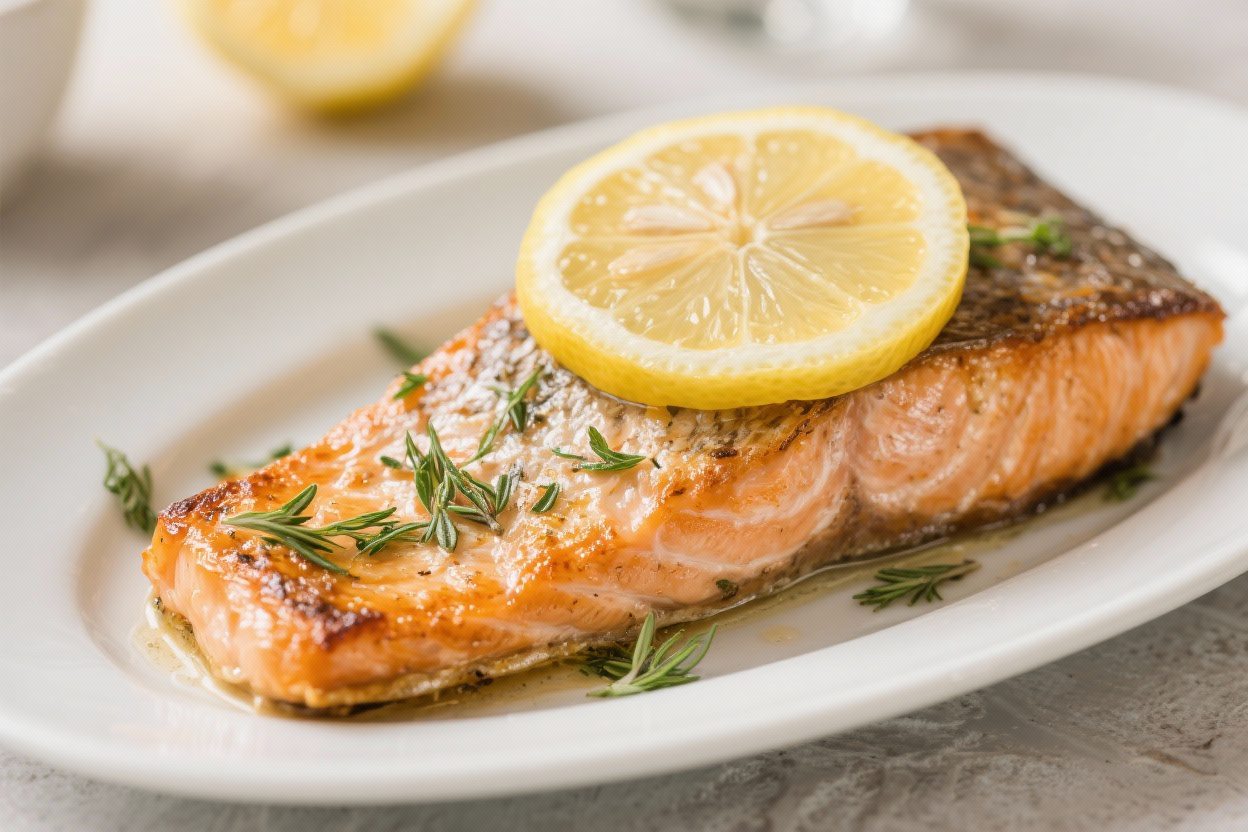
This baked salmon is one of those meals that looks impressive but takes very little effort. You get tender, flaky fish with fresh lemon, garlic, and herbs doing all the heavy lifting. The flavors are clean and bright, and the whole thing comes together in under 30 minutes.
It’s perfect for weeknights but elegant enough for company. Serve it with roasted veggies, a side salad, or fluffy rice, and you’ve got dinner done.
Ingredients
Method
- Preheat the oven: Set to 400°F (200°C). Line a baking sheet with parchment or lightly oil a baking dish to prevent sticking.
- Prep the salmon: Pat the salmon dry with paper towels. Dry fish browns better and releases fewer juices as it bakes.
- Season generously: Place the salmon skin-side down on the sheet. Drizzle with 1–2 tablespoons of olive oil. Sprinkle with 1–1.5 teaspoons kosher salt and 1/2 teaspoon black pepper. Add minced garlic over the top.
- Add lemon and herbs: Thinly slice one lemon and layer a few slices over the salmon. Squeeze the second lemon over the fillet (about 2–3 tablespoons juice). Scatter chopped dill, parsley, and thyme across the top.
- Optional richness: Dot the surface with small pieces of butter or add a spoonful of capers for briny pop. A pinch of red pepper flakes adds subtle heat.
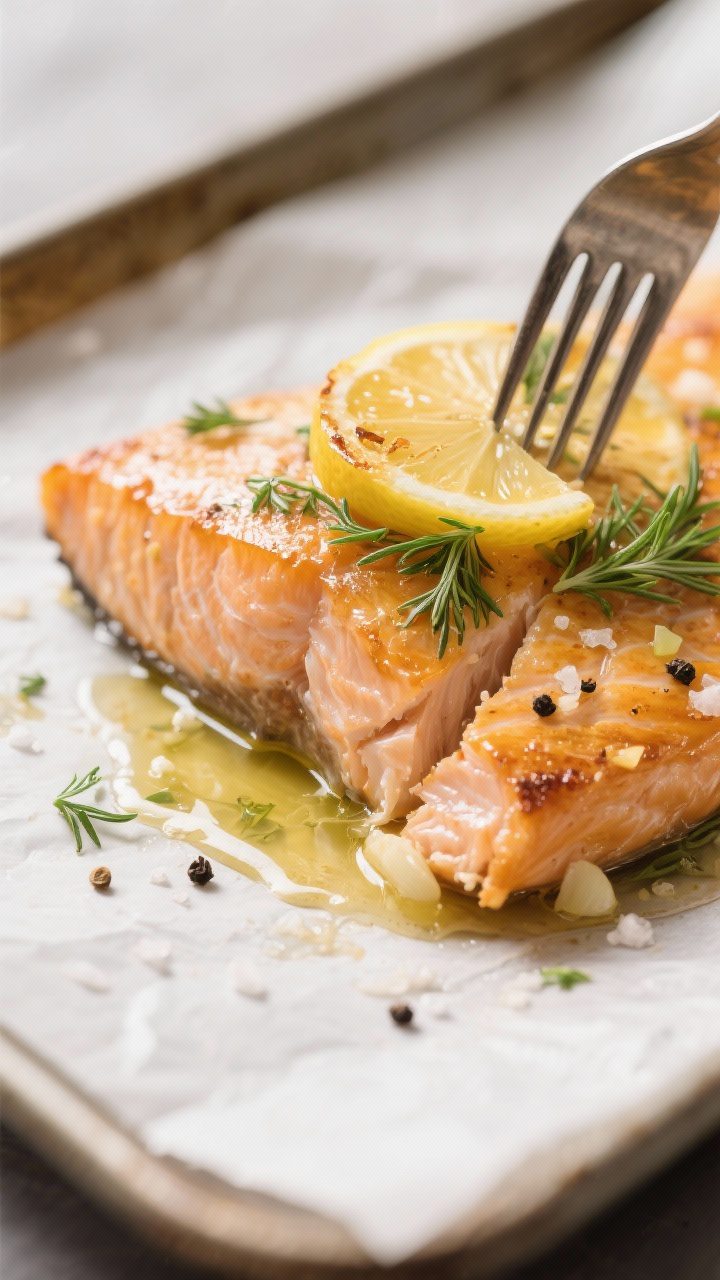
- Bake: Cook for 10–14 minutes, depending on thickness. A general rule is about 4–6 minutes per 1/2 inch of thickness. The salmon is done when it flakes easily with a fork and the center is just turning opaque.
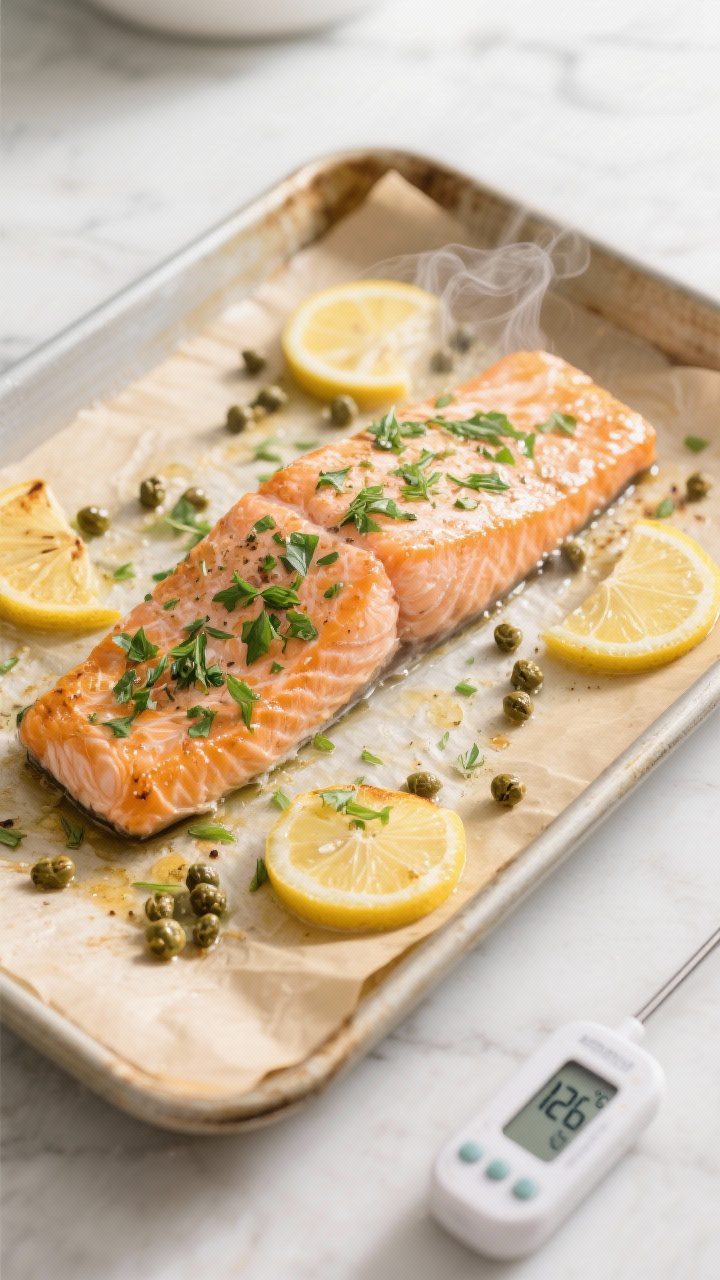
- Check doneness: If you use a thermometer, aim for 125–130°F for tender, medium salmon. It will continue to cook slightly as it rests.
- Rest briefly: Let it sit for 3 minutes. This helps the juices settle and keeps the fish moist.
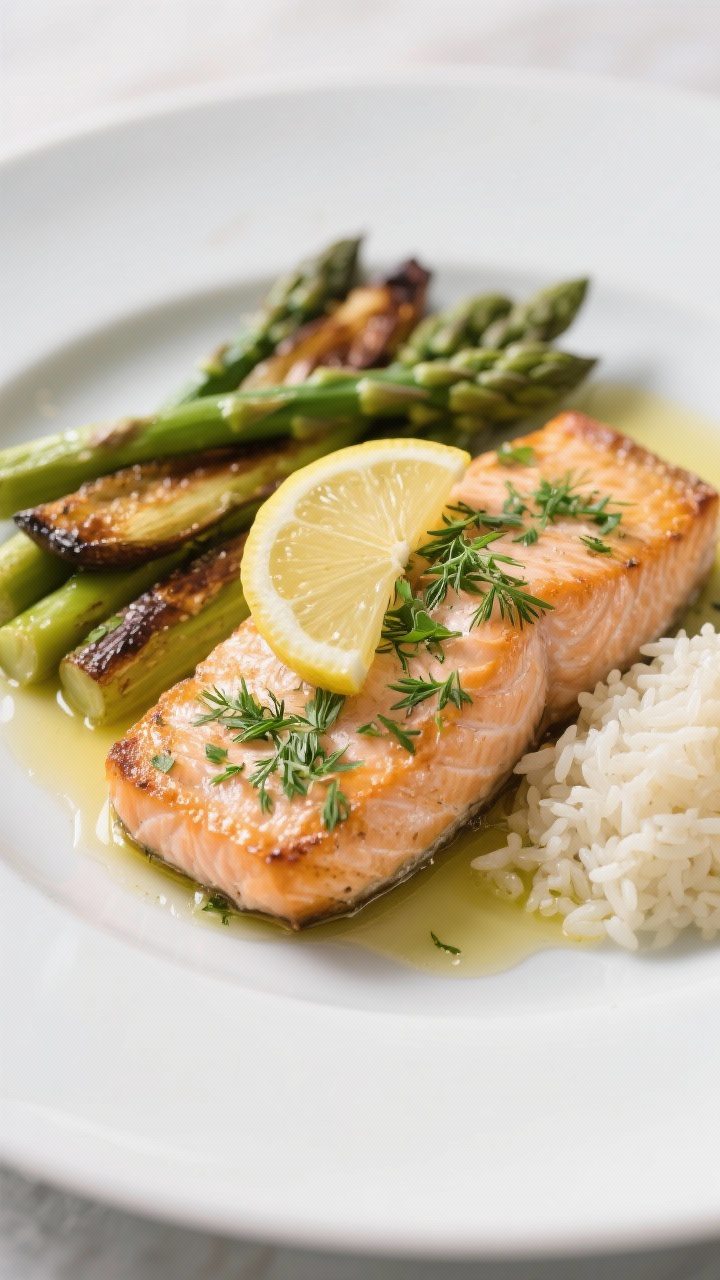
- Serve: Add a final squeeze of lemon and a sprinkle of fresh herbs. Pair with roasted asparagus, a simple arugula salad, or garlicky rice.
What Makes This Recipe So Good
- Fast and easy: From prep to plate in about 25 minutes. Minimal chopping and simple steps.
- Fresh, balanced flavor: Lemon and herbs keep the salmon light and zesty, while a touch of olive oil adds richness.
- Consistently tender: Baking at the right temperature helps the salmon cook evenly and stay juicy.
- Flexible: Works with fresh or frozen salmon, whole fillets or portions, and a variety of herbs.
- Healthy without trying too hard: Packed with protein, omega-3s, and bright flavors that don’t need heavy sauces.
Shopping List
- Salmon fillet (about 1.5 to 2 pounds), skin on or off
- Lemons (2), for slices and juice
- Fresh garlic (3–4 cloves), minced
- Fresh herbs: dill, parsley, and/or thyme (a small handful total)
- Olive oil
- Salt (preferably kosher) and freshly ground black pepper
- Optional: butter (2 tablespoons), capers (1–2 tablespoons), red pepper flakes, or lemon zest
Instructions
- Preheat the oven: Set to 400°F (200°C).
Line a baking sheet with parchment or lightly oil a baking dish to prevent sticking.
- Prep the salmon: Pat the salmon dry with paper towels. Dry fish browns better and releases fewer juices as it bakes.
- Season generously: Place the salmon skin-side down on the sheet. Drizzle with 1–2 tablespoons of olive oil.
Sprinkle with 1–1.5 teaspoons kosher salt and 1/2 teaspoon black pepper. Add minced garlic over the top.
- Add lemon and herbs: Thinly slice one lemon and layer a few slices over the salmon. Squeeze the second lemon over the fillet (about 2–3 tablespoons juice).
Scatter chopped dill, parsley, and thyme across the top.
- Optional richness: Dot the surface with small pieces of butter or add a spoonful of capers for briny pop. A pinch of red pepper flakes adds subtle heat.
- Bake: Cook for 10–14 minutes, depending on thickness. A general rule is about 4–6 minutes per 1/2 inch of thickness.
The salmon is done when it flakes easily with a fork and the center is just turning opaque.
- Check doneness: If you use a thermometer, aim for 125–130°F for tender, medium salmon. It will continue to cook slightly as it rests.
- Rest briefly: Let it sit for 3 minutes. This helps the juices settle and keeps the fish moist.
- Serve: Add a final squeeze of lemon and a sprinkle of fresh herbs.
Pair with roasted asparagus, a simple arugula salad, or garlicky rice.
How to Store
- Refrigerate: Cool completely, then store in an airtight container for up to 3 days.
- Reheat gently: Warm at 275°F (135°C) for 10–12 minutes or until just heated through. You can also flake it cold into salads or grain bowls.
- Freeze: For best texture, enjoy fresh. If needed, wrap tightly and freeze up to 2 months.
Thaw in the fridge overnight and reheat gently to avoid dryness.
Why This is Good for You
- Omega-3 fats: Salmon is rich in EPA and DHA, which support heart and brain health and may help reduce inflammation.
- High-quality protein: Satisfying and helpful for muscle repair and steady energy.
- Light, clean flavors: Lemon and herbs add brightness without heavy sauces, keeping the meal lighter in calories and sodium.
- Simple cooking method: Baking uses minimal oil and avoids charring, while keeping moisture locked in.
Common Mistakes to Avoid
- Overcooking: The most common issue. Pull the salmon when it’s just opaque and flakes easily. Residual heat will finish the job.
- Skipping the dry-off step: Wet fish steams and can turn mushy.
Patting it dry helps texture and flavor.
- Using too much lemon juice upfront: A heavy hand can make the surface soggy. Balance slices on top with a final squeeze before serving.
- Not salting enough: Salmon needs a confident pinch of salt for the flavors to pop. Season evenly across the surface.
- Starting with cold salmon: If possible, let it sit out for 10–15 minutes while the oven heats.
More even cooking, better texture.
Variations You Can Try
- Garlic-Herb Butter: Mix softened butter with garlic, dill, and parsley. Spread over the salmon before baking for a richer finish.
- Mustard and Honey: Whisk 1 tablespoon Dijon with 1 teaspoon honey and 1 teaspoon olive oil. Brush on the salmon, then add lemon slices and herbs.
- Mediterranean: Add cherry tomatoes, olives, capers, and oregano.
Bake as directed and finish with a drizzle of extra-virgin olive oil.
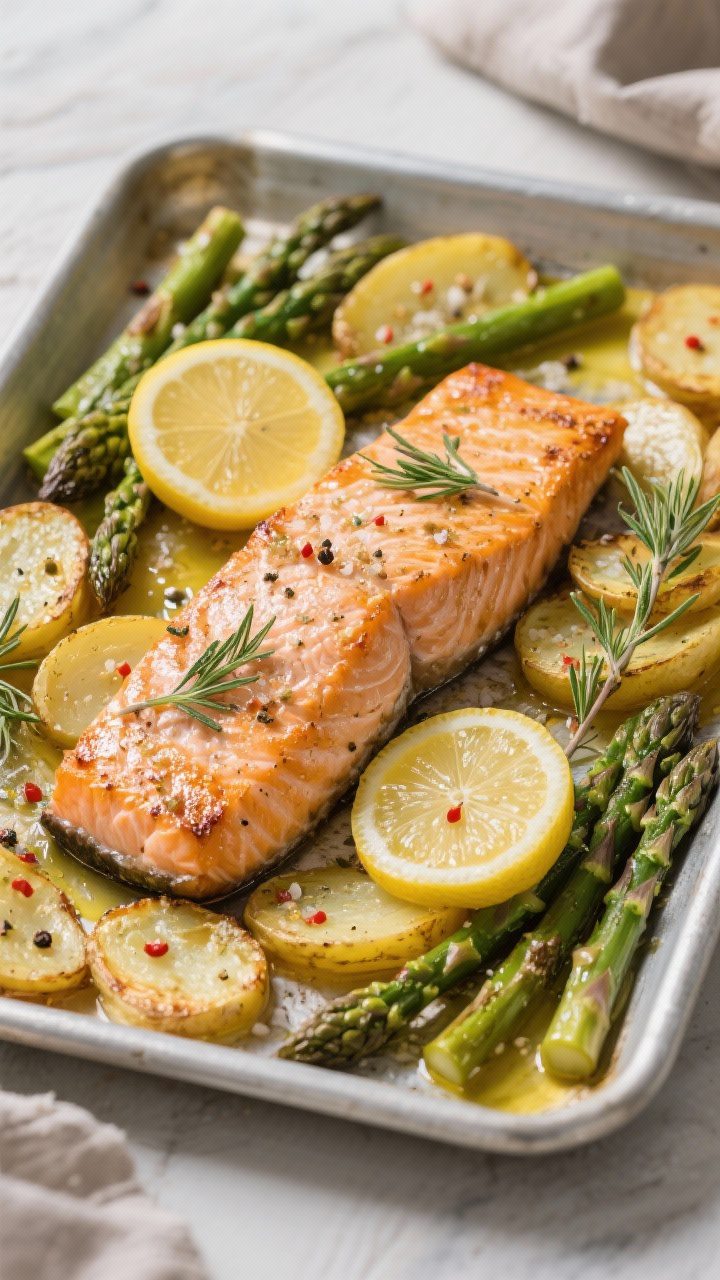
- Sheet Pan Dinner: Surround the salmon with asparagus, zucchini, or thinly sliced potatoes. Toss veggies with olive oil, salt, and pepper. Start the potatoes 10 minutes earlier if using.
- Foil Packets: Wrap individual portions in foil with lemon, herbs, and a splash of white wine.
Great for even cooking and easy cleanup.
- Citrus Swap: Use orange or lime for a different twist. Orange adds sweetness; lime adds tangy brightness.
FAQ
Can I use frozen salmon?
Yes. Thaw it in the refrigerator overnight, then pat dry thoroughly before seasoning.
If you’re short on time, thaw sealed fillets in a bowl of cold water for 30–45 minutes and dry well before baking.
How do I know when the salmon is done without a thermometer?
Look for the flesh to turn opaque and flake easily when pressed with a fork. The center should still look slightly glossy, not dry or chalky. It should separate into moist flakes with gentle pressure.
Should I remove the skin?
You don’t have to.
Baking with the skin on helps hold the fillet together and keeps it moist. After baking, the flesh will easily lift off the skin if you prefer not to eat it.
What herbs work best?
Dill, parsley, and thyme are classic. Chives and tarragon also pair nicely.
Use what you have on hand and keep it fresh for the best flavor.
Can I cook it at a lower temperature?
Yes. Baking at 350°F (175°C) takes a bit longer but offers a slightly gentler cook, which can be helpful for very thick fillets. Start checking around 15–18 minutes.
What should I serve with baked salmon?
Roasted asparagus, green beans, or broccoli are easy wins.
A lemony arugula salad, couscous, quinoa, or steamed rice also pair well and soak up the juices.
How do I prevent a strong fishy smell?
Fresh salmon should smell clean and briny. Use it within a day or two of buying, keep it cold, and add lemon and herbs for freshness. Avoid overcooking, which can intensify odors.
Final Thoughts
Baked Salmon with Lemon and Herbs is a dependable recipe you can make on any busy night.
It’s simple, bright, and adaptable to what you have in the kitchen. With a few fresh ingredients and a hot oven, you’ll get tender, flavorful fish every time. Keep this one in your rotation, and feel free to tweak the herbs and add-ins to make it your own.
Dinner doesn’t need to be complicated to taste great.
Printable Recipe Card
Want just the essential recipe details without scrolling through the article? Get our printable recipe card with just the ingredients and instructions.