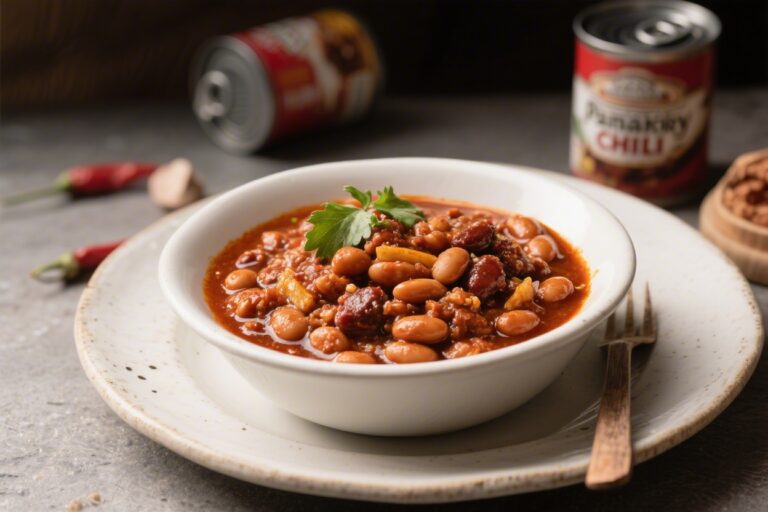
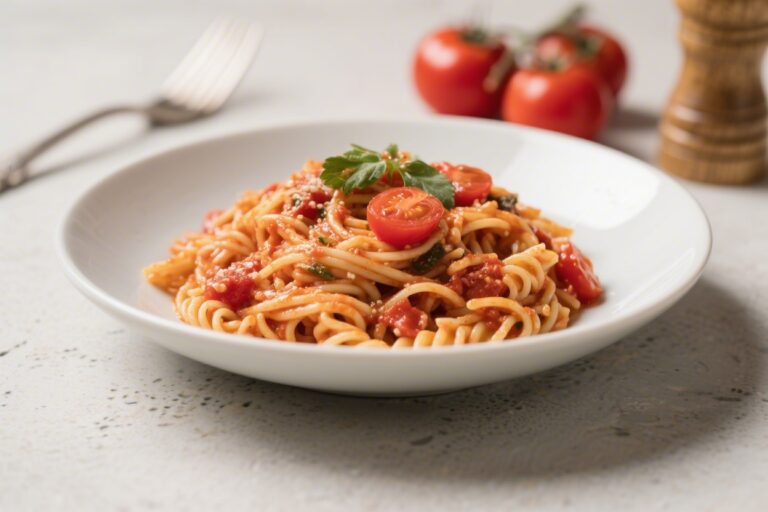
Canned Soup Upgrade (Hearty Meal) – Simple Ways to Make It Taste Homemade
Canned soup can be a real lifesaver on busy nights, but it doesn’t always feel like a full meal. With a few small tweaks, you can turn that basic can into a hearty, satisfying bowl that tastes like you simmered it all afternoon. No fancy skills needed—just smart add-ins and quick cooking.
This approach works with almost any soup: tomato, chicken noodle, vegetable, minestrone, or chili. In 15 minutes, you’ll have a warm, complete meal with better flavor, texture, and nutrition.
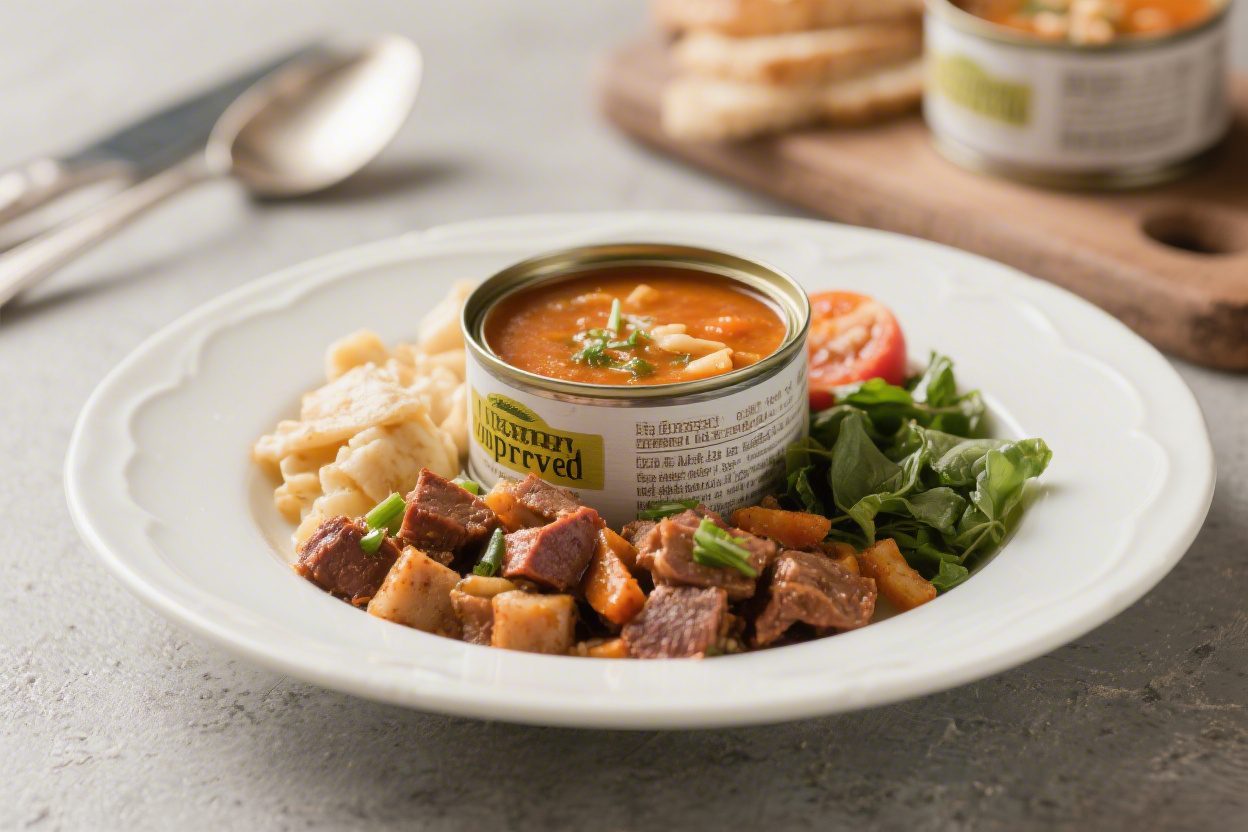
Ingredients
Method
- Sauté the aromatics. Heat the oil or butter in a pot over medium heat. Add onion (or shallots) and cook until softened and lightly golden, 3–4 minutes. Stir in garlic and red pepper flakes and cook 30 seconds, just until fragrant.
- Bloom spices for deeper flavor. Add a pinch of Italian seasoning, thyme, or smoked paprika. Stir for 15–20 seconds to wake up the spices. This step helps the soup taste homemade.
- Add the canned soup. Pour in your soup and stir to combine. If it’s thick, loosen with a splash of broth or water. Bring to a gentle simmer.
- Boost the protein. Stir in cooked chicken, sausage, beans, tofu, or lentils. Simmer 3–5 minutes to warm through. If using raw sausage, brown it in the pot before adding the soup in step 3.
- Load up the veggies. Add quick-cooking or frozen vegetables. Leafy greens like spinach or kale only need 1–2 minutes. Heartier veggies like mushrooms or zucchini may need 5–7 minutes. Don’t overcook; keep them bright and tender.
- Stir in the starch. Fold in cooked rice, small pasta, or diced cooked potatoes. If you’re starting with uncooked pasta, add extra broth and cook until tender according to the package time. Adjust liquid so the soup stays brothy, not dry.
- Season smartly. Taste and add salt and pepper as needed. Canned soups vary—go light until you taste. A pinch of sugar can balance very acidic tomato soups.
- Brighten and enrich. Off the heat, add lemon juice or vinegar for lift. For creaminess, swirl in a bit of cream, coconut milk, yogurt, or grated Parmesan. Start small; you can always add more.
- Finish with fresh herbs. Top with parsley, cilantro, basil, or green onion for a clean, fresh finish. Serve hot with bread, a side salad, or a fried egg on top for extra protein.
Why This Recipe Works
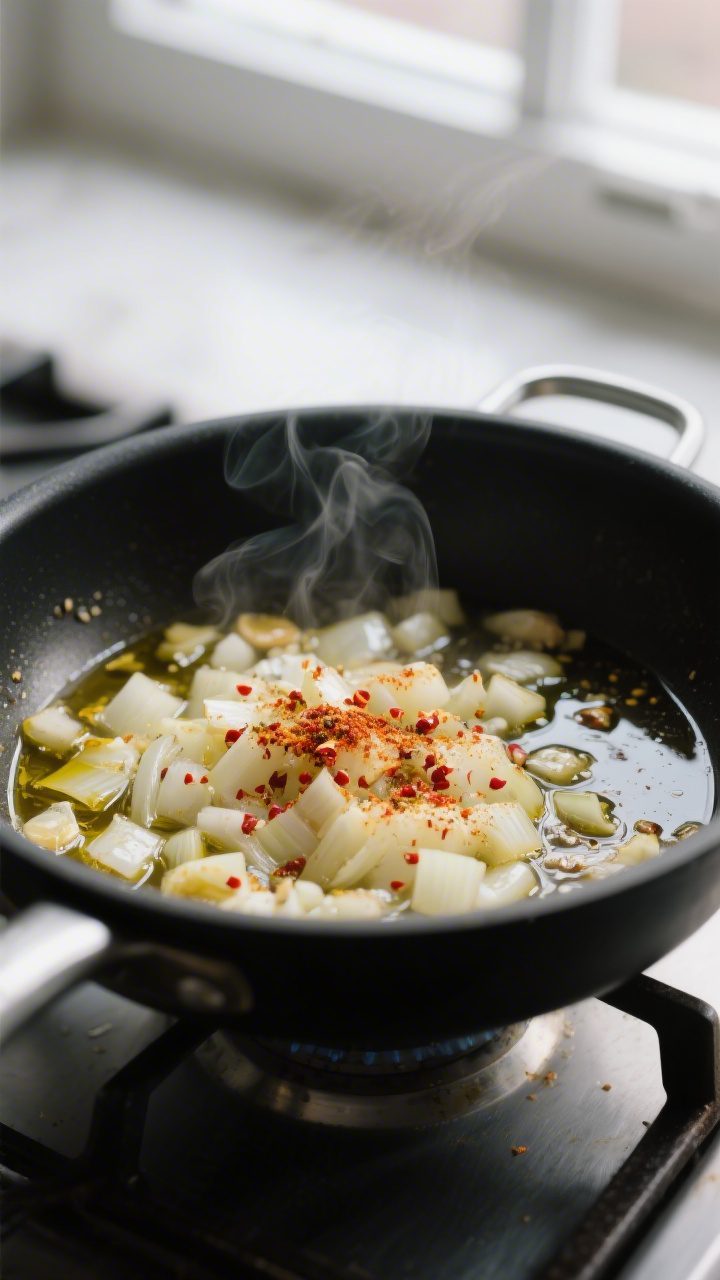
This method layers flavor, texture, and protein to build a more balanced bowl. We start by blooming aromatics in a little fat, which instantly boosts depth and makes the canned base taste richer.
Then we add quick-cooking proteins, vegetables, herbs, and an acid to brighten it up. Finally, we round it out with a starch—like rice, pasta, or potatoes—so it eats like a full dinner. Every step is fast and flexible, so you can mix and match based on what you have.
What You’ll Need
- 1–2 cans of soup (tomato, chicken noodle, vegetable, minestrone, chili, or cream-based)
- Aromatics: 1 small onion or 2 shallots (diced), 2–3 garlic cloves (minced), pinch of red pepper flakes (optional)
- Fat: 1–2 tablespoons olive oil or butter
- Protein: 1 cup cooked chicken, beef, sausage, rotisserie chicken, canned beans, tofu, or lentils
- Veggies: 1–2 cups quick-cooking or frozen vegetables (spinach, kale, peas, corn, carrots, bell pepper, mushrooms, zucchini)
- Starch: 1–2 cups cooked rice, small pasta (like ditalini or orzo), potatoes, or crusty bread on the side
- Seasoning: salt, black pepper, Italian seasoning or dried thyme, smoked paprika (optional)
- Liquid: broth or water to thin, if needed
- Acid: 1–2 teaspoons lemon juice or a splash of vinegar (red wine, sherry, or apple cider)
- Fresh finishers: chopped parsley, cilantro, green onion, basil, or dill
- Creamy finishers (optional): 2–3 tablespoons cream, half-and-half, coconut milk, grated Parmesan, or a spoon of yogurt
Step-by-Step Instructions
- Sauté the aromatics. Heat the oil or butter in a pot over medium heat.
Add onion (or shallots) and cook until softened and lightly golden, 3–4 minutes. Stir in garlic and red pepper flakes and cook 30 seconds, just until fragrant.
- Bloom spices for deeper flavor. Add a pinch of Italian seasoning, thyme, or smoked paprika. Stir for 15–20 seconds to wake up the spices.
This step helps the soup taste homemade.
- Add the canned soup. Pour in your soup and stir to combine. If it’s thick, loosen with a splash of broth or water. Bring to a gentle simmer.
- Boost the protein. Stir in cooked chicken, sausage, beans, tofu, or lentils.
Simmer 3–5 minutes to warm through. If using raw sausage, brown it in the pot before adding the soup in step 3.
- Load up the veggies. Add quick-cooking or frozen vegetables. Leafy greens like spinach or kale only need 1–2 minutes.
Heartier veggies like mushrooms or zucchini may need 5–7 minutes. Don’t overcook; keep them bright and tender.
- Stir in the starch. Fold in cooked rice, small pasta, or diced cooked potatoes. If you’re starting with uncooked pasta, add extra broth and cook until tender according to the package time.
Adjust liquid so the soup stays brothy, not dry.
- Season smartly. Taste and add salt and pepper as needed. Canned soups vary—go light until you taste. A pinch of sugar can balance very acidic tomato soups.
- Brighten and enrich. Off the heat, add lemon juice or vinegar for lift.
For creaminess, swirl in a bit of cream, coconut milk, yogurt, or grated Parmesan. Start small; you can always add more.
- Finish with fresh herbs. Top with parsley, cilantro, basil, or green onion for a clean, fresh finish. Serve hot with bread, a side salad, or a fried egg on top for extra protein.
Keeping It Fresh
Store leftovers in an airtight container in the fridge for 3–4 days.
Starches soak up liquid, so you may need to add a splash of broth or water when reheating. Warm gently on the stove over medium-low heat to avoid breaking dairy or overcooking vegetables. If you plan ahead, store cooked starches separately and add them when reheating to keep the texture just right.
Most upgraded soups also freeze well for up to 2 months, especially broth-based ones.

Benefits of This Recipe
- Fast and flexible: Ready in 15 minutes with pantry and freezer staples.
- Budget-friendly: Uses affordable add-ins like beans, rice, and frozen vegetables.
- Balanced meal: Protein, veggies, and starch turn a light soup into a full dinner.
- Less waste: Great for using leftover rotisserie chicken, cooked grains, or odds-and-ends produce.
- Customizable nutrition: Easy to make higher-protein, more fiber-rich, or dairy-free.
What Not to Do
- Don’t dump and boil hard. A rolling boil can make meat tough, pasta mushy, and dairy split. Simmer gently.
- Don’t over-salt early. Canned soups are often salty. Season after you add proteins and starches.
- Don’t overcook vegetables. Add greens at the end and keep veggies slightly crisp for better texture.
- Don’t skip acid. A small splash of lemon juice or vinegar brightens everything and fixes flat flavors.
- Don’t overcrowd with too many add-ins. Aim for balance—soup should still be spoonable, not a casserole.
Variations You Can Try
- Tomato Basil Upgrade: Start with tomato soup.
Sauté garlic in olive oil, add crushed red pepper, then stir in the soup with a splash of broth. Add a handful of torn basil, a spoon of cream, and grated Parmesan. Top with croutons.
- Chicken Veggie Power Bowl: Use chicken noodle or chicken rice soup.
Add sautéed mushrooms, frozen peas, and baby spinach. Stir in shredded rotisserie chicken and finish with lemon and dill.
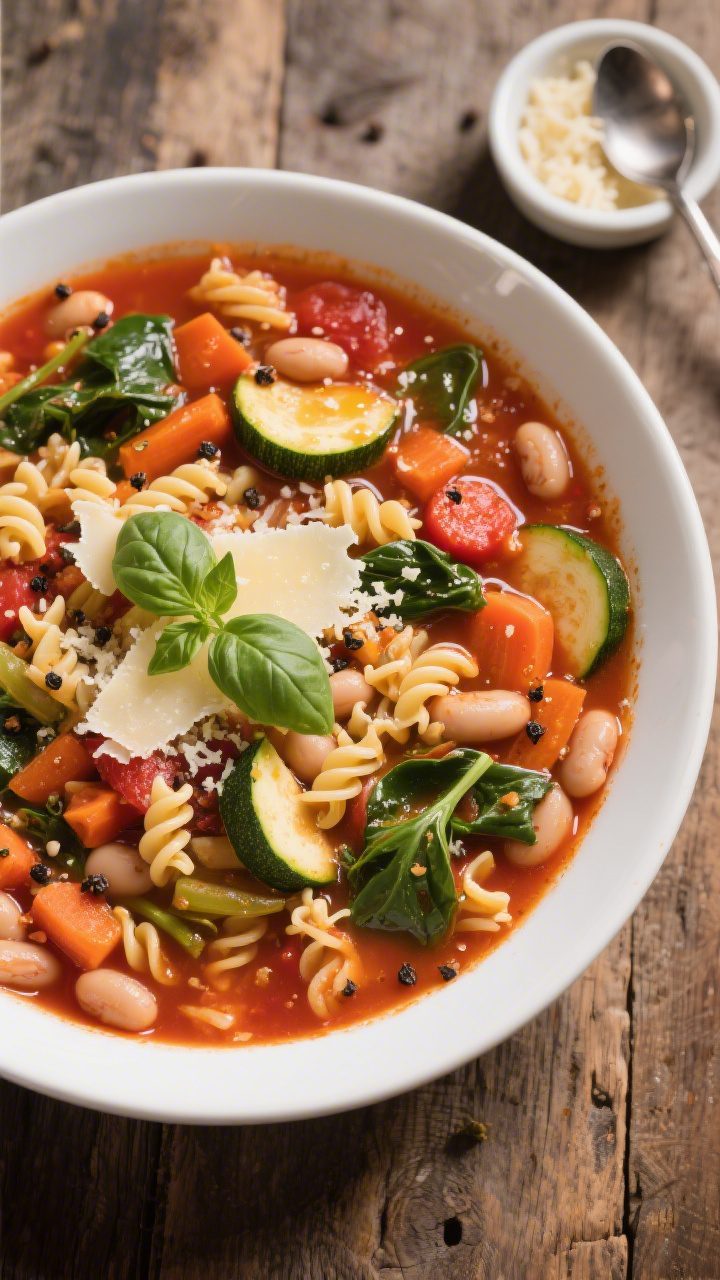
- Hearty Minestrone Plus: Boost canned minestrone with canned beans, zucchini, and a handful of small pasta. Season with Italian herbs and top with Parmesan and olive oil.
- Smoky Bean and Sausage: Start with bean or vegetable soup.
Brown sliced smoked sausage, add smoked paprika, then pour in the soup. Add kale and finish with apple cider vinegar.
- Creamy Corn Chowder Hack: Use corn or potato chowder. Sauté diced bacon or turkey bacon, add onions and celery, then the soup.
Stir in extra corn, a splash of milk or cream, and chives.
- Spicy Tortilla-Style: Use chicken or tomato soup. Add cumin, chili powder, black beans, and corn. Finish with lime juice, cilantro, crushed tortilla chips, and a dollop of yogurt or sour cream.
- Vegetarian Green Boost: Start with vegetable soup.
Add chickpeas, spinach, and pesto at the end. Finish with lemon and a drizzle of olive oil.
FAQ
Can I make this gluten-free?
Yes. Use gluten-free canned soup or check labels.
Choose rice, potatoes, or gluten-free pasta for the starch. Most beans, veggies, and proteins are naturally gluten-free.
What’s the best protein to add?
Rotisserie chicken and canned beans are the fastest options. Cooked sausage adds big flavor quickly.
For plant-based, try tofu cubes, lentils, or edamame. Use what matches your base soup.
How do I avoid a salty result?
Pick low-sodium soup or broth when you can. Add unsalted beans, plain cooked grains, or extra vegetables to dilute saltiness.
Always taste before adding more salt, and use acid to balance.
Can I add raw pasta or rice directly?
You can, but you’ll need extra liquid and a longer simmer. For pasta, add 1–2 extra cups of broth and cook until al dente. For rice, it’s better to use cooked rice to keep things quick and prevent over-thickening.
How do I keep dairy from curdling?
Lower the heat before adding cream, milk, or yogurt.
Temper yogurt by stirring in a little warm soup first, then add it back. Avoid boiling after dairy goes in.
What if my soup turned too thick?
Stir in warm broth or water, a little at a time, until it loosens to your liking. Adjust seasoning afterward and add a fresh splash of lemon to brighten it up.
Can I meal prep this?
Yes, but store the soup and starch separately if possible.
Reheat the soup gently, then add rice or pasta just before serving to keep the texture from getting mushy.
Do I need to sauté aromatics every time?
No, but it makes a big difference. If you’re truly in a rush, at least add a pinch of dried herbs, a splash of acid, and a fresh herb on top to lift the flavor.
Wrapping Up
With a few pantry staples and smart add-ins, any can of soup can become a filling, flavorful meal. Sauté some aromatics, add protein and veggies, round it out with starch, and finish with acid and herbs.
It’s fast, budget-friendly, and endlessly customizable. Keep these steps in mind, and weeknight comfort food is always within reach.
Printable Recipe Card
Want just the essential recipe details without scrolling through the article? Get our printable recipe card with just the ingredients and instructions.