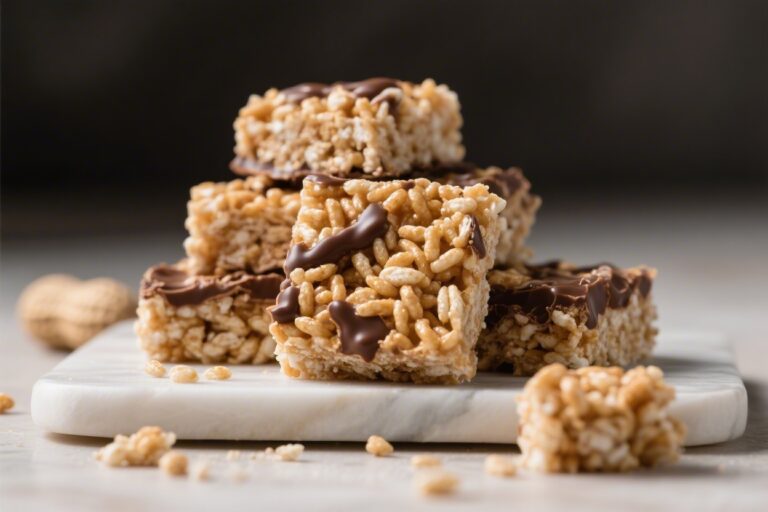
Creamy Rice Pudding (Stovetop) – Cozy, Comforting, and Simple
There’s something timeless about a pot of warm, creamy rice pudding. It’s the kind of dessert that feels like a hug—soft, soothing, and just sweet enough. This stovetop version is easy to make with pantry staples, and it turns out rich and silky without much fuss.
You can serve it warm for comfort or chill it for a cool, custard-like treat. Either way, it’s a bowl you’ll come back to again and again.
Ingredients
Method
- Rinse the rice (optional but helpful): Rinse the rice under cool water until it runs mostly clear. This removes excess surface starch so the pudding thickens smoothly without getting gummy.
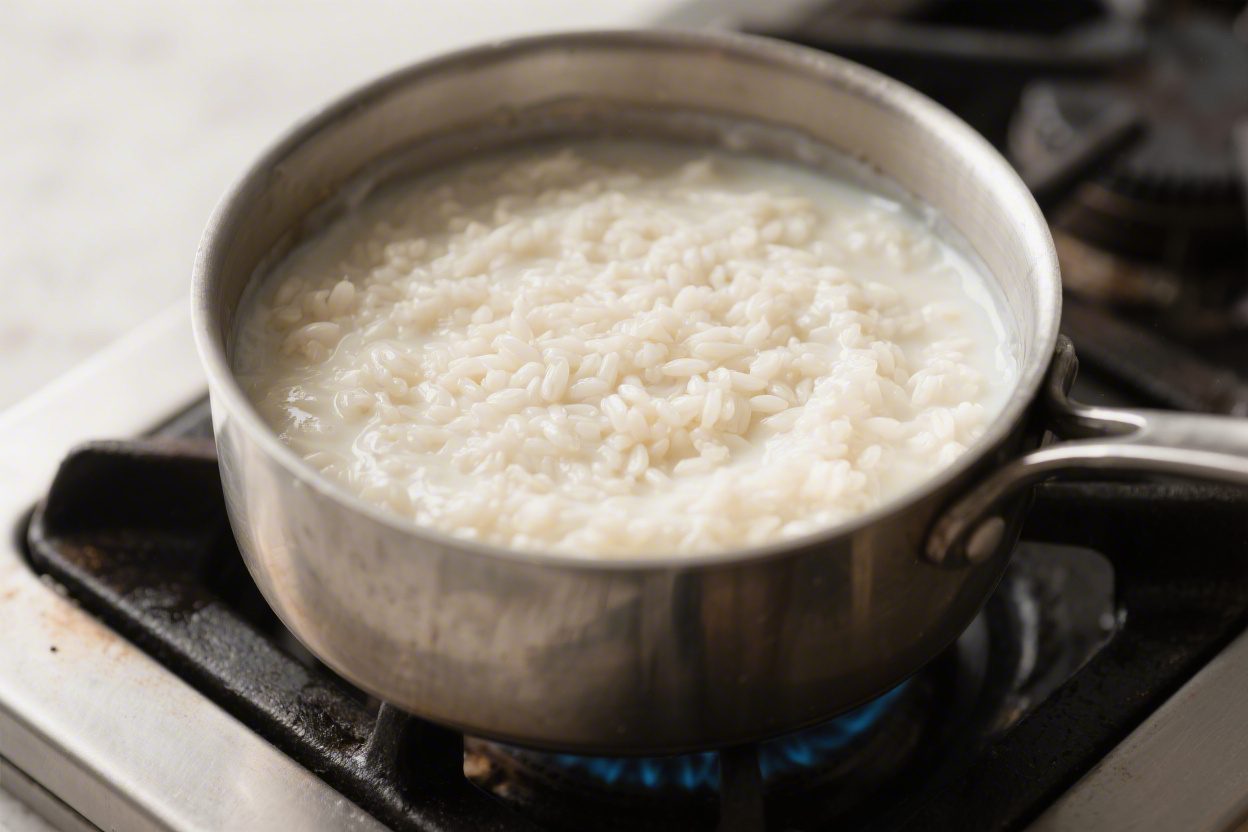
- Combine base ingredients: In a heavy-bottomed saucepan, add the rice, milk, and half-and-half (or cream). Stir in the salt and, if using, a cinnamon stick. Bring to a gentle simmer over medium heat, stirring often to prevent sticking.
- Lower the heat and cook slowly: Once it reaches a simmer, reduce the heat to low. Cook uncovered, stirring every few minutes, for 25–35 minutes. Keep the mixture at a gentle burble, not a boil. The rice should soften and the liquid will noticeably thicken.
- Add sweetener and flavor: Stir in the sugar, ground cinnamon (if you didn’t use a stick), nutmeg, and vanilla. If using raisins, add them now so they plump as the pudding finishes. Continue cooking 5–10 more minutes, stirring often, until the rice is tender and the mixture is creamy.
- Adjust texture: The pudding should be loose and saucy; it will thicken as it cools. If it’s too thick on the stove, stir in a splash of warm milk. If it’s too thin, keep simmering a few more minutes.
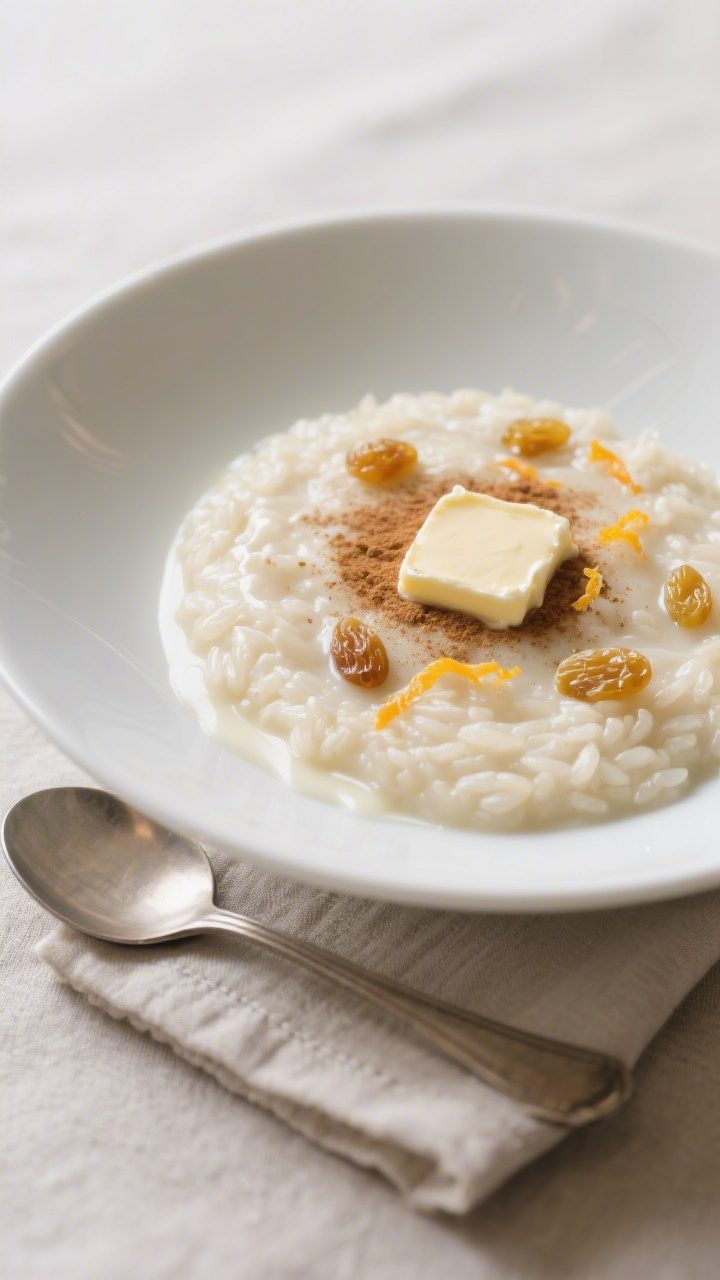
- Finish with richness: Off the heat, stir in the butter and any citrus zest. Taste and adjust sugar, salt, or vanilla as needed.
- Serve: Spoon into bowls and enjoy warm, or let it cool to room temperature and chill. Sprinkle with a little extra cinnamon or a drizzle of cream if you like.
What Makes This Special
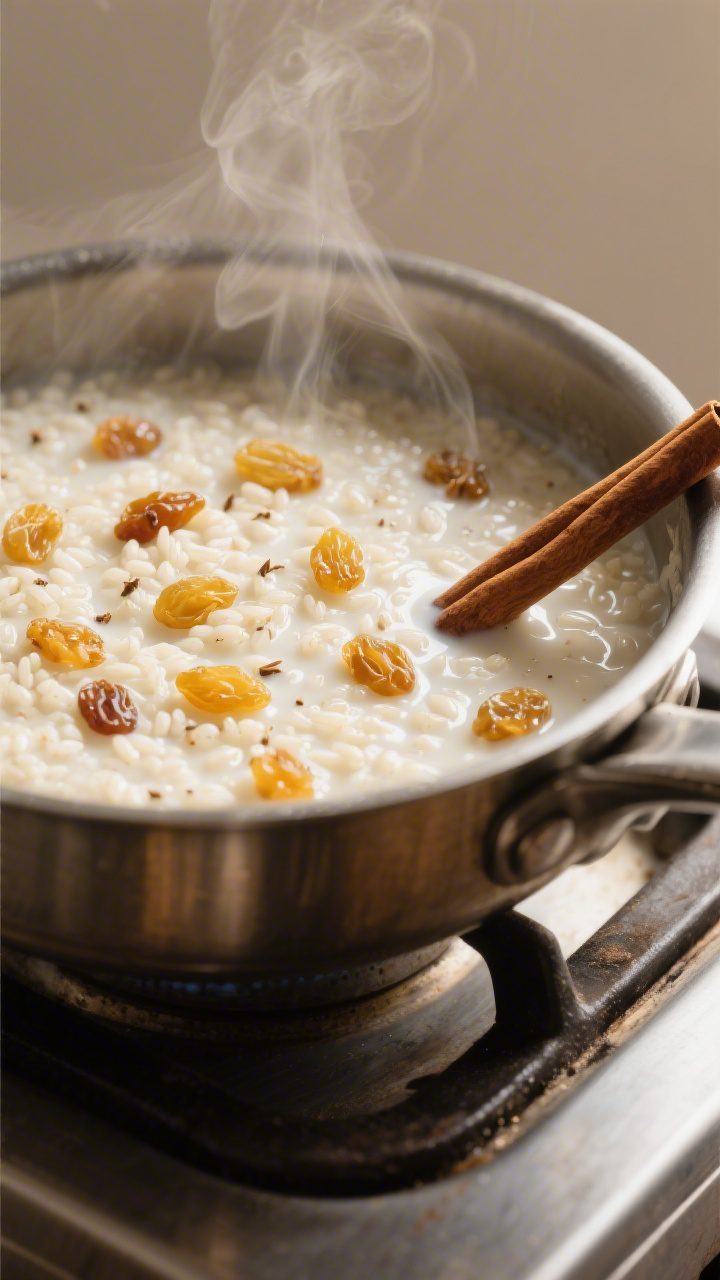
This rice pudding cooks low and slow on the stovetop, so the grains release their starch and naturally thicken the milk. No eggs are needed to get that lush, velvety texture.
The flavor is simple and classic—vanilla, a hint of cinnamon, and just the right amount of sweetness.
It’s also flexible. You can use different milks, adjust the sweetness, or add citrus, nuts, or raisins. It’s a forgiving recipe that suits weeknights, holidays, and everything in between.
Best of all, it reheats beautifully.
Add a splash of milk and it tastes freshly made, which makes it perfect for make-ahead desserts or breakfast.
Ingredients
- 3/4 cup short-grain white rice (Arborio or pudding rice works best)
- 3 cups whole milk (plus more as needed to adjust thickness)
- 1 cup half-and-half or heavy cream (for extra creaminess; use milk for lighter)
- 1/3–1/2 cup granulated sugar (adjust to taste)
- 1/4 teaspoon fine sea salt
- 1 teaspoon pure vanilla extract
- 1/2 teaspoon ground cinnamon (optional; or 1 cinnamon stick)
- 1/4 teaspoon ground nutmeg (optional)
- 2–3 tablespoons unsalted butter (optional, for a richer finish)
- 1/2 cup raisins or golden raisins (optional; or chopped dates)
- Freshly grated citrus zest (lemon or orange; optional for brightness)
Instructions
- Rinse the rice (optional but helpful): Rinse the rice under cool water until it runs mostly clear. This removes excess surface starch so the pudding thickens smoothly without getting gummy.
- Combine base ingredients: In a heavy-bottomed saucepan, add the rice, milk, and half-and-half (or cream). Stir in the salt and, if using, a cinnamon stick.
Bring to a gentle simmer over medium heat, stirring often to prevent sticking.
- Lower the heat and cook slowly: Once it reaches a simmer, reduce the heat to low. Cook uncovered, stirring every few minutes, for 25–35 minutes. Keep the mixture at a gentle burble, not a boil.
The rice should soften and the liquid will noticeably thicken.
- Add sweetener and flavor: Stir in the sugar, ground cinnamon (if you didn’t use a stick), nutmeg, and vanilla. If using raisins, add them now so they plump as the pudding finishes. Continue cooking 5–10 more minutes, stirring often, until the rice is tender and the mixture is creamy.
- Adjust texture: The pudding should be loose and saucy; it will thicken as it cools.
If it’s too thick on the stove, stir in a splash of warm milk. If it’s too thin, keep simmering a few more minutes.
- Finish with richness: Off the heat, stir in the butter and any citrus zest. Taste and adjust sugar, salt, or vanilla as needed.
- Serve: Spoon into bowls and enjoy warm, or let it cool to room temperature and chill.
Sprinkle with a little extra cinnamon or a drizzle of cream if you like.
How to Store
- Refrigerator: Store in an airtight container for up to 4 days. It thickens in the fridge, so stir in a bit of milk when reheating to loosen it.
- Reheating: Warm gently on the stovetop over low heat or in short bursts in the microwave, stirring and adding milk as needed. Avoid boiling—it can split.
- Freezer: Not ideal.
The texture can become grainy. If you must, freeze up to 1 month and thaw slowly in the fridge, then reheat with added milk and a quick whisk.
Health Benefits
- Comfort carbs: Rice offers steady energy and is easy on the stomach, making this dessert soothing and satisfying.
- Protein and calcium: Dairy adds protein and bone-friendly calcium. Using milk instead of cream lightens the fat while keeping nutrients.
- Customizable sweetness: You control the sugar level.
You can also use maple syrup or honey for a different flavor profile.
- Gluten-free friendly: Rice pudding is naturally gluten-free when all ingredients are verified gluten-free.
Pitfalls to Watch Out For
- Scorching: Milk can burn quickly. Use a heavy pot, keep the heat low, and stir frequently, especially near the end.
- Overthickening: It firms up as it cools. Keep it a bit looser on the stove than you want in the bowl, and have extra milk ready to adjust.
- Undercooked rice: Taste a grain.
It should be tender with a gentle bite, not crunchy. If it’s firm, keep cooking with small splashes of milk.
- Too sweet too soon: Sugar can slow rice softening slightly. If you’re short on time, wait until the rice is nearly tender before adding sugar.
- Boiling hard: A rolling boil can cause curdling and uneven cooking.
Keep it at a calm simmer.
Variations You Can Try
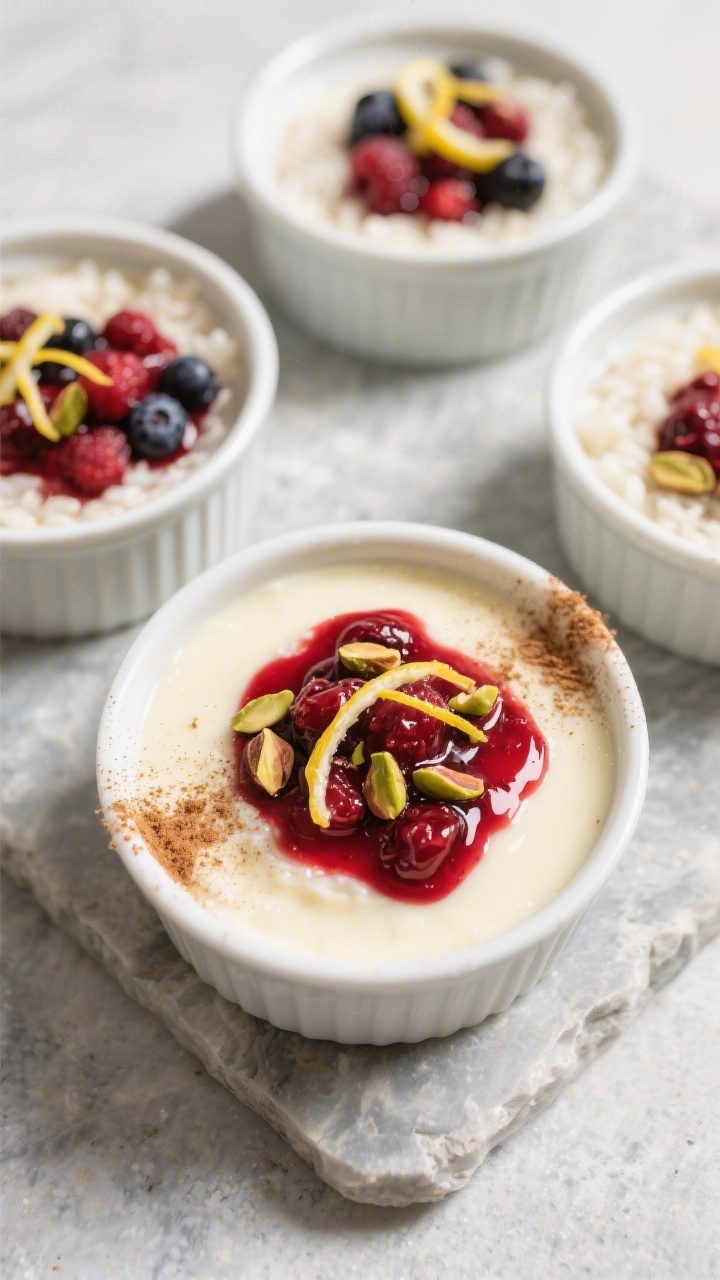
- Coconut Cardamom: Replace half the milk with full-fat coconut milk. Add 1/2 teaspoon ground cardamom and chopped pistachios on top.
- Orange Blossom: Stir in 1–2 teaspoons orange blossom water at the end and garnish with orange zest and almonds.
- Chocolate Swirl: Off heat, whisk in 3 ounces chopped dark chocolate until melted. Add a pinch of espresso powder for depth.
- Berry Compote: Top with a quick stovetop compote of mixed berries, lemon juice, and a little sugar.
Serve chilled.
- Brown Sugar & Maple: Swap part of the sugar for brown sugar or maple syrup. Finish with a pat of butter and a dusting of cinnamon.
- Dairy-Free: Use a combo of almond milk and coconut milk. Add 1–2 teaspoons cornstarch slurry near the end if you want extra body.
- Eggy Custard Style: For an even richer version, whisk 2 beaten egg yolks with 1/2 cup hot pudding, then stir back into the pot off heat.
Do this carefully to avoid scrambling.
FAQ
What kind of rice is best for rice pudding?
Short-grain white rice like Arborio is ideal because it releases more starch, giving the pudding a naturally creamy texture. Medium-grain works well too. Long-grain can be used, but it won’t be as lush.
Can I use leftover cooked rice?
Yes.
Use about 2 to 2 1/2 cups cooked rice and reduce the initial simmer time. Start with less milk, then add more as needed. The texture will be slightly different but still tasty.
Why did my pudding turn grainy?
It may have boiled too hard or cooked too fast.
Dairy can curdle at high heat, and rice needs time to release starch. Keep it at a gentle simmer and stir often. If it’s already grainy, whisk in a splash of cream and let it rest off heat.
How sweet should rice pudding be?
It should be pleasantly sweet but not cloying.
Start with 1/3 cup sugar and add more to taste near the end. Remember it tastes slightly less sweet when chilled.
Can I make this ahead?
Absolutely. Make it a day in advance, cool, and refrigerate.
When serving, reheat gently with extra milk or serve cold. Stir well to bring back its creaminess.
Is it safe to leave rice pudding out?
No. Because it contains dairy and cooked rice, it should not sit at room temperature for more than 2 hours.
Refrigerate promptly.
How do I keep raisins from getting too mushy?
Add them in the last 5–10 minutes of cooking or soak them in warm water or rum first, then fold in just before serving for a plumper bite.
What if I don’t have vanilla extract?
Use a vanilla bean or vanilla paste, or try almond extract for a different twist. A strip of lemon peel simmered with the milk also adds lovely fragrance.
Can I reduce the fat?
Yes. Use all milk and skip the butter and cream.
It will still be creamy if you cook it slowly, though slightly less rich. You can also use 2% milk with good results.
How do I fix pudding that’s too thick after chilling?
Stir in cold milk a little at a time until it loosens to your liking. For best texture, let it sit 5 minutes and stir again before serving.
Final Thoughts
This stovetop rice pudding is all about gentle heat, simple ingredients, and a little patience.
The payoff is a bowl of creamy comfort you can dress up or keep classic. Whether you serve it warm with a sprinkle of cinnamon or cold with bright citrus, it’s a reliable, soothing dessert that always feels like home.
Printable Recipe Card
Want just the essential recipe details without scrolling through the article? Get our printable recipe card with just the ingredients and instructions.