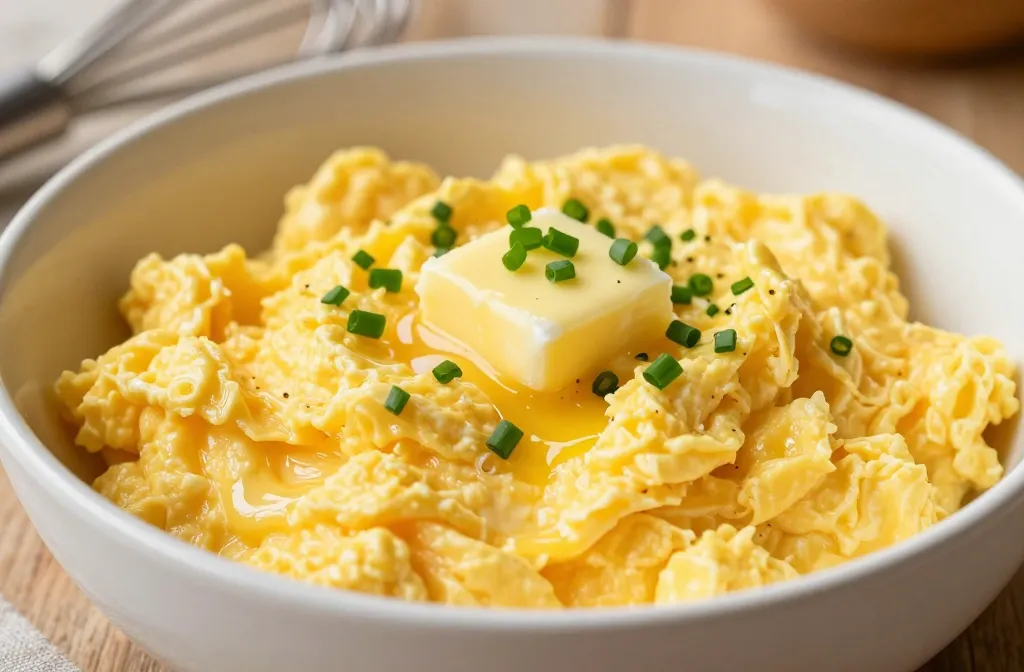
Fluffy Scrambled Eggs (Creamy & Easy) Like a Pro Chef
Ever had scrambled eggs that taste like rubber? Yeah, me too—and it’s tragic. But guess what? Fluffy, creamy scrambled eggs aren’t some Michelin-star secret. They’re stupidly easy to make if you ditch the bad habits (looking at you, high heat and over-stirring). Let’s fix your egg game forever.
The Golden Rules of Fluffy Scrambled Eggs

First, forget everything your overcooked childhood breakfast taught you. Fluffy scrambled eggs rely on three non-negotiable rules:
- Low and slow heat: High heat = tough, dry eggs. Patience is key.
- Butter (or bust): Margarine haters, back off. Butter adds richness and prevents sticking.
- Gentle stirring: You’re not whisking concrete. Soft folds = creamy curds.
Break these rules, and you’ll get sad, crumbly eggs. Follow them, and you’ll question every diner scramble you’ve ever suffered through.
Ingredients: Less Is More (But Butter Is Mandatory)

Some chefs swear by adding milk, cream, or even water. IMO? Keep it simple:
- Eggs: Fresh ones taste better, but store-bought work fine.
- Butter: Salted or unsalted—just use it.
- Salt: Add it during cooking, not after. Trust me.
FYI, cream/milk can dilute flavor. Want extra richness? Add a dollop of crème fraîche after cooking. Game-changer.
Step-by-Step: How to Not Ruin Your Eggs

Here’s the foolproof method—no fancy tools required:
- Whisk eggs lightly: Just enough to blend yolks and whites. Over-whipping = dense eggs.
- Melt butter in a cold pan: Low heat, then add eggs once the butter foams.
- Stir like you mean it (but not too much): Push the curds gently with a spatula. Let the wet parts flow.
- Pull off heat early: Eggs keep cooking off the stove. Stop when they’re almost done.
Pro Tip: The French “Omelette” Stir
For next-level creaminess, use a small spatula to make tiny, continuous circles in the pan. It creates delicate curds—like the French do. Feels fancy, takes zero extra effort.
Common Mistakes (And How to Avoid Them)

Even seasoned cooks mess this up. Here’s what not to do:
- Using a nonstick pan on high heat: Toxic fumes + burnt eggs. Just… don’t.
- Adding salt too late: Salting after cooking draws out moisture. Do it while whisking.
- Ignoring carryover cooking: Your eggs will firm up off the heat. Underdo them slightly.
Fluffy Egg Upgrades (Because Why Not?)
Once you’ve mastered the basics, go wild:
- Cheese: Fold in grated cheddar or goat cheese at the end.
- Herbs: Chives, parsley, or dill add freshness.
- Truffle oil: A drop or two makes it feel luxe (but don’t drown them).
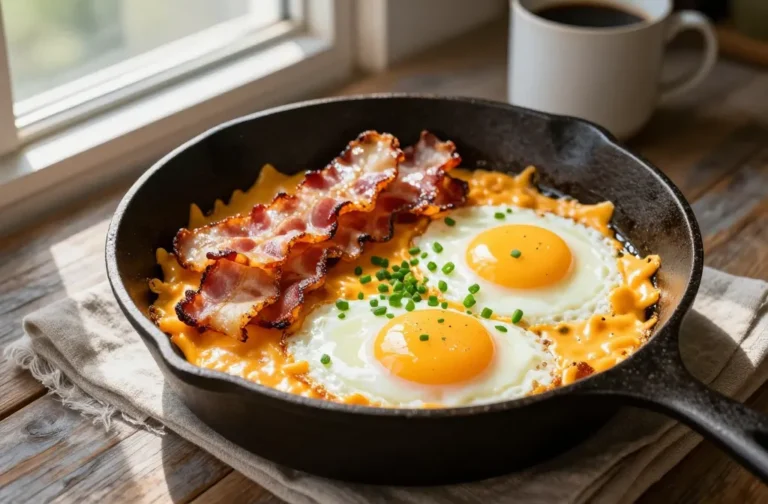
Or—hear me out—top with crispy bacon bits and call it breakfast heaven.
FAQ: Your Egg Questions, Answered
Why do my scrambled eggs turn gray?
Overcooking or using old eggs. Gray eggs are a cry for help—lower your heat and check the fridge date.
Can I use olive oil instead of butter?
Sure, but the flavor and texture won’t be as rich. Butter’s the MVP here.
How do I make scrambled eggs for a crowd?
Cook in batches or use a double boiler. Bulk cooking = uneven heat = rubbery mess.
Why do chefs add water to scrambled eggs?
Steam creates fluffiness, but too much waters them down. I prefer butter’s richness.
Do I need a nonstick pan?
Helpful, but not essential. A well-seasoned cast iron or stainless steel + butter works too.
What’s the best bread to serve with scrambled eggs?
Buttered toast, sourdough, or a flaky croissant. Stale bagels need not apply.
Go Forth and Scramble Like a Pro
There you have it—creamy, fluffy scrambled eggs without the stress. Ditch the high heat, embrace the butter, and never suffer through dry eggs again. Now go forth and conquer breakfast like the egg whisperer you were meant to be.