High-Protein Chicken Stir Fry – Quick, Flavorful, and Satisfying
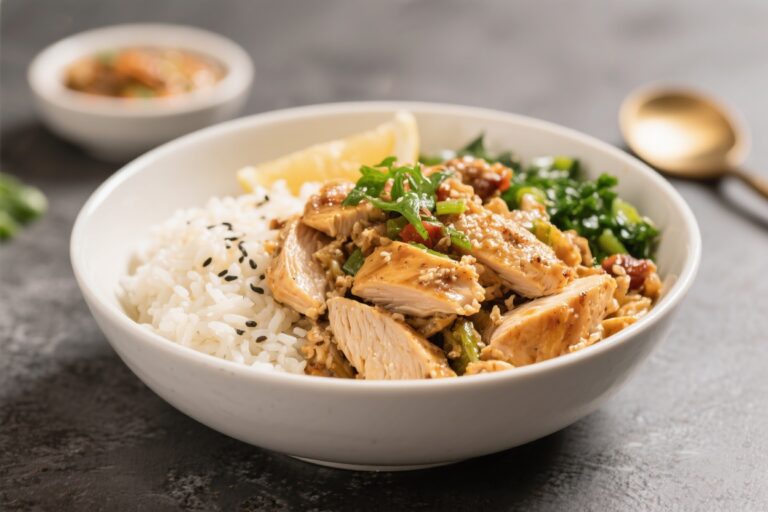
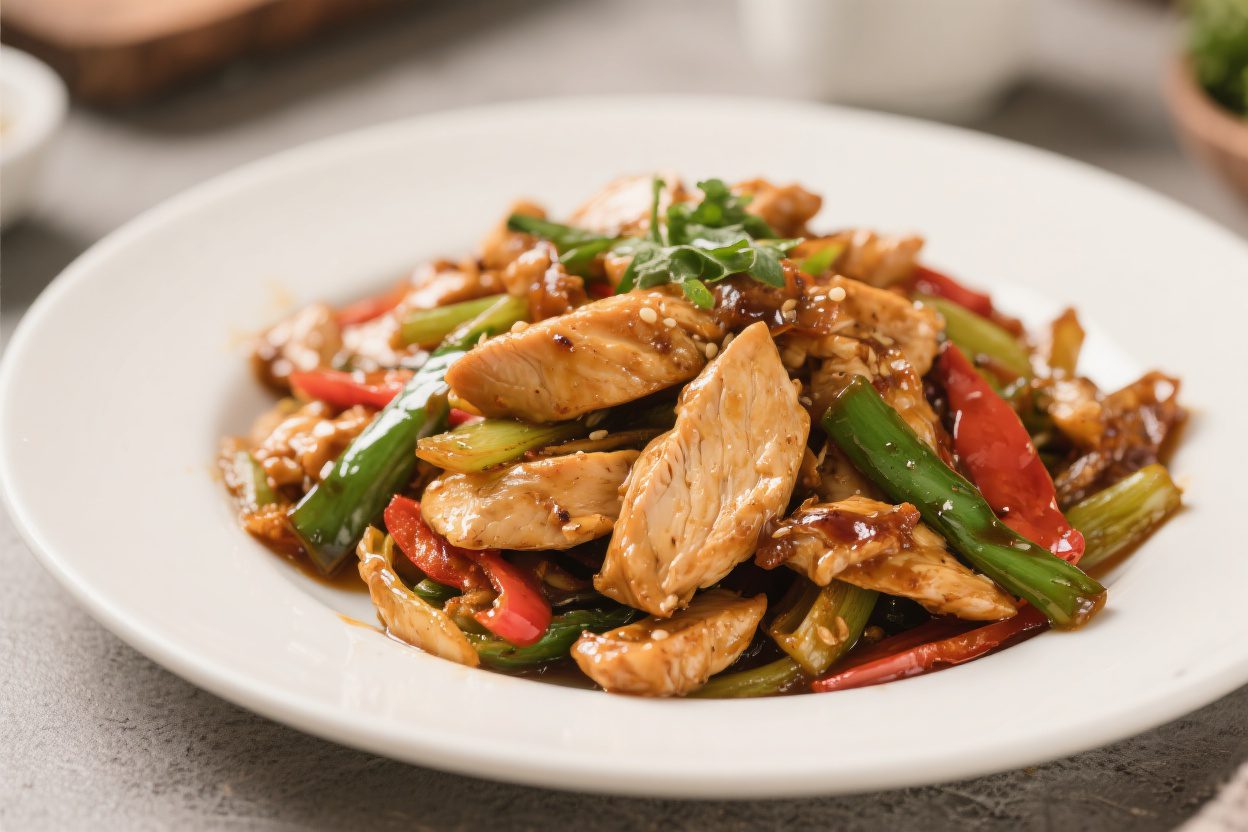
This High-Protein Chicken Stir Fry is the kind of weeknight meal you keep coming back to. It comes together fast, packs a big protein punch, and uses simple ingredients you probably already have. The flavors are bold but balanced: savory, slightly sweet, and a little garlicky.
It’s also flexible, so you can swap in your favorite veggies or adjust the sauce to your taste. If you want a meal that feels hearty without being heavy, this is it.
Ingredients
Method
- Prep the chicken. Pat the chicken dry and slice it thinly against the grain. Toss with 1.5 tablespoons cornstarch and a pinch of salt. This helps with browning and keeps the meat tender.
- Whisk the sauce. In a bowl, combine soy sauce, rice vinegar, honey, oyster sauce, sesame oil, broth, cornstarch, and optional heat. Whisk until smooth. Set aside.
- Heat the pan. Set a large skillet or wok over medium-high heat. Add 1 tablespoon oil and swirl to coat. You want the pan hot before the chicken hits it.
- Cook the chicken in batches. Add half the chicken in a single layer. Let it sear undisturbed for 2 minutes, then stir and cook until just cooked through, about 4–5 minutes total. Remove to a plate. Repeat with remaining chicken, adding a bit more oil if needed.
- Sauté aromatics. Lower heat to medium. Add a small drizzle of oil, then garlic and ginger. Stir for 30 seconds until fragrant. Don’t let them burn.
- Stir fry the vegetables. Add broccoli and carrots first and cook for 2–3 minutes. Add bell peppers and peas. Stir fry another 2–3 minutes until crisp-tender. You want bright color and a bit of bite.
- Combine chicken and sauce. Return the chicken and any juices to the pan. Whisk the sauce again (cornstarch settles), then pour it in. Stir and let it bubble for 1–2 minutes until glossy and slightly thickened.
- Finish and taste. Toss in green onions. Taste and adjust: add a splash more soy for salt, honey for sweetness, or vinegar for brightness. If too thick, loosen with a bit of water.
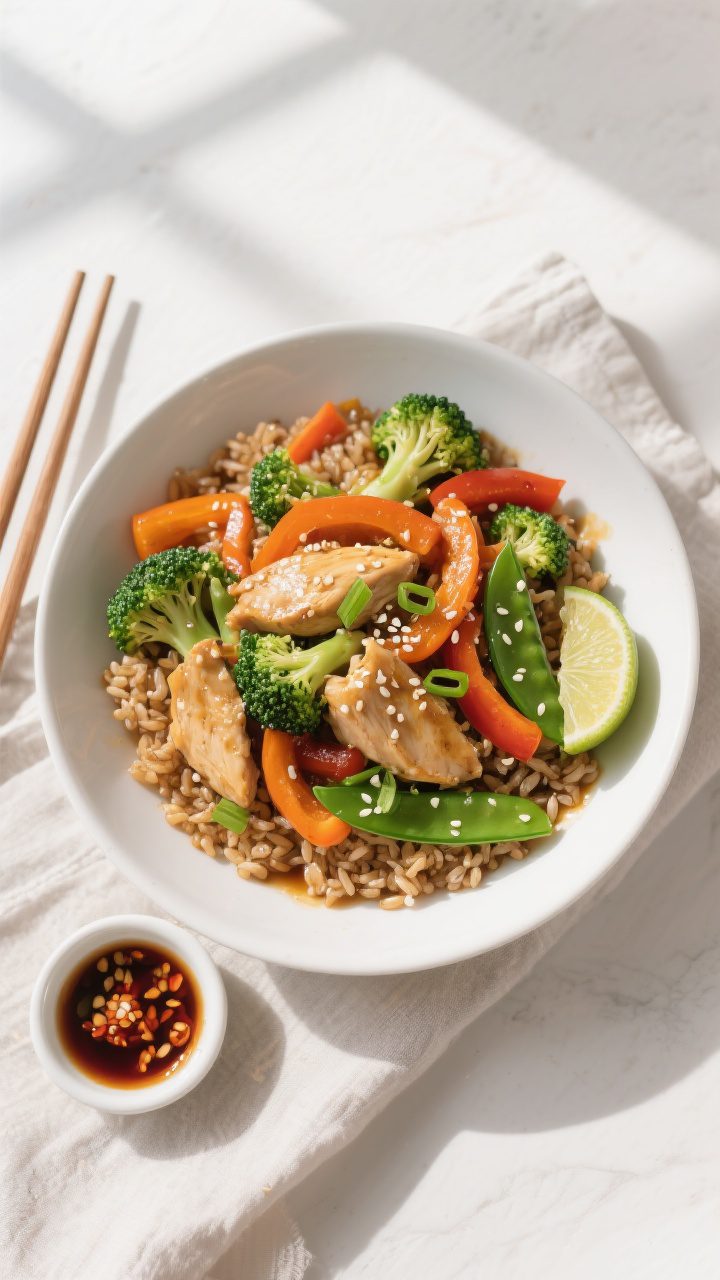
- Serve. Spoon over rice, quinoa, or cauliflower rice. Garnish with sesame seeds if you like. Serve hot.
Why This Recipe Works
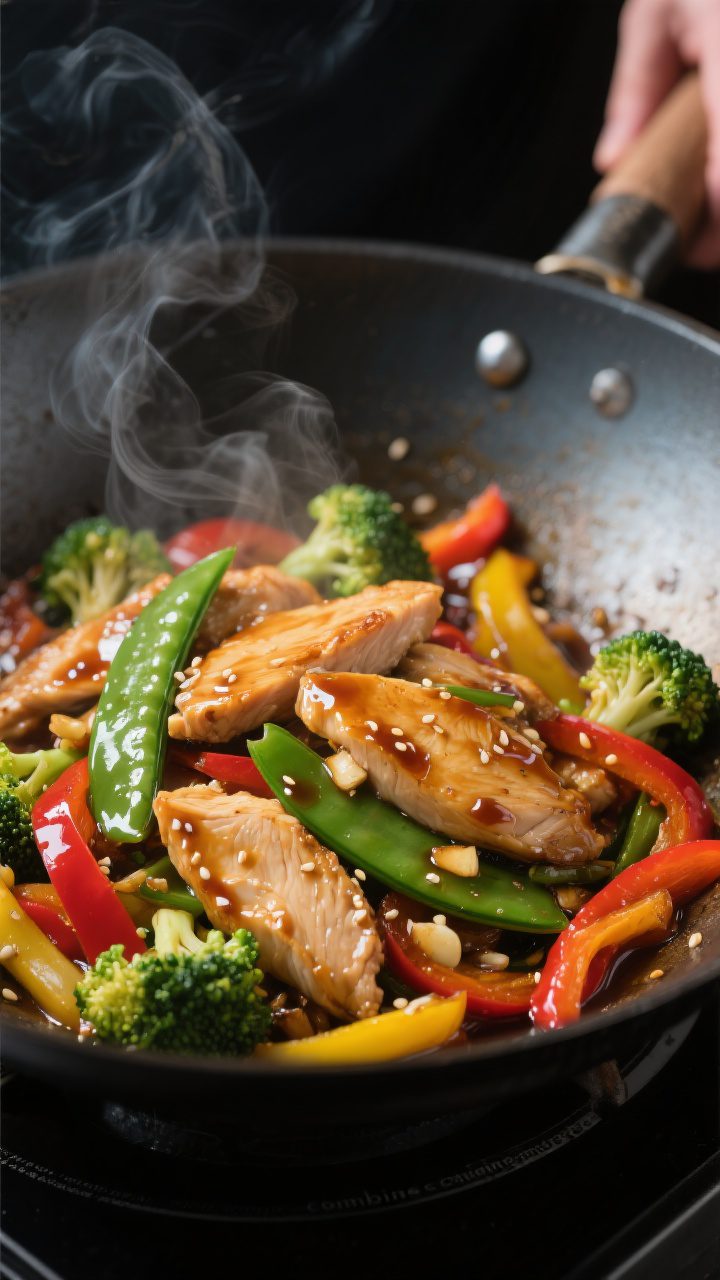
This stir fry leans on a few reliable techniques to deliver great results. Slicing the chicken thinly and cooking it hot and fast gives you tender pieces with a nice sear.
A cornstarch coating helps the chicken stay juicy and helps the sauce cling. The sauce uses soy, garlic, ginger, and a touch of honey for a clean, crowd-pleasing flavor. Finally, quick-cooking vegetables keep their crunch, bringing texture and color to every bite.
What You’ll Need
- Chicken: 1.5 pounds boneless, skinless chicken breast (or thighs), thinly sliced
- Cornstarch: 1.5 tablespoons (for coating the chicken)
- Neutral oil: 2–3 tablespoons (canola, avocado, or peanut oil)
- Garlic: 3 cloves, minced
- Fresh ginger: 1 tablespoon, minced or grated
- Bell peppers: 2 cups, sliced (any color)
- Broccoli: 2 cups small florets
- Carrots: 1 cup, thinly sliced
- Snow peas or snap peas: 1 cup
- Green onions: 3, sliced
- Sesame seeds: 1 tablespoon (optional, for garnish)
For the sauce:
- 1/3 cup low-sodium soy sauce or tamari
- 2 tablespoons rice vinegar (or apple cider vinegar)
- 1–2 tablespoons honey or maple syrup
- 1 tablespoon oyster sauce (optional, adds depth)
- 1 teaspoon toasted sesame oil
- 1/2 cup low-sodium chicken broth or water
- 2 teaspoons cornstarch (to thicken the sauce)
- Red pepper flakes or sriracha to taste (optional heat)
To serve (optional): Cooked brown rice, quinoa, or cauliflower rice.
Step-by-Step Instructions
- Prep the chicken. Pat the chicken dry and slice it thinly against the grain.
Toss with 1.5 tablespoons cornstarch and a pinch of salt. This helps with browning and keeps the meat tender.
- Whisk the sauce. In a bowl, combine soy sauce, rice vinegar, honey, oyster sauce, sesame oil, broth, cornstarch, and optional heat. Whisk until smooth.
Set aside.
- Heat the pan. Set a large skillet or wok over medium-high heat. Add 1 tablespoon oil and swirl to coat. You want the pan hot before the chicken hits it.
- Cook the chicken in batches. Add half the chicken in a single layer.
Let it sear undisturbed for 2 minutes, then stir and cook until just cooked through, about 4–5 minutes total. Remove to a plate. Repeat with remaining chicken, adding a bit more oil if needed.
- Sauté aromatics. Lower heat to medium.
Add a small drizzle of oil, then garlic and ginger. Stir for 30 seconds until fragrant. Don’t let them burn.
- Stir fry the vegetables. Add broccoli and carrots first and cook for 2–3 minutes.
Add bell peppers and peas. Stir fry another 2–3 minutes until crisp-tender. You want bright color and a bit of bite.
- Combine chicken and sauce. Return the chicken and any juices to the pan.
Whisk the sauce again (cornstarch settles), then pour it in. Stir and let it bubble for 1–2 minutes until glossy and slightly thickened.
- Finish and taste. Toss in green onions. Taste and adjust: add a splash more soy for salt, honey for sweetness, or vinegar for brightness.
If too thick, loosen with a bit of water.
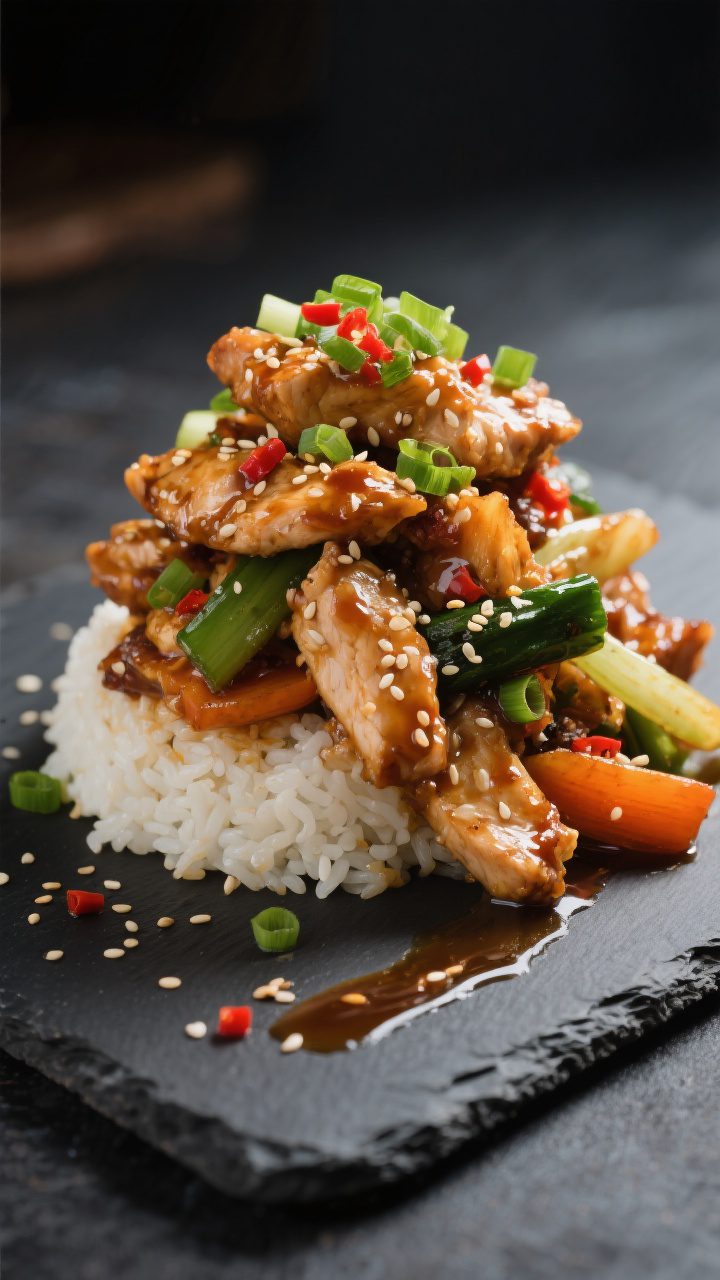
- Serve. Spoon over rice, quinoa, or cauliflower rice. Garnish with sesame seeds if you like. Serve hot.
How to Store
- Refrigerator: Cool completely, then store in an airtight container for up to 4 days.
- Freezer: Freeze in portions for up to 2 months.
Thaw overnight in the fridge for best texture.
- Reheat: Warm in a skillet over medium heat with a splash of water to loosen the sauce. Microwave in short bursts, stirring between intervals.
- Meal prep tip: Keep rice separate so it doesn’t soak up all the sauce during storage.
Health Benefits
- High protein: Lean chicken breast offers a strong protein-to-calorie ratio that supports muscle maintenance and satiety.
- Fiber and micronutrients: Broccoli, peppers, carrots, and peas bring fiber, vitamin C, vitamin A, potassium, and antioxidants.
- Balanced macros: Pairing the chicken and vegetables with whole grains gives a steady, satisfying meal that helps with energy and fullness.
- Lower sodium option: Using low-sodium soy sauce keeps salt levels in check without losing flavor.
- Healthy fats: A small amount of oil helps absorb fat-soluble vitamins and adds mouthfeel without excess calories.
Common Mistakes to Avoid
- Crowding the pan: Overloading the skillet steams the chicken and turns veggies soggy. Cook in batches for better browning.
- Skipping the cornstarch toss: This tiny step makes a big difference in texture and sauce cling.
- Overcooking the chicken: Thin slices cook fast.
Pull them as soon as they’re no longer pink to keep them tender.
- Forgetting to re-whisk the sauce: Cornstarch settles at the bottom. Give it a quick stir before pouring it in.
- Using low heat: Stir fries need high heat for color and snap. Preheat the pan until it’s hot.
Alternatives
- Protein swaps: Use turkey breast, lean beef strips, shrimp, or extra-firm tofu.
For tofu, press it well and toss in cornstarch before searing.
- Veggie variations: Try mushrooms, zucchini, baby corn, bok choy, cabbage, or green beans. Aim for a mix of textures.
- Sauce tweaks: Add orange zest and juice for a citrusy twist, or swap honey for brown sugar. Stir in a spoonful of chili-garlic paste for heat.
- Gluten-free: Use tamari or certified gluten-free soy sauce and a GF oyster sauce.
- Low-carb: Serve over cauliflower rice and use a lighter hand with the sweetener.
- Peanut style: Stir in 1–2 tablespoons natural peanut butter and a squeeze of lime for a creamy, nutty finish.
FAQ
How do I keep the chicken from turning rubbery?
Slice it thin, cook it hot and fast, and don’t overcrowd the pan.
Pull it as soon as it’s just cooked through, then finish it in the sauce for only a minute or two.
Can I use frozen vegetables?
Yes. Thaw and pat them dry first to avoid excess water. Add them later in the cooking process and cook just until heated and crisp-tender.
Is there a good substitute for oyster sauce?
Use more soy sauce with a small splash of fish sauce, or add a teaspoon of miso for savory depth.
You can also skip it entirely and the stir fry will still taste great.
What’s the best oil for stir frying?
Choose a high-smoke-point oil like avocado, peanut, or canola. Olive oil can work in a pinch, but it may smoke at higher temps and change the flavor slightly.
Can I make this ahead?
Yes. Prep and slice everything, mix the sauce, and store separately in the fridge.
When it’s time to cook, you’ll have dinner on the table in under 15 minutes.
How much protein is in a serving?
It depends on your portion and sides, but a typical serving with about 6 ounces of chicken provides roughly 40–45 grams of protein, not counting any grains you add.
How do I add more heat?
Include red pepper flakes, sriracha, or chili-garlic paste in the sauce. You can also drizzle chili oil on top right before serving.
Can I use chicken thighs instead of breasts?
Absolutely. Thighs stay juicy and are more forgiving.
Trim excess fat and slice thin; cook times will be similar.
Wrapping Up
This High-Protein Chicken Stir Fry is fast, flexible, and full of flavor. It’s a dependable go-to for busy nights and easy meal prep. With a handful of ingredients and a few smart steps, you get a satisfying dish that tastes as good on day one as it does for leftovers.
Keep the heat high, the slices thin, and the sauce balanced, and you’ll have a stir fry that earns a spot in your regular rotation.
Printable Recipe Card
Want just the essential recipe details without scrolling through the article? Get our printable recipe card with just the ingredients and instructions.