Classic Homemade Mac and Cheese (Stovetop) – Creamy, Comforting, and Fast
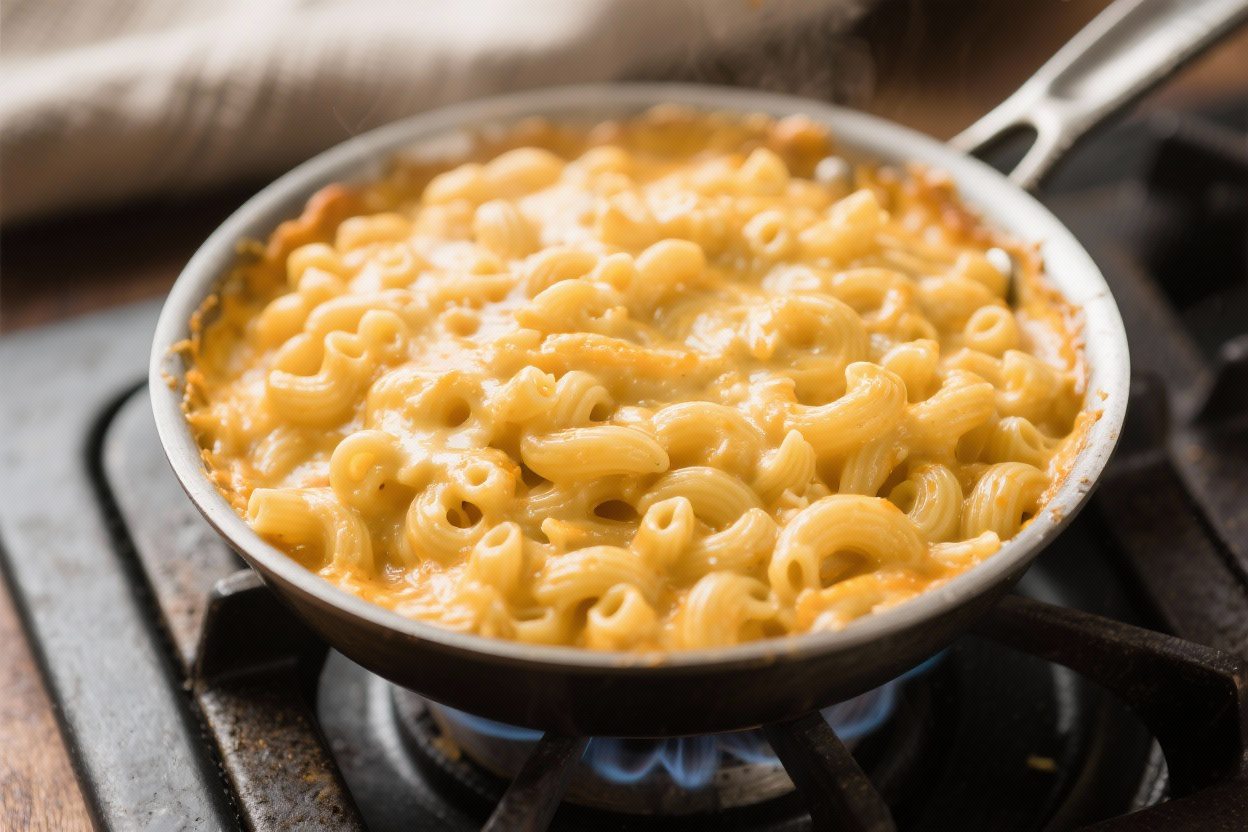
Nothing beats a bowl of creamy mac and cheese made right on the stove. It’s cozy, simple, and ready in less time than takeout. This version gives you a silky cheese sauce, tender pasta, and just the right amount of richness.
You’ll melt butter, whisk a quick roux, and fold in cheeses until smooth. It’s easy enough for a weeknight and special enough to share.
Ingredients
Method
- Cook the pasta: Bring a large pot of salted water to a boil. Add the macaroni and cook until just shy of al dente (about 1 minute less than package directions). Reserve 1/2 cup pasta water, then drain. Set aside.
- Warm the milk: In a small saucepan or microwave-safe container, gently warm the milk until just steamy. Don’t boil. Warm milk helps prevent lumps in the sauce.
- Make the roux: In a large, wide pot over medium heat, melt the butter. Sprinkle in the flour and whisk constantly for 1–2 minutes until the mixture is smooth and smells slightly nutty. It should stay pale; don’t brown it.
- Build the sauce: Slowly pour in the warm milk while whisking. Add in 2–3 additions, whisking until smooth before adding more. Continue whisking for 4–6 minutes, until the sauce is thick enough to coat the back of a spoon.
- Season the base: Whisk in Dijon mustard, garlic powder, onion powder, paprika, and a pinch of salt and pepper. Taste; it should be well seasoned but not salty.
- Add the cheese: Reduce heat to low. Add the cheddar and Gruyère in small handfuls, whisking after each addition until fully melted and smooth. Keep the sauce just below a simmer to prevent splitting.
- Adjust consistency: If the sauce is too thick, whisk in a splash of milk. If too thin, let it gently bubble for another minute to thicken. It should be glossy and pourable.
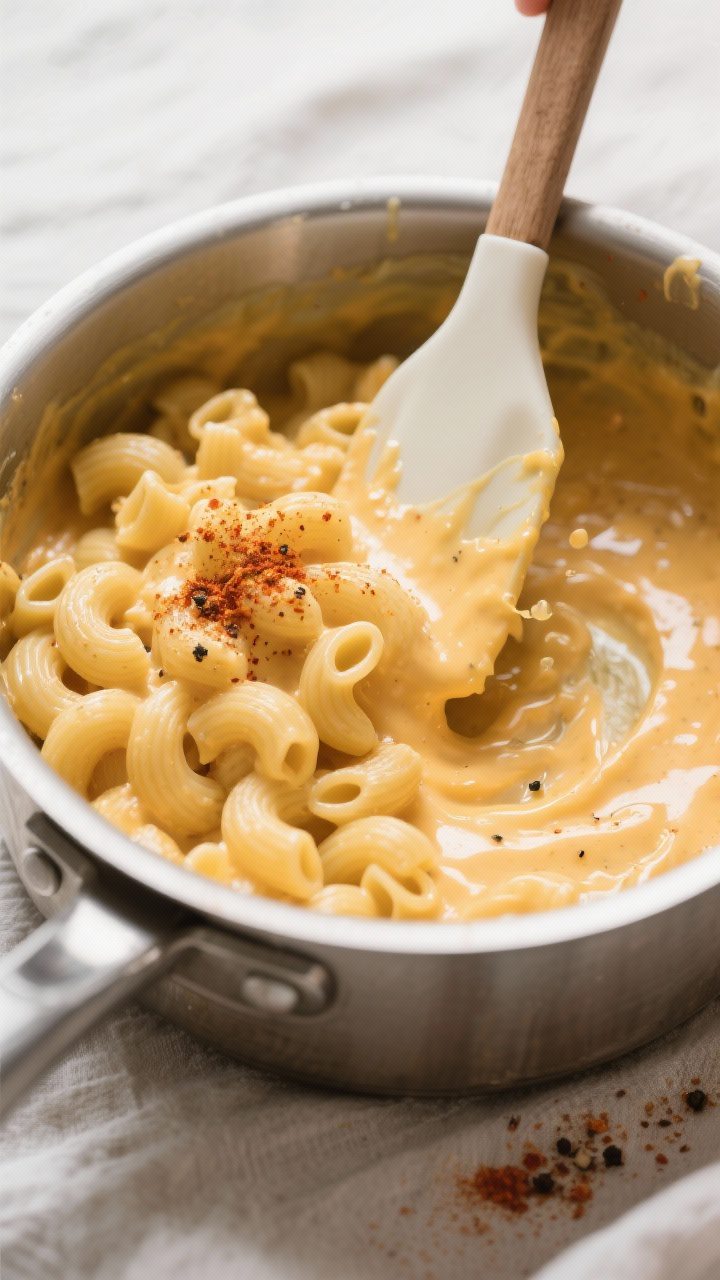
- Combine with pasta: Add the drained pasta to the pot and fold with a spatula until every piece is coated. If it tightens up, add a splash of the reserved pasta water to loosen and add silkiness.
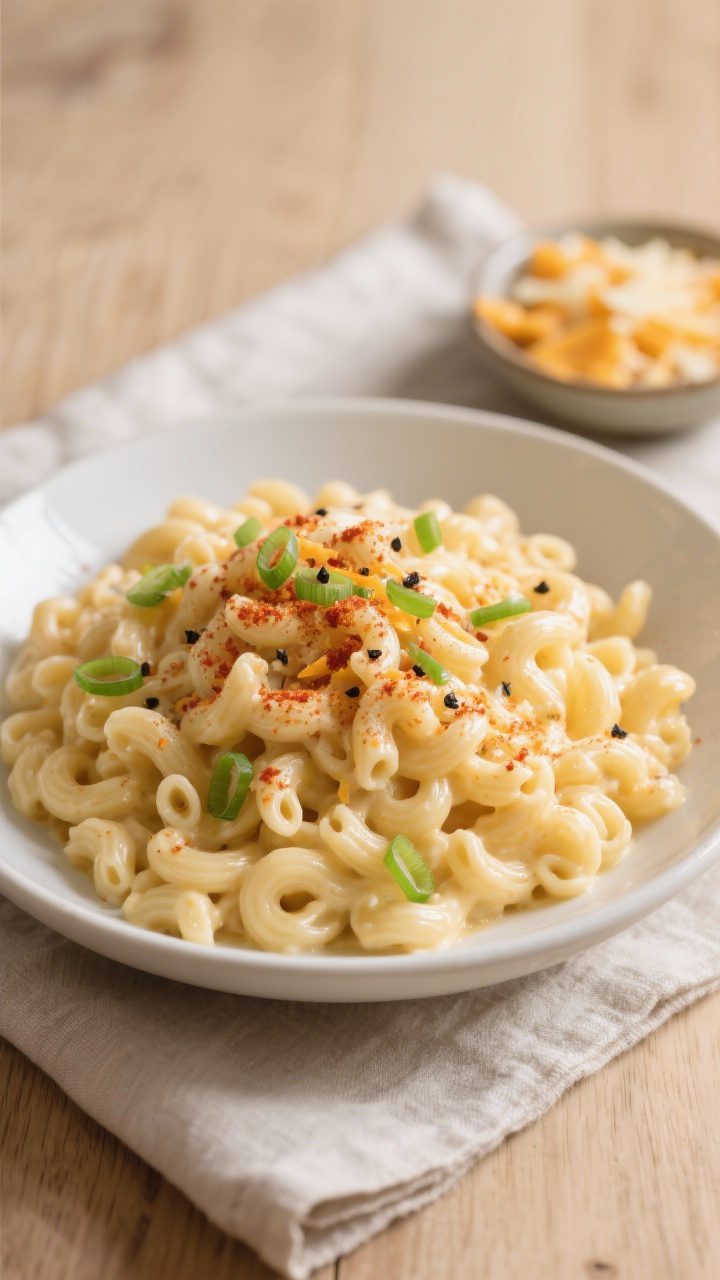
- Final seasoning: Taste and adjust salt and pepper. Serve hot, with a light dusting of paprika or extra black pepper if you like.
What Makes This Recipe So Good
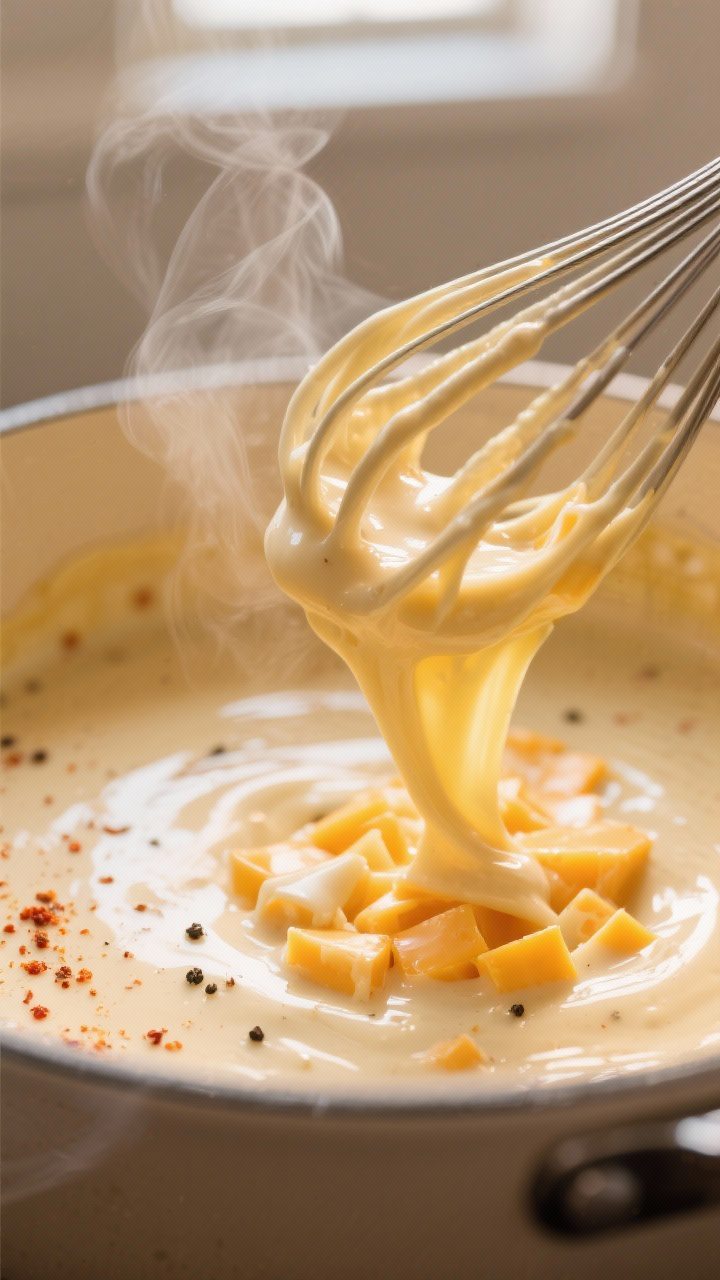
This stovetop mac and cheese hits the sweet spot between nostalgic and upgraded. A classic roux-based sauce clings to every noodle, so you get flavor in every bite.
Using a blend of cheeses gives great melt and sharpness without becoming greasy. You control the texture—extra creamy or a bit thicker—by adjusting the milk. And because it’s made on the stovetop, it’s fast, consistent, and doesn’t heat up the whole kitchen.
Shopping List
- Elbow macaroni (or small shells, cavatappi, or orecchiette), 12 ounces
- Unsalted butter, 4 tablespoons
- All-purpose flour, 4 tablespoons
- Whole milk, 3 cups (or 2% with a splash of cream)
- Sharp cheddar cheese, 8 ounces, freshly grated
- Gruyère or Monterey Jack, 4 ounces, freshly grated
- Dijon mustard, 1 teaspoon
- Garlic powder, 1/2 teaspoon (optional)
- Onion powder, 1/2 teaspoon (optional)
- Paprika, 1/4 teaspoon (optional)
- Salt and black pepper, to taste
Serves: 4–6 as a main, 6–8 as a side.
Step-by-Step Instructions
- Cook the pasta: Bring a large pot of salted water to a boil.
Add the macaroni and cook until just shy of al dente (about 1 minute less than package directions). Reserve 1/2 cup pasta water, then drain. Set aside.
- Warm the milk: In a small saucepan or microwave-safe container, gently warm the milk until just steamy.
Don’t boil. Warm milk helps prevent lumps in the sauce.
- Make the roux: In a large, wide pot over medium heat, melt the butter. Sprinkle in the flour and whisk constantly for 1–2 minutes until the mixture is smooth and smells slightly nutty.
It should stay pale; don’t brown it.
- Build the sauce: Slowly pour in the warm milk while whisking. Add in 2–3 additions, whisking until smooth before adding more. Continue whisking for 4–6 minutes, until the sauce is thick enough to coat the back of a spoon.
- Season the base: Whisk in Dijon mustard, garlic powder, onion powder, paprika, and a pinch of salt and pepper.
Taste; it should be well seasoned but not salty.
- Add the cheese: Reduce heat to low. Add the cheddar and Gruyère in small handfuls, whisking after each addition until fully melted and smooth. Keep the sauce just below a simmer to prevent splitting.
- Adjust consistency: If the sauce is too thick, whisk in a splash of milk.
If too thin, let it gently bubble for another minute to thicken. It should be glossy and pourable.
- Combine with pasta: Add the drained pasta to the pot and fold with a spatula until every piece is coated. If it tightens up, add a splash of the reserved pasta water to loosen and add silkiness.
- Final seasoning: Taste and adjust salt and pepper.
Serve hot, with a light dusting of paprika or extra black pepper if you like.
Keeping It Fresh
Mac and cheese is best right off the stove, but leftovers can still be great. Store in an airtight container in the fridge for up to 4 days. Reheat gently over low heat with a splash of milk to bring back the creaminess.
For the freezer, cool completely, portion into freezer-safe containers, and freeze up to 2 months; reheat slowly and be generous with milk to avoid graininess. If you plan to make ahead for a crowd, cook the pasta extra firm and keep the sauce slightly thinner than usual, then combine and reheat just before serving.
Health Benefits
Mac and cheese is comfort food, but you can still make smart choices. Calcium and protein from milk and cheese support bones and muscle recovery. Using whole milk instead of heavy cream keeps it creamy without being overly rich.
Choosing a high-protein pasta or a whole-wheat option adds fiber and helps with fullness. You can also fold in steamed broccoli or peas for extra vitamins and color without changing the flavor too much.
Common Mistakes to Avoid
- Using pre-shredded cheese: It’s coated with anti-caking agents that make sauces grainy. Freshly grate for the best melt.
- Boiling the cheese sauce: High heat can cause separation.
Keep it on low once the cheese goes in.
- Under-seasoning: Cheese is salty, but the sauce and pasta need seasoning too. Taste as you go.
- Overcooking the pasta: Soft pasta turns mushy when mixed with hot sauce. Aim for just shy of al dente.
- Skipping warm milk: Cold milk can cause lumps.
Warm milk leads to a smoother sauce.
- Not reserving pasta water: A splash helps adjust the texture and adds a glossy finish.
Recipe Variations
- Three-Cheese Blend: Use cheddar, fontina, and Gruyère for extra melt and depth.
- Smoky Twist: Add 1/2 teaspoon smoked paprika and swap some cheddar for smoked Gouda.
- Bacon and Scallion: Crisp 4 slices of bacon, crumble, and fold in with 2 sliced scallions before serving.
- Buffalo-Style: Stir in 2–3 tablespoons hot sauce and a couple tablespoons of cream cheese for tangy creaminess.
- Veggie Boost: Fold in steamed broccoli florets, roasted cauliflower, or thawed peas at the end.
- Extra-Creamy: Replace 1/2 cup of the milk with half-and-half, and add 2 ounces of cream cheese.
- Gluten-Free: Use gluten-free pasta and a 1:1 gluten-free flour blend for the roux.
- Truffle Night: Drizzle a small amount of truffle oil over bowls just before serving. A little goes a long way.
FAQ
Can I use pre-shredded cheese?
You can, but it won’t melt as smoothly. Pre-shredded cheese has starches that can make the sauce gritty.
Freshly grated cheese makes a big difference.
What’s the best cheese combo?
A mix of sharp cheddar for flavor and a melty cheese like Gruyère, Jack, or fontina for texture works best. Avoid very aged cheeses on their own; they can break and turn greasy.
How do I keep the sauce from curdling?
Keep the heat low once cheese is added, and don’t let it boil. Add cheese gradually and whisk gently until smooth.
Can I make it ahead?
Yes.
Cook the pasta a little firmer and keep the sauce slightly thinner. Store separately if possible. Reheat gently with milk, then combine right before serving.
How can I lighten it up?
Use 2% milk with a splash of evaporated milk for body, reduce cheese slightly, and add vegetables.
Whole-wheat or protein pasta also helps make it more filling.
Why is my sauce grainy?
Common reasons are pre-shredded cheese, overheated sauce, or adding cheese to a boiling mixture. Lower the heat and use freshly grated cheese next time.
Can I bake this after making it?
Yes. Transfer to a buttered dish, top with buttered breadcrumbs and extra cheese, and bake at 375°F until bubbly, 15–20 minutes.
Slightly undercook the pasta first so it doesn’t get mushy.
What pasta shape works best?
Elbows are classic, but cavatappi, small shells, or orecchiette work well because they hold sauce in their curves and ridges.
In Conclusion
Stovetop mac and cheese is simple, comforting, and easy to make your own. With a smooth cheese sauce and well-seasoned pasta, it tastes like home in every bite. Keep the heat gentle, grate your own cheese, and season as you go.
Whether you keep it classic or try a fun twist, this recipe delivers creamy, reliable results every time.
Printable Recipe Card
Want just the essential recipe details without scrolling through the article? Get our printable recipe card with just the ingredients and instructions.