Easy Homemade Mac and Cheese – Creamy, Comforting, and Quick
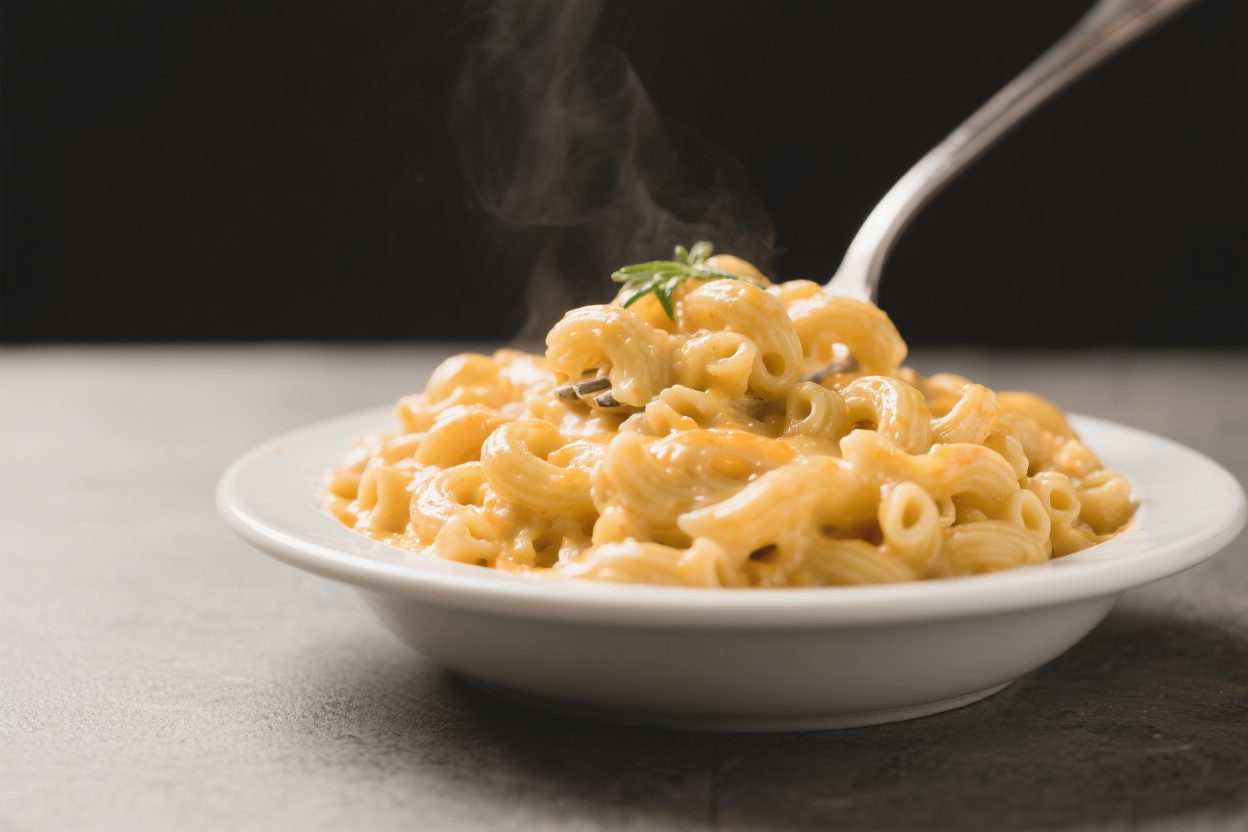
Mac and cheese shouldn’t be complicated. This version is smooth, cheesy, and ready in the time it takes to boil pasta. No fancy tools, no long list of ingredients—just the good, cozy flavor you want on a busy weeknight.
It’s rich without being heavy, and you can easily tweak it to fit your taste. If you’ve only made the boxed kind, this will show you how simple the real deal can be.
Ingredients
Method
- Boil the pasta: Bring a large pot of well-salted water to a rolling boil. Cook the macaroni until just shy of al dente (usually 1 minute less than the package). Drain and set aside. Toss with a touch of butter if you’re worried about sticking.
- Warm the milk: In a small pot or microwave-safe cup, gently warm the milk until steamy, not boiling. Warm milk blends more smoothly into the roux.
- Make the roux: In a large saucepan over medium heat, melt the butter. Whisk in the flour and cook for 1–2 minutes, whisking constantly, until the mixture smells nutty but is still pale. Don’t let it brown.
- Add the milk gradually: Slowly pour in the warm milk while whisking. Keep whisking until the sauce is smooth. Bring to a gentle simmer and cook 3–5 minutes until slightly thick and glossy. It should coat the back of a spoon.
- Season the base: Stir in the mustard, a good pinch of salt, black pepper, and a pinch of paprika or cayenne if using. Taste the sauce; it should be pleasantly seasoned before cheese goes in.
- Add the cheese off heat: Turn off the heat. Add the cheddar and Gruyère/Jack in small handfuls, whisking after each addition until melted and smooth. If the sauce seems too thick, whisk in a splash more milk.
- Combine with pasta: Fold the cooked pasta into the cheese sauce until every piece is coated. If it tightens up, loosen with a bit of warm milk.
- Adjust and serve: Taste and adjust salt and pepper. Serve hot, with a sprinkle of extra pepper or paprika if you like.
What Makes This Special
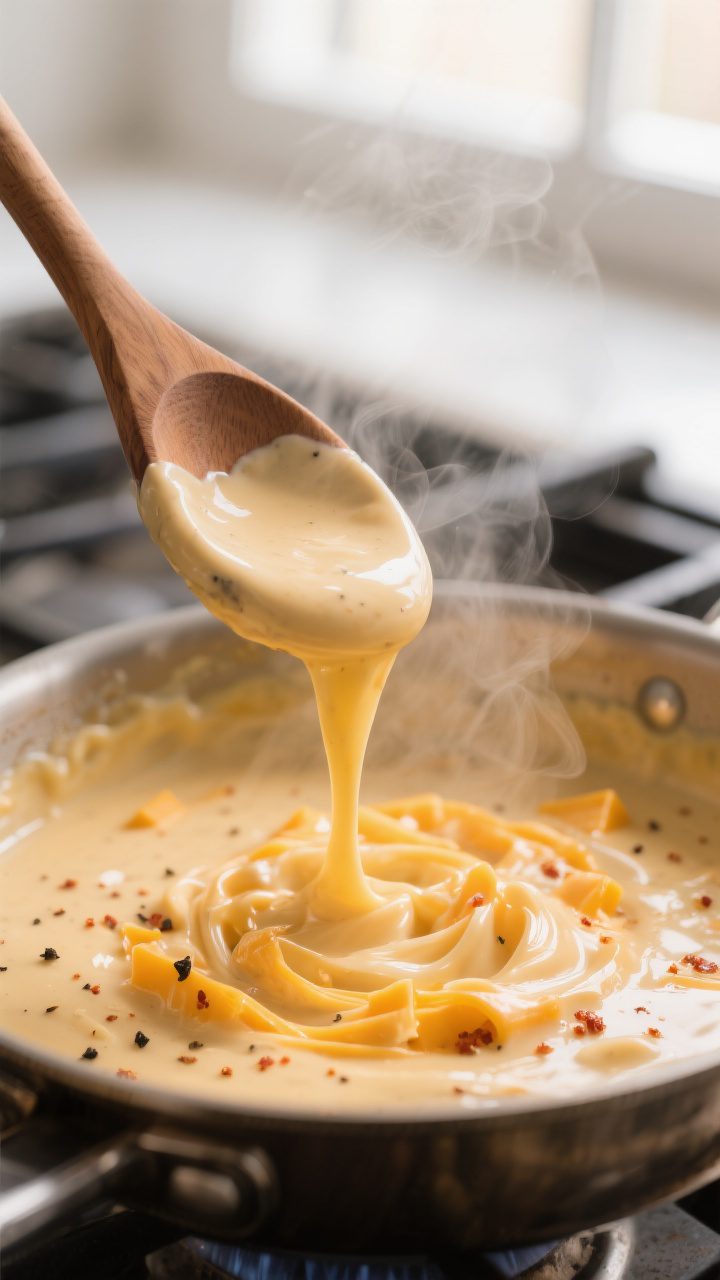
This mac and cheese uses a classic stovetop method that keeps the sauce silky and stable. You’ll get a creamy cheese sauce that clings to each noodle without turning grainy.
The trick is a light roux, warm milk, and a smart blend of cheeses. It’s quick, kid-friendly, and still satisfying for adults. Plus, it works with pantry staples you likely have on hand.
Shopping List
- Macaroni: 12 ounces elbow pasta (or shells/cavatappi)
- Butter: 4 tablespoons (half a stick), unsalted
- All-Purpose Flour: 1/4 cup
- Milk: 2 1/2 cups (whole milk preferred; 2% works)
- Cheddar Cheese: 2 cups freshly grated sharp cheddar
- Gruyère or Monterey Jack: 1 cup, freshly grated (optional but recommended for meltiness)
- Salt: Kosher or sea salt, to taste
- Black Pepper: Freshly ground, to taste
- Mustard: 1 teaspoon Dijon or 1/2 teaspoon dry mustard (for depth)
- Paprika or Cayenne: A pinch (optional, for warmth)
Instructions
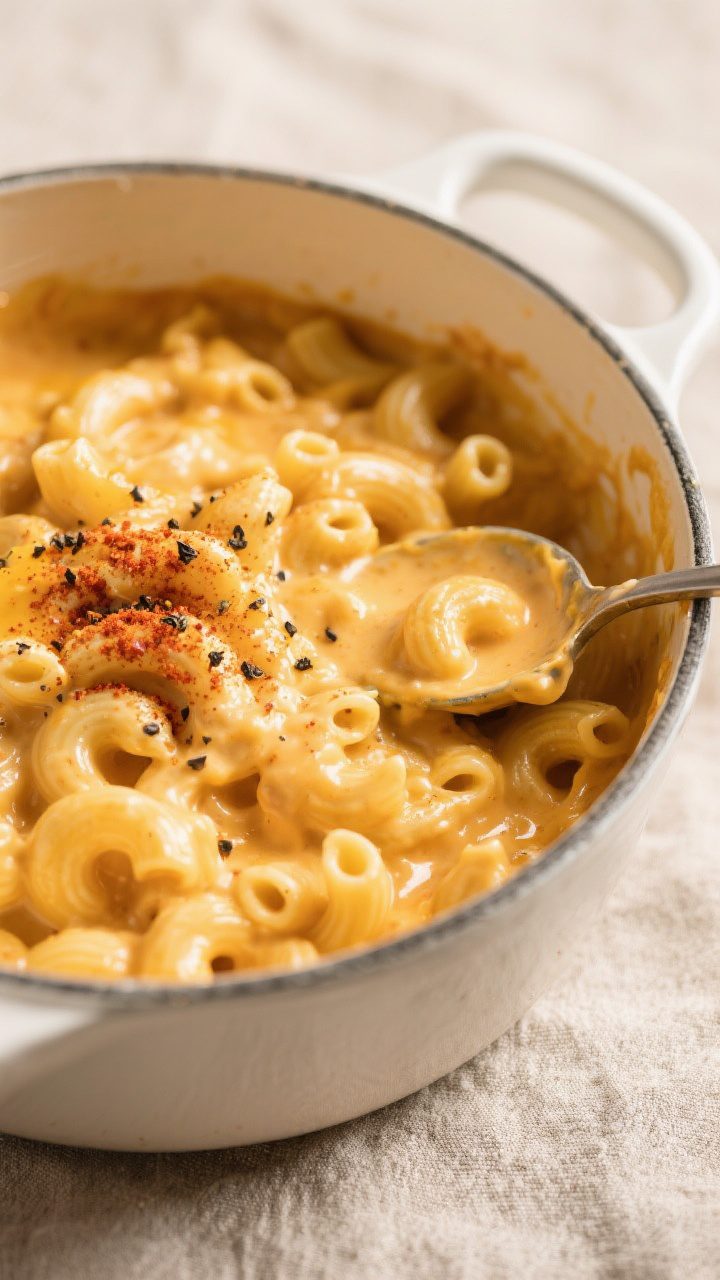
- Boil the pasta: Bring a large pot of well-salted water to a rolling boil.
Cook the macaroni until just shy of al dente (usually 1 minute less than the package). Drain and set aside. Toss with a touch of butter if you’re worried about sticking.
- Warm the milk: In a small pot or microwave-safe cup, gently warm the milk until steamy, not boiling.
Warm milk blends more smoothly into the roux.
- Make the roux: In a large saucepan over medium heat, melt the butter. Whisk in the flour and cook for 1–2 minutes, whisking constantly, until the mixture smells nutty but is still pale. Don’t let it brown.
- Add the milk gradually: Slowly pour in the warm milk while whisking.
Keep whisking until the sauce is smooth. Bring to a gentle simmer and cook 3–5 minutes until slightly thick and glossy. It should coat the back of a spoon.
- Season the base: Stir in the mustard, a good pinch of salt, black pepper, and a pinch of paprika or cayenne if using.
Taste the sauce; it should be pleasantly seasoned before cheese goes in.
- Add the cheese off heat: Turn off the heat. Add the cheddar and Gruyère/Jack in small handfuls, whisking after each addition until melted and smooth. If the sauce seems too thick, whisk in a splash more milk.
- Combine with pasta: Fold the cooked pasta into the cheese sauce until every piece is coated.
If it tightens up, loosen with a bit of warm milk.
- Adjust and serve: Taste and adjust salt and pepper. Serve hot, with a sprinkle of extra pepper or paprika if you like.
How to Store
- Refrigerate: Cool to room temperature, then store in an airtight container for up to 4 days.
- Reheat: Warm gently on the stove over low heat with a splash of milk. Stir until creamy again.
The microwave works too—heat in short bursts, stirring between each.
- Freeze: Not ideal, but possible. Freeze up to 2 months in a freezer-safe container. Thaw in the fridge overnight and reheat with extra milk.
Texture may be slightly less smooth.
Why This is Good for You
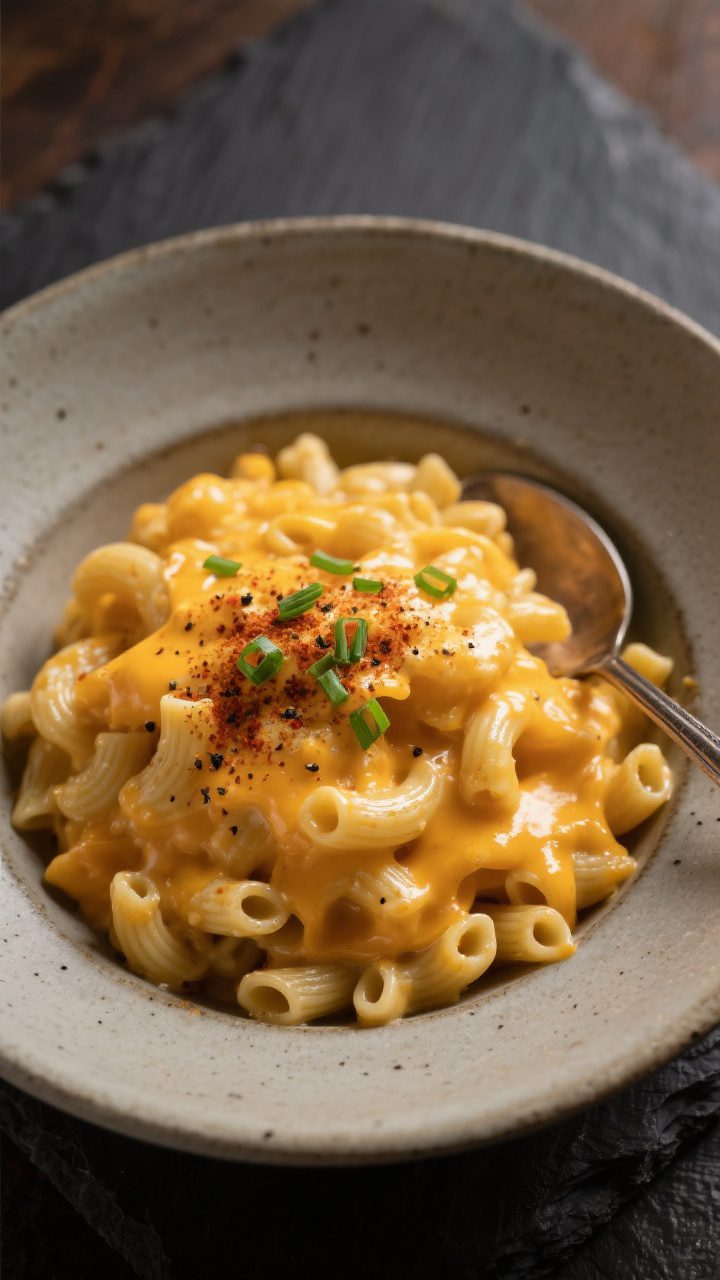
This is comfort food, but you still get some benefits. Cheese provides protein and calcium, and using whole milk adds satisfying richness so a smaller portion still feels filling. You can also boost fiber by choosing whole-wheat pasta or adding veggies. When you make it at home, you control the salt, the quality of cheese, and the portion size—no mystery ingredients.
What Not to Do
- Don’t use pre-shredded cheese if you can help it.
Anti-caking agents can make the sauce grainy and prevent smooth melting.
- Don’t boil the cheese sauce after adding cheese. High heat can split the sauce and turn it greasy.
- Don’t skip seasoning the base sauce. Cheese is salty, but the sauce still needs pepper and mustard to taste balanced.
- Don’t overcook the pasta. It continues to soften in the hot sauce; starting slightly under keeps it pleasantly firm.
- Don’t add cold milk to the roux straight from the fridge. It can cause lumps and slow thickening.
Variations You Can Try
- Breadcrumb Topping: Transfer to a baking dish, top with buttered panko and extra cheddar, and broil until golden.
- Veggie Boost: Stir in steamed broccoli, peas, roasted cauliflower, or sautéed spinach for color and fiber.
- Smoky Twist: Add a handful of smoked Gouda or a dash of smoked paprika for depth.
- Spicy Kick: Mix in diced pickled jalapeños, hot sauce, or a pinch of cayenne.
- Protein Add-Ins: Fold in shredded rotisserie chicken, cooked bacon, or tuna for a heartier meal.
- Lighter Version: Use 2% milk and reduce cheese slightly.
Add a spoon of Greek yogurt off heat for tang and creaminess.
- Gluten-Free: Use gluten-free pasta and swap flour for a gluten-free blend or cornstarch slurry.
FAQ
Can I make this ahead?
Yes. Cook the pasta a little under al dente and assemble the sauce. Combine, cool, and refrigerate.
Reheat gently with a splash of milk. If baking later, undercook the pasta, assemble in a dish, cover, and bake at 350°F (175°C) until warmed through, then broil the top.
What cheeses work best?
Sharp cheddar gives classic flavor, while Gruyère or Monterey Jack adds meltability. Avoid very aged, crumbly cheeses on their own (they can get oily).
A blend of cheddar plus a smooth melter is ideal.
Why did my sauce turn grainy?
Common causes: pre-shredded cheese, overheating after adding cheese, or adding cheese while the sauce is boiling. Turn off the heat before adding cheese, and add it in small handfuls, stirring until smooth.
Can I use water instead of milk?
Milk is key for creaminess. If you’re out, try half-and-half diluted with water, evaporated milk, or unsweetened plain oat milk.
Water alone won’t deliver the right body or flavor.
How do I fix a sauce that’s too thick or too thin?
If it’s too thick, whisk in warm milk a little at a time. If it’s too thin, let it simmer a minute longer before adding cheese, or stir in a teaspoon of cornstarch slurry and simmer gently to thicken.
What pasta shapes work besides elbows?
Shells, cavatappi, rotini, or small rigatoni all hold sauce well. Choose shapes with ridges or curves so the sauce clings.
Can I add garlic or onion?
Absolutely.
Sauté minced garlic or finely chopped onion in the butter for 1–2 minutes before adding flour. Keep it light so it doesn’t overpower the cheese.
Is mustard necessary?
No, but it brightens the flavor and keeps the sauce from tasting flat. Dry mustard or Dijon both work.
Start small and adjust to taste.
Wrapping Up
Easy Homemade Mac and Cheese is all about simple steps and good ingredients. Warm milk, a quick roux, and fresh cheese make a sauce that’s smooth and satisfying every time. Keep it classic or make it your own with veggies, protein, or a crispy topping.
Either way, it’s a fast, cozy meal that always hits the spot.
Printable Recipe Card
Want just the essential recipe details without scrolling through the article? Get our printable recipe card with just the ingredients and instructions.