Pasta With Canned Meat Sauce – A Fast, Hearty Weeknight Favorite
Pasta with canned meat sauce is the kind of meal you make when you want comfort without fuss. It’s warm, filling, and surprisingly flavorful, especially when you give that canned sauce a few easy upgrades. With a handful of pantry staples and a quick simmer, you can turn a basic can into a rich, satisfying dinner.
This is the recipe you keep in your back pocket for busy weeknights, late-night cravings, or when guests show up unannounced. No fancy techniques, just smart steps that make the most of what you’ve got.
Ingredients
Method
- Boil the pasta. Bring a large pot of salted water to a rolling boil. Add pasta and cook until just shy of al dente. Reserve 1 cup of pasta water, then drain.
- Sauté aromatics. In a wide skillet, warm olive oil over medium heat. Add onion and cook 3–4 minutes until soft. Stir in garlic for 30 seconds until fragrant.
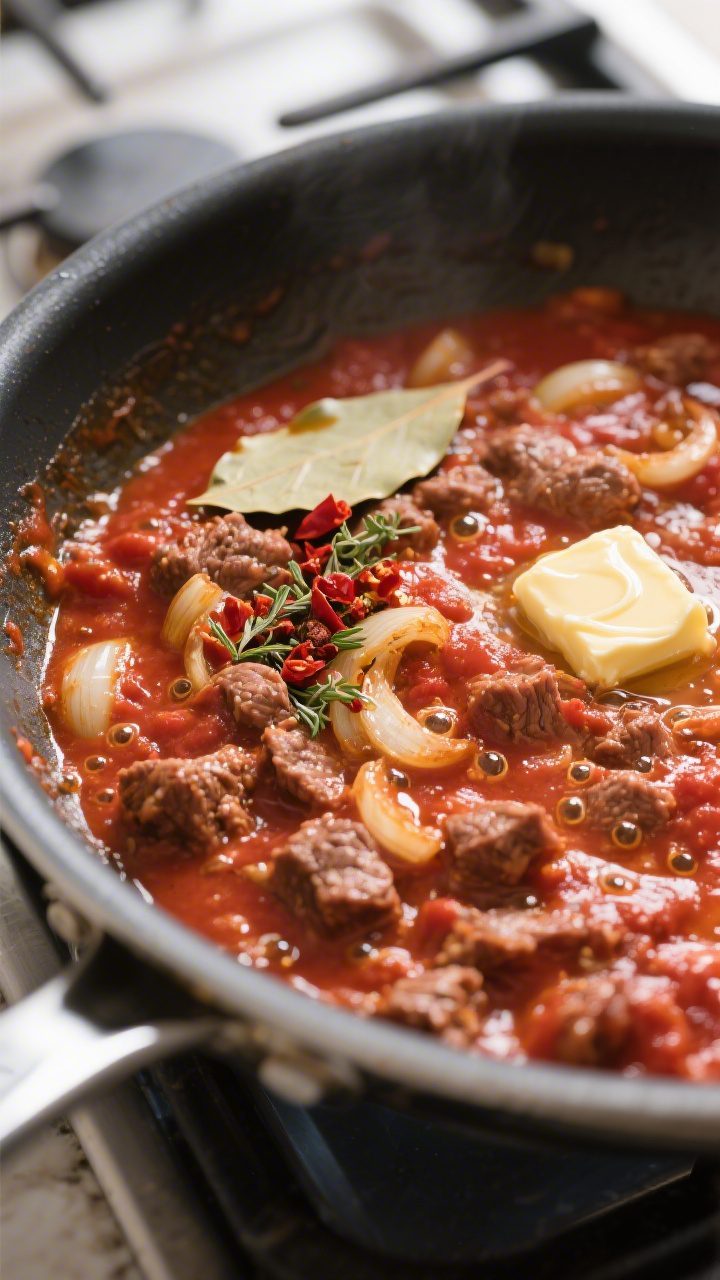
- Boost the base. Add tomato paste and cook for 1 minute, stirring, to caramelize it slightly. Sprinkle in red pepper flakes and dried herbs.
- Add the canned meat sauce. Pour in your canned meat sauce and stir to combine. Add the bay leaf if using.
- Loosen and enrich. Add broth or wine and let the sauce simmer gently for 7–10 minutes. Stir in butter at the end for a silky finish. Taste and season with salt and pepper.
- Marry the pasta and sauce. Add the drained pasta to the sauce and toss over low heat for 1–2 minutes. If it looks thick, add a splash of reserved pasta water until glossy and well-coated.
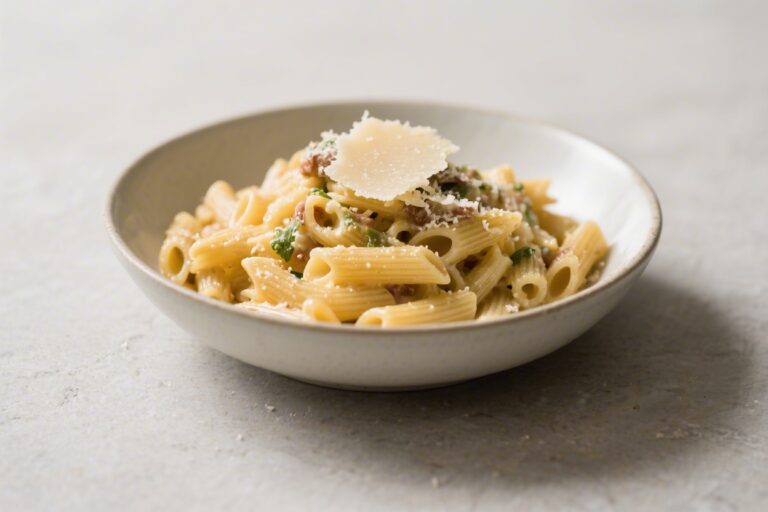
- Finish with freshness. Remove the bay leaf. Stir in chopped basil or parsley. Plate and shower with Parmesan.
- Serve hot. Add an extra drizzle of olive oil, more pepper, and a little more cheese if you like.
What Makes This Special
Pasta with canned meat sauce doesn’t try to be something it’s not—it’s honest, simple, and dependable. But that doesn’t mean it has to taste basic.
With a little sautéed garlic, a splash of broth or wine, and a knob of butter, you can add depth and body to a store-bought sauce fast. Fresh herbs, good cheese, and the right pasta shape make a big difference too. This recipe is also budget-friendly and flexible.
You can dress it up or down, feed a crowd, or cook for one with easy leftovers. It’s the perfect blend of convenience and comfort.
Shopping List
- Pasta: 12–16 oz of your choice (spaghetti, penne, rigatoni, or shells)
- Canned meat sauce: 1–2 cans or jars (24–32 oz total), any brand you like
- Olive oil: 2 tablespoons
- Butter: 1 tablespoon (optional but recommended)
- Garlic: 2–3 cloves, minced (or 1/2 teaspoon garlic powder)
- Onion: 1 small, finely chopped (optional)
- Tomato paste: 1 tablespoon (for richness)
- Red pepper flakes: A pinch (optional, for heat)
- Dried Italian seasoning or oregano: 1 teaspoon
- Bay leaf: 1 (optional)
- Beef or chicken broth, or red wine: 1/4 cup to thin and deepen flavor
- Parmesan cheese: Freshly grated, for serving
- Fresh basil or parsley: A small handful, chopped
- Salt and black pepper: To taste
Step-by-Step Instructions
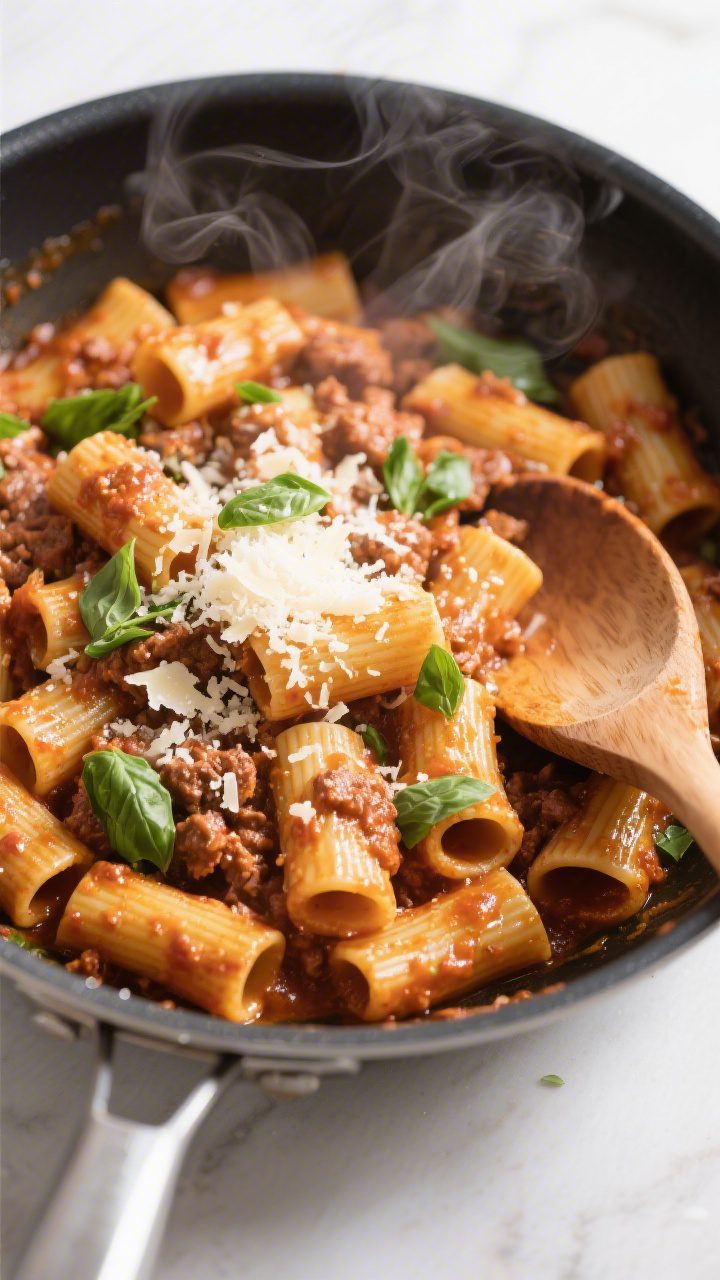
- Boil the pasta. Bring a large pot of salted water to a rolling boil. Add pasta and cook until just shy of al dente.
Reserve 1 cup of pasta water, then drain.
- Sauté aromatics. In a wide skillet, warm olive oil over medium heat. Add onion and cook 3–4 minutes until soft. Stir in garlic for 30 seconds until fragrant.
- Boost the base. Add tomato paste and cook for 1 minute, stirring, to caramelize it slightly.
Sprinkle in red pepper flakes and dried herbs.
- Add the canned meat sauce. Pour in your canned meat sauce and stir to combine. Add the bay leaf if using.
- Loosen and enrich. Add broth or wine and let the sauce simmer gently for 7–10 minutes. Stir in butter at the end for a silky finish.
Taste and season with salt and pepper.
- Marry the pasta and sauce. Add the drained pasta to the sauce and toss over low heat for 1–2 minutes. If it looks thick, add a splash of reserved pasta water until glossy and well-coated.
- Finish with freshness. Remove the bay leaf. Stir in chopped basil or parsley.
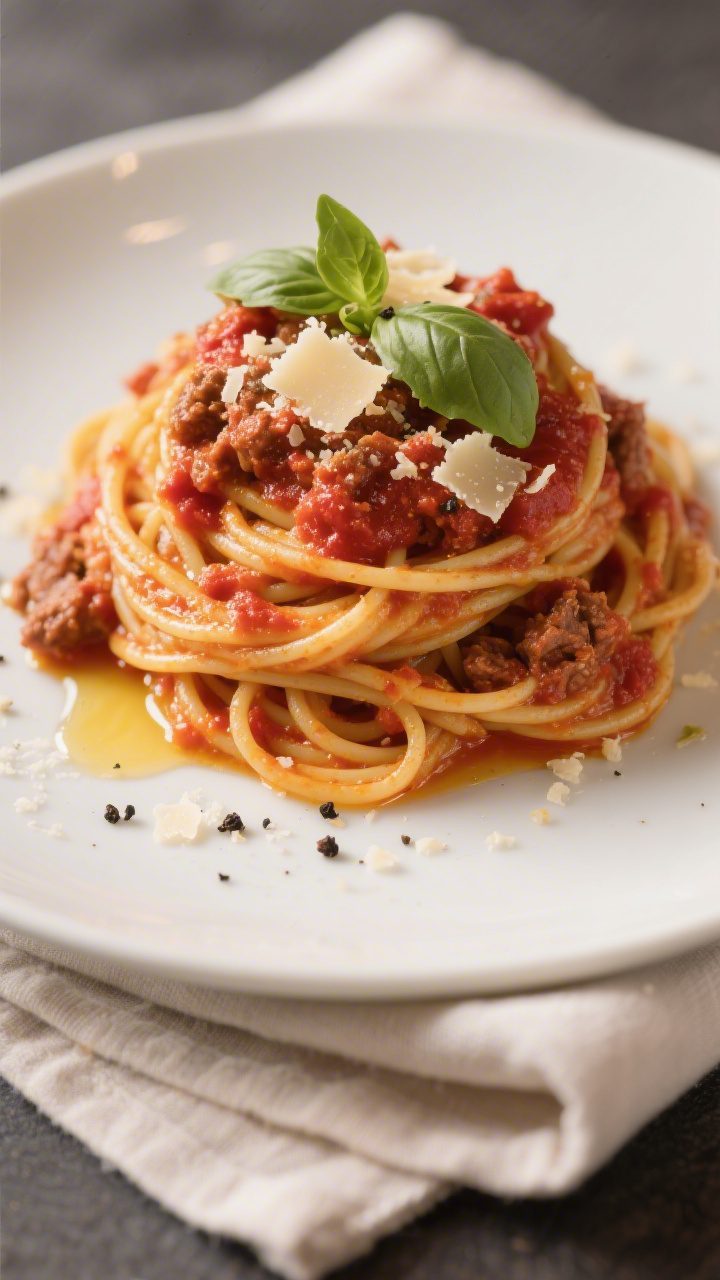
Plate and shower with Parmesan.
- Serve hot. Add an extra drizzle of olive oil, more pepper, and a little more cheese if you like.
Keeping It Fresh
– Use fresh garnishes. A handful of basil or parsley at the end keeps the flavor bright and lively. – Add acidity. A small squeeze of lemon or a splash of red wine vinegar can wake up a canned sauce without making it sour. – Choose the right pasta shape. Ridged or hollow shapes like rigatoni or shells catch the sauce better, making every bite feel saucier. – Don’t overcook. Keep the pasta al dente. It will soften slightly as it sits in the sauce. – Balance richness. If the sauce feels heavy, add a few tablespoons of pasta water to lighten it and help it cling.
Health Benefits
– Protein and iron. Canned meat sauce adds protein, which helps keep you full, and often provides iron, important for energy and focus. – Lycopene from tomatoes. Tomato-based sauces are a good source of lycopene, an antioxidant linked to heart health. – Portion control. Pairing a moderate pasta portion with a hearty sauce and a side salad makes a balanced meal. – Fiber boost. Choose whole wheat or high-fiber pasta to increase fiber, supporting digestion and steady energy. – Add veggies. Stir in spinach, mushrooms, or bell peppers to raise the vitamin and mineral content with minimal effort.
Common Mistakes to Avoid
– Skipping the salt in pasta water. Salting the water is your first chance to season the pasta itself. – Overcooking pasta. Mushy pasta won’t hold sauce and loses texture. Pull it off the heat when it still has a little bite. – Not simmering the sauce. Warming straight from the can is fine in a pinch, but a short simmer blends flavors and improves texture. – Forgetting pasta water. That starchy liquid makes the sauce cling and keeps it from getting pasty. – Overcrowding with add-ins. A few smart upgrades beat tossing in everything.
Keep flavors focused.
Recipe Variations
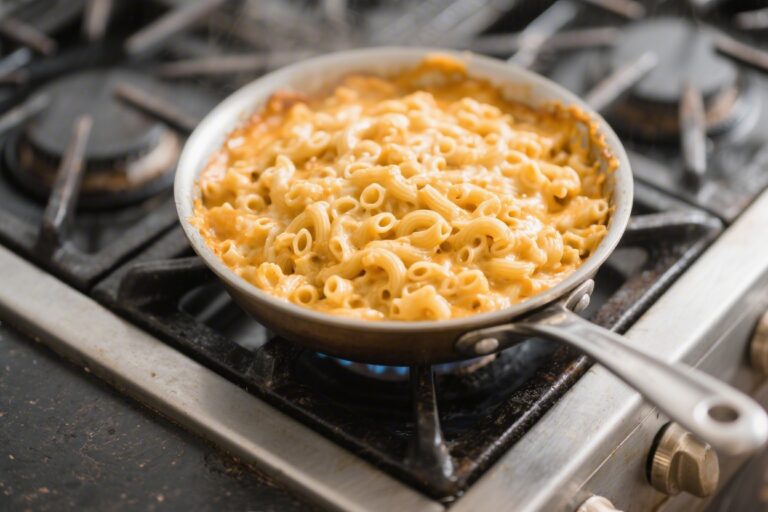
– Vegetable-loaded. Sauté diced mushrooms, zucchini, or bell peppers with the onion. Stir in a handful of baby spinach at the end. – Creamy twist. Add 1/4 cup heavy cream or half-and-half to the sauce after simmering for a smooth, mellow finish. – Spicy arrabbiata style. Use extra red pepper flakes, add a pinch of smoked paprika, and finish with plenty of parsley. – Cheesy bake. Toss pasta with sauce, transfer to a baking dish, top with mozzarella and Parmesan, and bake at 400°F (200°C) for 12–15 minutes until bubbly. – Herb-forward. Add fresh thyme or rosemary with the onion, and finish with lemon zest for brightness. – Olive and caper flair. Stir in sliced olives and a spoonful of capers for briny depth. – Gluten-free. Use your favorite gluten-free pasta and check labels on the sauce to ensure it’s gluten-free.
FAQ
Can I make this ahead of time?
Yes. The sauce keeps well in the fridge for up to 4 days.
Cook pasta fresh for best texture, then combine with reheated sauce. If you must store them together, undercook the pasta slightly and reheat with a splash of water.
What’s the best pasta shape for canned meat sauce?
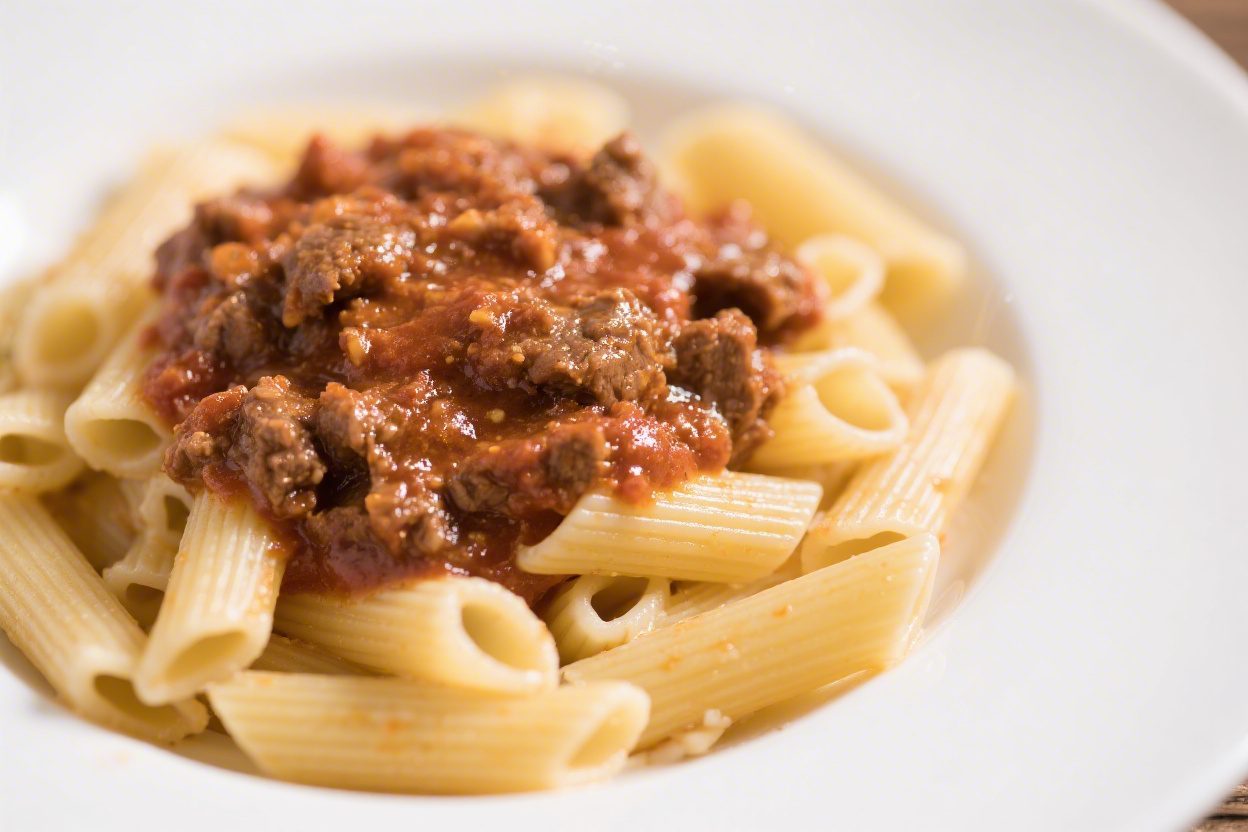
Rigatoni, penne, shells, and fusilli hold onto chunky sauces well. Spaghetti works too, but ridged shapes catch more meat and make each bite feel balanced.
How can I reduce the sodium?
Choose a low-sodium canned sauce if available, skip added salt until you taste, and thin the sauce with low-sodium broth.
Adding fresh vegetables also helps spread out the saltiness.
Is wine necessary?
No. Broth or even water works. Wine adds depth, but the recipe is still delicious without it, especially with garlic, herbs, and a little butter.
Can I add more meat?
Absolutely.
Brown 1/2 pound of ground beef, turkey, or Italian sausage before adding the canned sauce. Drain excess fat, then proceed as usual.
How do I make it dairy-free?
Skip the butter and Parmesan. Finish with extra-virgin olive oil, fresh herbs, and toasted breadcrumbs for crunch.
Why does my sauce taste flat?
It likely needs salt, a touch of acidity, or fat.
Try a pinch of salt, a splash of red wine vinegar or lemon juice, and a small knob of butter or drizzle of olive oil.
Can I freeze leftovers?
Freeze the sauce on its own for up to 3 months. Pasta doesn’t freeze as well, so cook it fresh when you’re ready to serve.
What if my sauce is too thick?
Add reserved pasta water a little at a time until it’s silky and coats the pasta without clumping.
What cheese works besides Parmesan?
Pecorino Romano is sharper and saltier. Grana Padano is milder.
For a melty vibe, add a sprinkle of mozzarella on top right before serving.
Final Thoughts
Pasta with canned meat sauce proves that a comforting dinner doesn’t need to be complicated. With a few small upgrades—garlic, herbs, a quick simmer—you can turn a pantry staple into something that tastes homey and satisfying. Keep this recipe in your weeknight rotation, tweak it to fit your style, and don’t forget the Parmesan on top.
Simple, fast, and reliably good—what more do you need?
Printable Recipe Card
Want just the essential recipe details without scrolling through the article? Get our printable recipe card with just the ingredients and instructions.