Pantry Pasta With Parmesan – A Simple, Comforting Weeknight Meal
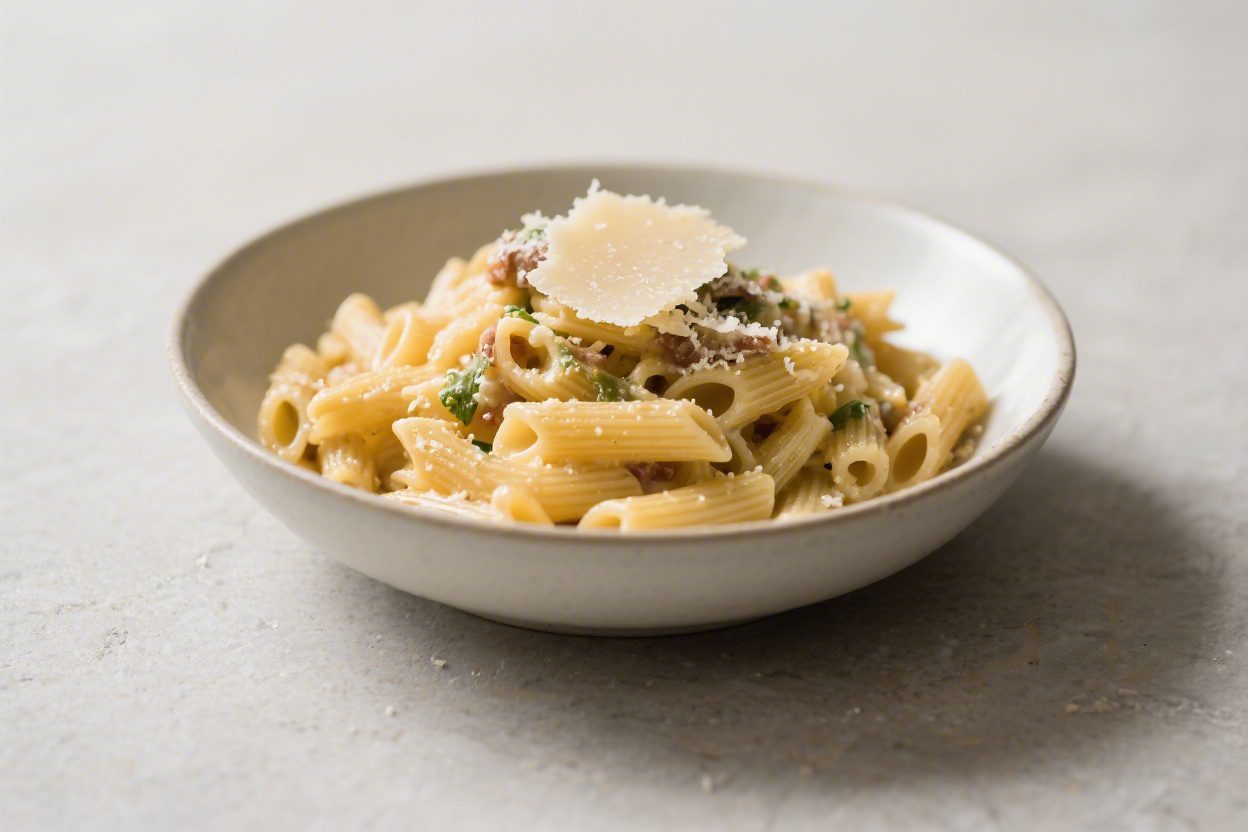
This is the kind of pasta you make when the fridge looks bare but you still want something warm and satisfying. Pantry Pasta with Parmesan leans on staples you probably already have: pasta, garlic, olive oil, red pepper flakes, and a generous shower of cheese. It comes together fast, tastes like more effort than it requires, and welcomes any odds and ends you find in the cupboard.
Think of it as your reliable, no-stress dinner that still feels special. It’s cozy, quick, and endlessly flexible.
Ingredients
Method
- Boil the pasta: Bring a large pot of well-salted water to a boil. Cook the pasta until just shy of al dente. Reserve about 1 1/4 cups of the starchy pasta water, then drain.
- Start the sauce base: While the pasta cooks, warm the olive oil in a large skillet over medium heat. Add the sliced garlic and cook, stirring, until it’s fragrant and just turning golden at the edges, about 1–2 minutes. Don’t let it brown too much or it will taste bitter.
- Add a little heat: Sprinkle in the red pepper flakes and toast them in the oil for 15–20 seconds to bloom their flavor.
- Build the emulsion: Pour in 3/4 cup of the reserved pasta water. It will sputter, so be careful. Swirl or stir to combine with the oil, forming a thin, glossy base.
- Toss the pasta: Add the drained pasta to the skillet. Toss for 1–2 minutes, letting the pasta absorb some of the liquid. If it looks dry, add more pasta water a splash at a time.
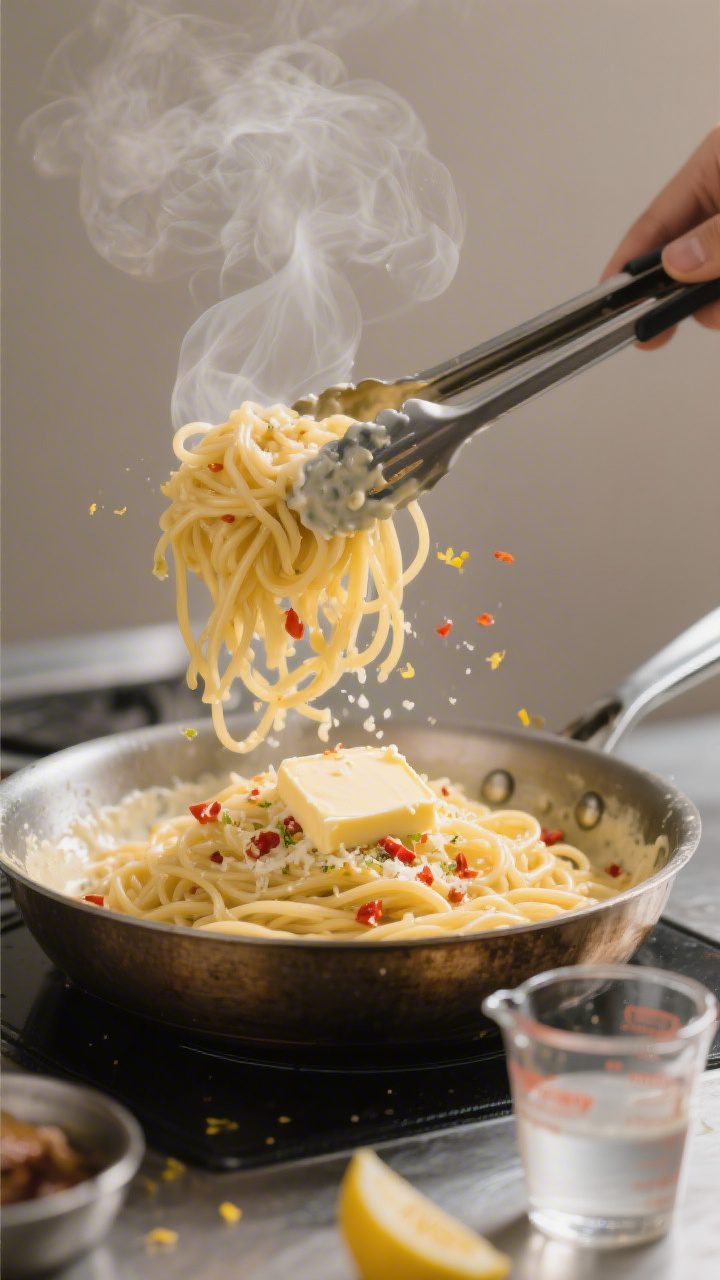
- Finish with cheese: Reduce heat to low. Sprinkle in the grated Parmesan gradually, tossing constantly to help it melt and cling without clumping. If using, add the butter for a silkier texture. Adjust with more pasta water as needed to keep it saucy, not sticky.
- Brighten it up: Grate in a little lemon zest and add a tiny squeeze of lemon juice if you like. Taste and season with salt and black pepper.
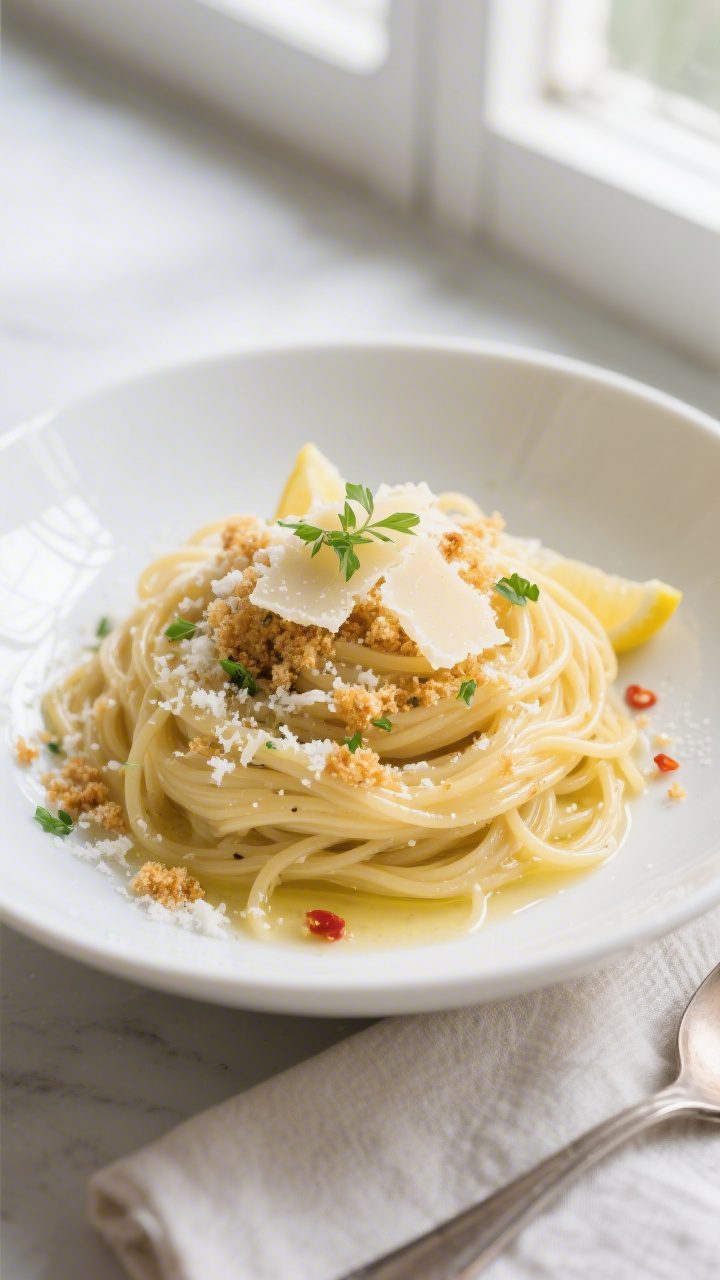
- Garnish and serve: Top with chopped parsley and toasted breadcrumbs if using. Finish with an extra snowfall of Parmesan. Serve right away while it’s glossy and hot.
What Makes This Special
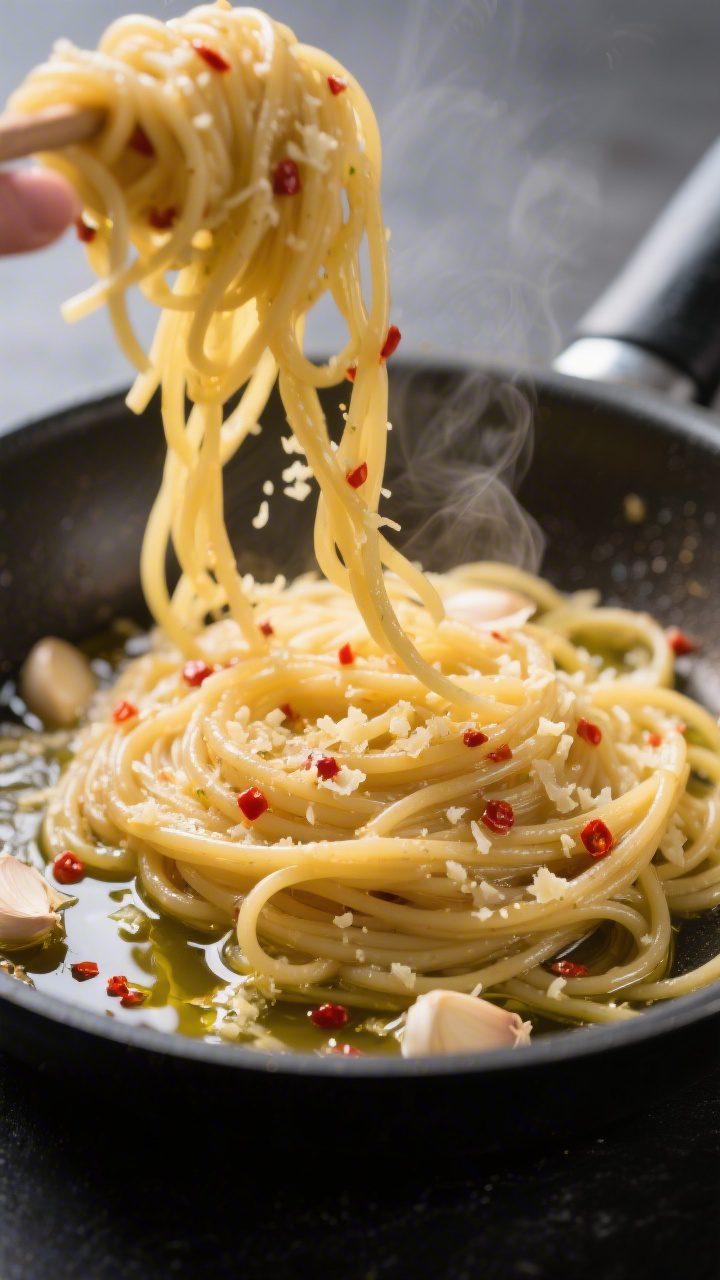
This pasta earns its keep by being both minimal and full of flavor. Toasted garlic perfumes the oil, a little heat from red pepper flakes wakes everything up, and Parmesan ties it together with salty richness.
You get silky, glossy noodles thanks to starchy pasta water that creates a light sauce without cream.
It’s also a budget-friendly way to turn a handful of basics into a proper meal. Add a can of chickpeas or a handful of breadcrumbs and it becomes heartier. Top with a fried egg, and it’s practically a bistro dinner.
Simple ingredients, big reward.
Shopping List
- Spaghetti or linguine: 12 ounces (or any pasta shape you have)
- Extra-virgin olive oil: 3–4 tablespoons
- Garlic: 3–5 cloves, thinly sliced
- Red pepper flakes: 1/4–1/2 teaspoon, to taste
- Parmesan cheese: 1 cup, finely grated (plus extra for serving)
- Butter (optional): 1 tablespoon, for added richness
- Lemon (optional): 1, for zest and/or a squeeze of juice
- Fresh parsley (optional): A small handful, chopped
- Breadcrumbs (optional): 1/2 cup, toasted for crunch
- Salt and black pepper: To taste
Instructions
- Boil the pasta: Bring a large pot of well-salted water to a boil. Cook the pasta until just shy of al dente. Reserve about 1 1/4 cups of the starchy pasta water, then drain.
- Start the sauce base: While the pasta cooks, warm the olive oil in a large skillet over medium heat.
Add the sliced garlic and cook, stirring, until it’s fragrant and just turning golden at the edges, about 1–2 minutes. Don’t let it brown too much or it will taste bitter.
- Add a little heat: Sprinkle in the red pepper flakes and toast them in the oil for 15–20 seconds to bloom their flavor.
- Build the emulsion: Pour in 3/4 cup of the reserved pasta water. It will sputter, so be careful.
Swirl or stir to combine with the oil, forming a thin, glossy base.
- Toss the pasta: Add the drained pasta to the skillet. Toss for 1–2 minutes, letting the pasta absorb some of the liquid. If it looks dry, add more pasta water a splash at a time.
- Finish with cheese: Reduce heat to low.
Sprinkle in the grated Parmesan gradually, tossing constantly to help it melt and cling without clumping. If using, add the butter for a silkier texture. Adjust with more pasta water as needed to keep it saucy, not sticky.
- Brighten it up: Grate in a little lemon zest and add a tiny squeeze of lemon juice if you like.
Taste and season with salt and black pepper.
- Garnish and serve: Top with chopped parsley and toasted breadcrumbs if using. Finish with an extra snowfall of Parmesan. Serve right away while it’s glossy and hot.
How to Store
Leftovers keep in an airtight container in the fridge for up to 3 days.
The sauce will thicken as it cools because of the starch and cheese. To reheat, add a splash of water and a drizzle of olive oil to a skillet, then warm the pasta over medium heat, tossing until loosened and glossy again.
Freezing isn’t ideal because the texture of the cheese sauce can turn grainy, but if you must, freeze in a single-serve portion and reheat gently with extra water and a touch of butter or oil.
Health Benefits
- Energy and satisfaction: Pasta provides steady carbohydrates that fuel your day. Paired with olive oil and Parmesan, it’s filling and comforting without being heavy.
- Heart-healthy fats: Extra-virgin olive oil offers monounsaturated fats and antioxidant compounds that support heart health when used in place of butter-heavy sauces.
- Protein and calcium: Parmesan delivers protein and a strong dose of calcium.
It’s also rich in umami, so a little goes a long way in boosting flavor.
- Add-ons for balance: Stir in chickpeas, canned tuna, or peas for extra protein and fiber. Toss in spinach or arugula for quick greens that wilt right into the sauce.
Pitfalls to Watch Out For
- Over-browning the garlic: Garlicky bitterness comes from burning. Keep the heat moderate, watch the color, and pull the pan off heat if it darkens too fast.
- Clumpy cheese: Cheese seizes in very hot liquid.
Lower the heat, add Parmesan gradually, and toss vigorously with the pasta and a bit of starchy water.
- Under-salted water: Bland pasta is hard to fix later. Salt the boiling water generously so the noodles are seasoned from the inside out.
- Dry sauce: Keep that reserved pasta water close. Add a splash whenever the pasta looks tight; the starch helps you get that silky, restaurant-style coating.
Variations You Can Try
- Lemon-Parsley: Double the zest, add more parsley, and finish with a big squeeze of lemon for a bright, fresh version.
- Anchovy-Garlic: Melt 2–3 anchovy fillets in the oil with the garlic.
They dissolve and add deep savory flavor without tasting “fishy.”
- Breadcrumb Crunch: Toast breadcrumbs in olive oil with a pinch of salt until golden, then scatter over the finished pasta for texture.
- Greens and Beans: Add a handful of spinach or kale to the pan and toss until wilted. Stir in a half-can of rinsed chickpeas for extra protein and fiber.
- Pepper and Pecorino: Swap some Parmesan for Pecorino Romano and add lots of black pepper for a cacio e pepe-inspired twist.
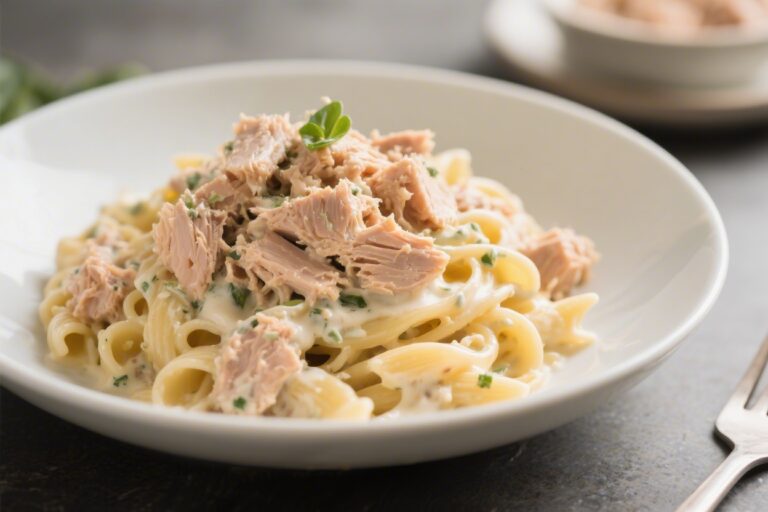
- Spicy Tuna: Flake in a can of tuna packed in olive oil and add extra red pepper flakes. Finish with lemon and parsley.
FAQ
Can I use pre-grated Parmesan?
Yes, but freshly grated melts more smoothly and gives a silkier sauce.
If using pre-grated, add it more slowly and keep the heat low to help it incorporate without clumping.
What pasta shapes work best?
Spaghetti, linguine, or bucatini are great, but short shapes like rigatoni or penne work too. If using short pasta, consider adding a little extra pasta water to help the sauce reach all the nooks and crannies.
Is there a good gluten-free option?
Use your favorite gluten-free pasta and reserve that cooking water the same way. Some gluten-free pastas release less starch, so you may need a touch more olive oil or a small knob of butter to help the sauce cling.
How can I make this vegetarian or more protein-rich?
It’s already vegetarian if you use vegetarian-friendly Parmesan or a similar hard cheese.
For more protein, add chickpeas, white beans, peas, or a fried egg on top. All work well with the flavors.
Can I cut back on the oil or cheese?
You can reduce the olive oil by a tablespoon and the cheese by a bit, then rely more on pasta water for creaminess. Season carefully because less fat means you’ll notice salt and acidity more.
What if my sauce is too salty?
Add more unsalted pasta water and a squeeze of lemon to rebalance.
A handful of cooked peas or a knob of unsalted butter can also soften the saltiness.
Do I need the lemon?
No, but it adds brightness that makes the dish taste lively. Even a little zest can lift the flavors without making it taste “lemony.”
Final Thoughts
Pantry Pasta with Parmesan is proof that a few humble ingredients can deliver comfort and flavor fast. Keep the technique simple: don’t scorch the garlic, save your pasta water, and add cheese gradually.
From there, make it your own with crunchy breadcrumbs, a hit of lemon, or whatever you’ve got on the shelf. It’s the weeknight friend that never fails and always tastes like a small win at the end of the day.
Printable Recipe Card
Want just the essential recipe details without scrolling through the article? Get our printable recipe card with just the ingredients and instructions.