Classic Sugar Cookies (Soft & Thick) – Simple, Sweet, and Cozy
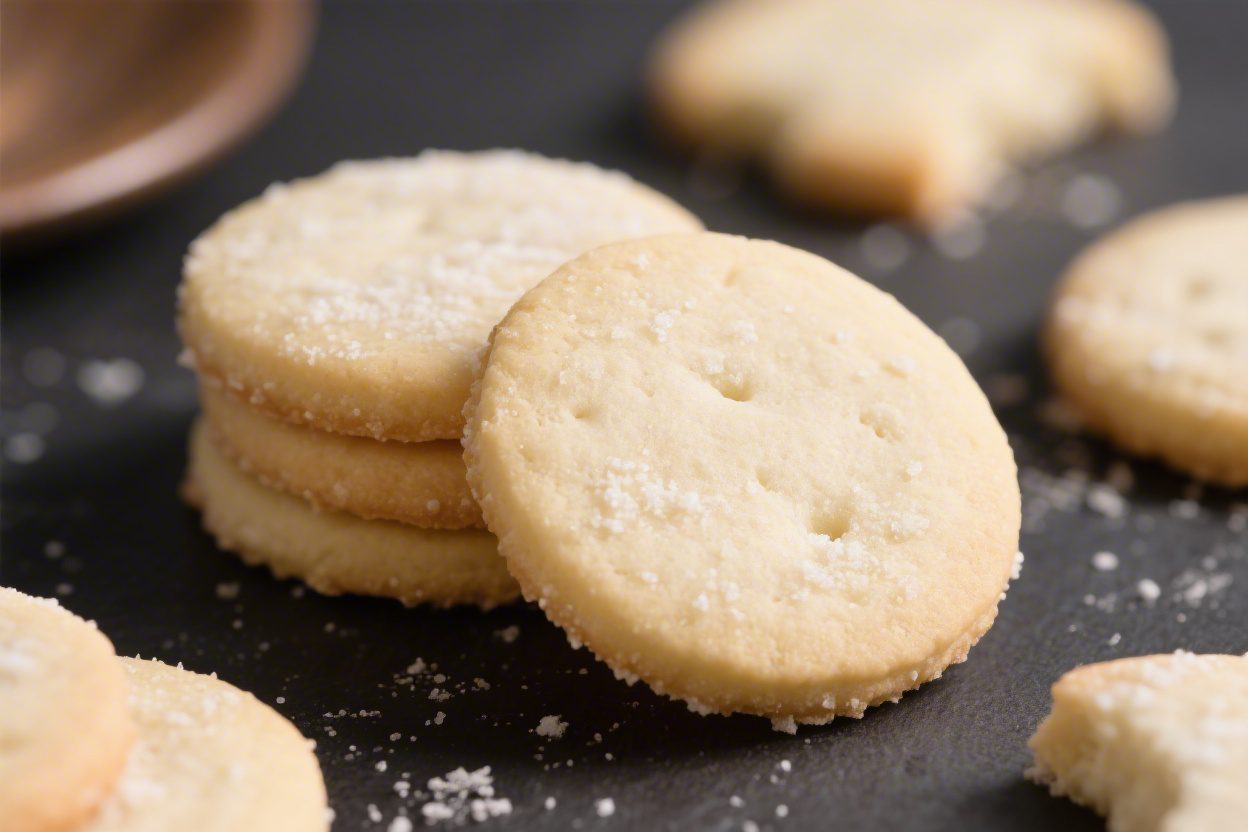
These are the sugar cookies you picture when you think of a cozy kitchen and a warm oven: thick, soft centers with lightly crisp edges and a delicate vanilla finish. They hold their shape, bake evenly, and taste exactly like childhood. No fancy tricks or specialty tools—just a reliable, comforting cookie that always disappears fast.
If you’ve been searching for an easy, no-drama recipe, this is it. Make a batch for holidays, bake sales, or just because a Tuesday needs a little sweetness.
Ingredients
Method
- Prep the basics. Line two baking sheets with parchment paper. Set your oven rack to the center position. You’ll preheat later, after chilling the dough.
- Whisk dry ingredients. In a medium bowl, whisk together flour, cornstarch, baking powder, and salt until evenly combined. Set aside.
- Cream butter and sugar. In a large bowl, beat softened butter and granulated sugar with a hand mixer or stand mixer on medium speed for 2–3 minutes, until pale and fluffy. Proper creaming creates lift and tenderness.
- Add eggs and flavor. Mix in the egg, then the egg yolk, scraping down the bowl as needed. Beat in vanilla and almond extract (if using) until smooth.
- Combine wet and dry. Add the dry ingredients in two additions, mixing on low just until no dry streaks remain. If the dough looks crumbly but holds when squeezed, it’s right. If it’s too dry to come together, add 1 tablespoon milk. If it’s too sticky, add 1–2 tablespoons flour.
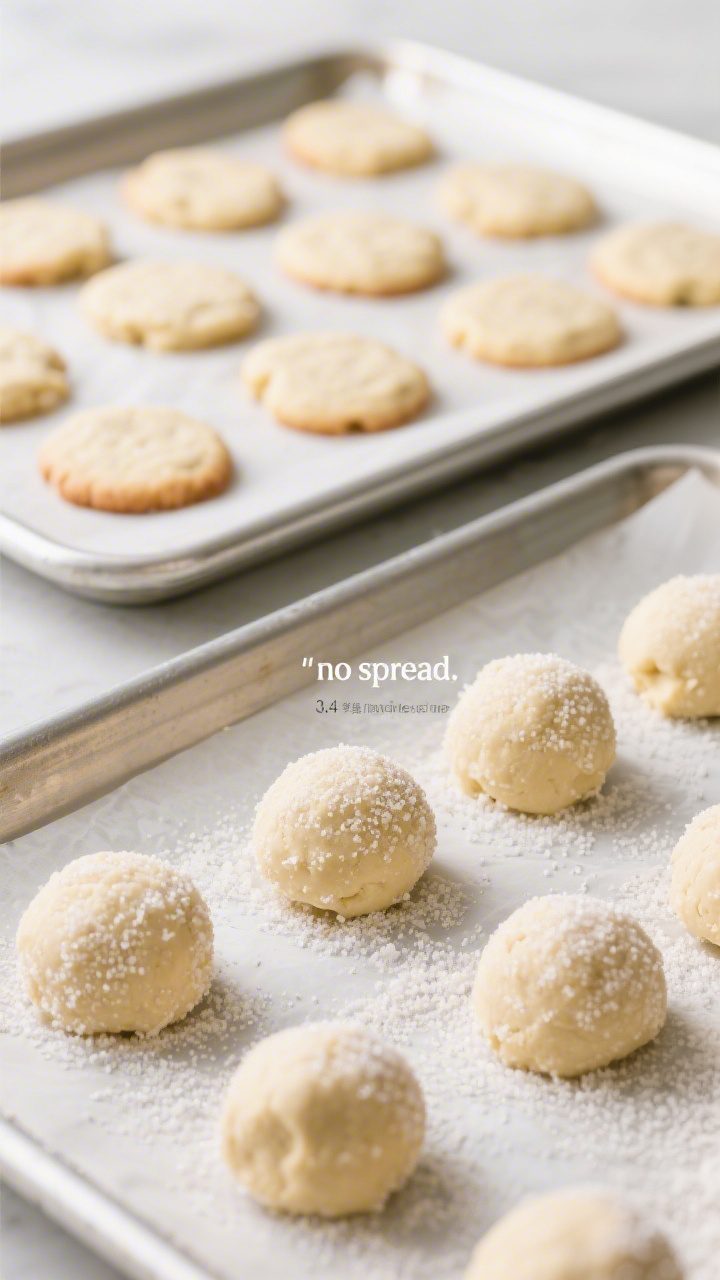
- Chill the dough. Divide the dough in half. Flatten into discs, wrap tightly, and chill for at least 1 hour (and up to 48 hours). Chilling prevents spread and improves flavor.
- Preheat and portion. Preheat oven to 350°F (175°C). Scoop 1 1/2–2 tablespoon portions (a medium cookie scoop) and roll into balls. For extra sparkle and a light crust, roll each ball in granulated or sanding sugar.
- Shape and arrange. Place dough balls on prepared sheets, spacing 2 inches apart. For thick cookies, leave as balls or gently press to about 3/4-inch thickness for a flatter top.
- Bake. Bake 9–11 minutes, until edges are set and the tops look just dry. Do not brown them; they should look pale. They’ll continue to set on the sheet.
- Cool. Let cookies rest on the baking sheet for 5 minutes, then transfer to a wire rack to cool completely. If desired, add sprinkles while still slightly warm so they stick.
- Optional glaze. For a simple finish, whisk 1 cup powdered sugar with 1–2 tablespoons milk and 1/2 teaspoon vanilla. Drizzle or spread on cooled cookies and top with sprinkles.
What Makes This Special
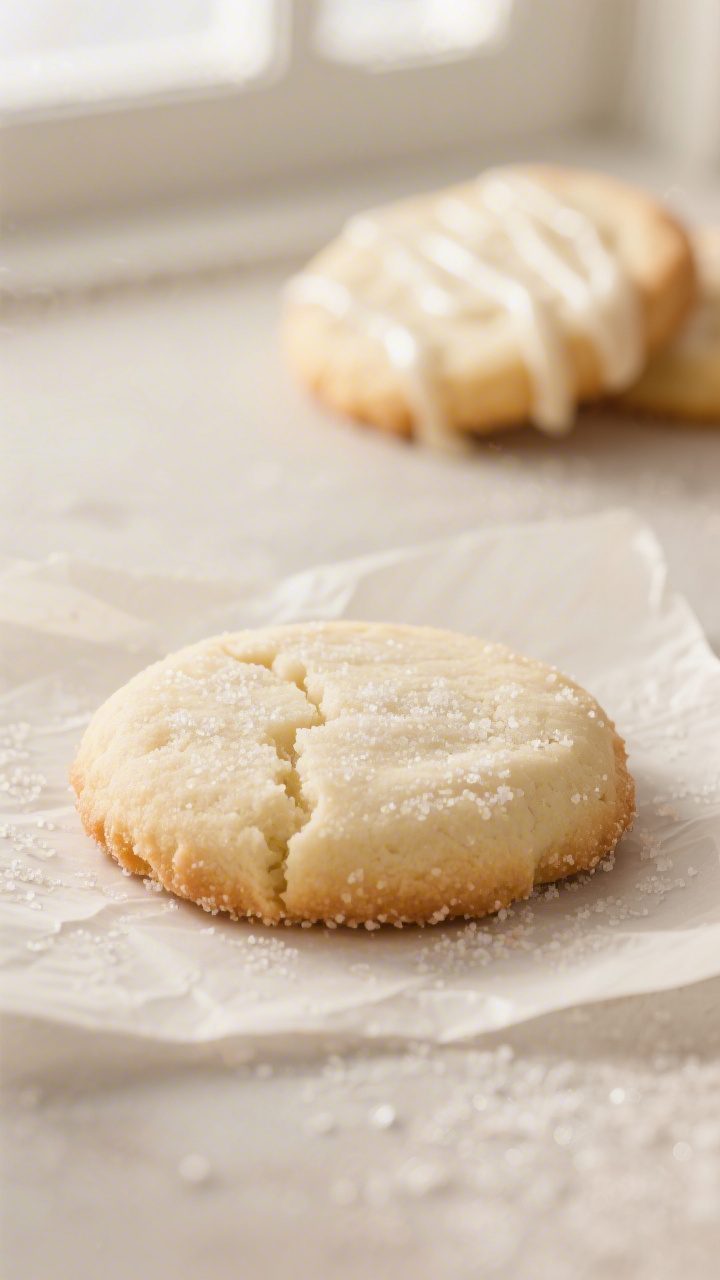
These cookies are soft and thick without being cakey. They keep their shape, which makes them perfect for simple rounds or light rolling and cutting.
The dough is sturdy yet tender, thanks to the right balance of butter, sugar, and flour. A touch of cornstarch and an extra egg yolk lock in moisture. And you can customize the finish—sparkling sugar, colored sanding sugar, or a simple vanilla glaze—without changing the base recipe.
- Soft, Thick Texture: Cornstarch and an extra egg yolk keep them plush inside.
- No Spread: Chilled dough and the right flour ratio help cookies hold their shape.
- Balanced Sweetness: Sweet but not cloying, so frosting or sprinkles won’t overwhelm.
- Make-Ahead Friendly: The dough chills well and freezes beautifully.
- Foolproof for Beginners: Straightforward steps and simple pantry ingredients.
Shopping List
- All-purpose flour – 2 3/4 cups (plus 1–2 tablespoons if dough feels too sticky)
- Cornstarch – 1 tablespoon
- Baking powder – 1 teaspoon
- Fine sea salt – 1/2 teaspoon
- Unsalted butter – 3/4 cup (1 1/2 sticks), softened to room temperature
- Granulated sugar – 1 cup, plus extra for rolling
- Large egg – 1
- Large egg yolk – 1 (reserve the white for another recipe)
- Pure vanilla extract – 2 teaspoons
- Almond extract (optional) – 1/4 teaspoon for a bakery-style note
- Whole milk or cream – 1–2 tablespoons, only if needed to bring dough together
- Sanding sugar or sprinkles (optional) – for tops
Step-by-Step Instructions
- Prep the basics. Line two baking sheets with parchment paper.
Set your oven rack to the center position. You’ll preheat later, after chilling the dough.
- Whisk dry ingredients. In a medium bowl, whisk together flour, cornstarch, baking powder, and salt until evenly combined. Set aside.
- Cream butter and sugar. In a large bowl, beat softened butter and granulated sugar with a hand mixer or stand mixer on medium speed for 2–3 minutes, until pale and fluffy.
Proper creaming creates lift and tenderness.
- Add eggs and flavor. Mix in the egg, then the egg yolk, scraping down the bowl as needed. Beat in vanilla and almond extract (if using) until smooth.
- Combine wet and dry. Add the dry ingredients in two additions, mixing on low just until no dry streaks remain. If the dough looks crumbly but holds when squeezed, it’s right.
If it’s too dry to come together, add 1 tablespoon milk. If it’s too sticky, add 1–2 tablespoons flour.
- Chill the dough. Divide the dough in half. Flatten into discs, wrap tightly, and chill for at least 1 hour (and up to 48 hours). Chilling prevents spread and improves flavor.
- Preheat and portion. Preheat oven to 350°F (175°C).
Scoop 1 1/2–2 tablespoon portions (a medium cookie scoop) and roll into balls. For extra sparkle and a light crust, roll each ball in granulated or sanding sugar.
- Shape and arrange. Place dough balls on prepared sheets, spacing 2 inches apart. For thick cookies, leave as balls or gently press to about 3/4-inch thickness for a flatter top.
- Bake. Bake 9–11 minutes, until edges are set and the tops look just dry. Do not brown them; they should look pale.
They’ll continue to set on the sheet.
- Cool. Let cookies rest on the baking sheet for 5 minutes, then transfer to a wire rack to cool completely. If desired, add sprinkles while still slightly warm so they stick.
- Optional glaze. For a simple finish, whisk 1 cup powdered sugar with 1–2 tablespoons milk and 1/2 teaspoon vanilla. Drizzle or spread on cooled cookies and top with sprinkles.
How to Store
- Room temperature: Store fully cooled cookies in an airtight container for 4–5 days.
Slip in a slice of bread to maintain softness.
- Refrigerator: Not necessary for baked cookies; it can dry them out.
- Freezer (baked): Freeze in layers, separated by parchment, up to 2 months. Thaw at room temp.
- Freezer (dough): Freeze scooped dough balls on a sheet until firm, then bag airtight for up to 2 months. Bake from frozen at 350°F, adding 1–2 minutes.

Why This is Good for You
These cookies are a treat, but they do more than satisfy a sweet tooth. Controlled ingredients mean you skip the preservatives and artificial flavors found in packaged cookies.
Making them at home can be a relaxing ritual and a way to connect with family. They’re also customizable, so you can reduce sugar slightly or swap in whole wheat pastry flour for a portion of the white flour, adjusting to your preferences while keeping the joyful, soft bite.
Pitfalls to Watch Out For
- Overbaking: If they’re golden, they’re overdone. Pull them when the tops just lose their shine.
- Skipping the chill: Warm dough spreads more and loses that thick, plush texture.
- Too much flour: Scooping flour directly from the bag packs it in.
Spoon and level, or weigh it. Dense cookies usually mean too much flour.
- Butter too warm: Over-softened or melted butter can lead to spreading and greasy texture. Aim for cool room temp—soft but not shiny.
- Overmixing: Once flour is in, mix just until combined to avoid tough cookies.
Alternatives
- Lemon sugar cookies: Add 1 tablespoon lemon zest and replace 1 teaspoon vanilla with 1 teaspoon lemon extract.
Finish with lemon glaze.
- Brown butter twist: Brown the butter and chill it until solid before creaming. Expect deeper, toasty notes.
- Gluten-free: Use a 1:1 gluten-free baking blend with xanthan gum. Add 1 extra tablespoon milk if dough seems dry.
- Whole wheat pastry blend: Replace 1 cup all-purpose with whole wheat pastry flour for a nutty note without heaviness.
- Cut-out cookies: Add 2–3 tablespoons more flour, roll between parchment to 1/4 inch, chill 20 minutes, then cut and bake 8–10 minutes.
- Cinnamon sugar topper: Roll dough balls in a mix of 1/4 cup sugar and 1 teaspoon cinnamon for a snickerdoodle vibe (without cream of tartar).
FAQ
Can I make the dough ahead of time?
Yes.
Chill the wrapped dough for up to 48 hours. If it becomes very firm, let it sit at room temperature for 10–15 minutes before scooping. You can also freeze portioned dough balls for quick cookies anytime.
Why are my cookies dry or crumbly?
This usually means too much flour or overbaking.
Weigh the flour or use the spoon-and-level method, and pull the cookies when they’re pale and just set around the edges.
Do I have to use cornstarch?
No, but it helps with that soft, thick texture. If you skip it, the cookies may be slightly less tender. You can substitute with an equal amount of cake flour for part of the all-purpose as another option.
Can I frost these cookies?
Absolutely.
A simple vanilla glaze, cream cheese frosting, or buttercream all work. Make sure the cookies are fully cool so the frosting sets properly.
What if I want them extra thick?
Keep the dough balls tall, don’t press them down, and make slightly larger scoops. You can also chill the portioned dough balls for 20 minutes before baking to reduce spread.
How do I prevent spreading without chilling?
Chilling is the most reliable method.
If you’re short on time, try using cool metal baking sheets, slightly cooler dough, and avoid greasing the sheet (use parchment). But for consistent thickness, chilling is best.
Can I reduce the sugar?
You can reduce granulated sugar by about 2–3 tablespoons without a big change in texture. Larger cuts may affect spread and tenderness.
What’s the best way to measure flour?
For accuracy, use a kitchen scale.
If using cups, fluff the flour, spoon it into the cup, and level it with a straight edge. Avoid scooping directly from the bag.
Can I add sprinkles to the dough?
Yes. Fold in up to 1/2 cup jimmies or nonpareils at the end of mixing.
Avoid adding too many, which can make the dough crumbly.
How do I get crisp edges but soft centers?
Use the 9–11 minute bake time as a guide and pull them when the edges are set but the centers still look soft. Let them finish on the hot sheet for 5 minutes to set without drying out.
Final Thoughts
Classic sugar cookies don’t need a twist to taste special. With a few simple ingredients, careful chilling, and a watchful eye on the oven, you’ll get soft, thick, bakery-level cookies every time.
Make them your own with a dusting of sugar, a light glaze, or colorful sprinkles. Keep this recipe close—it’s the kind you’ll return to for celebrations, gifts, and those quiet moments when warm cookies and a glass of milk say more than words ever could.
Printable Recipe Card
Want just the essential recipe details without scrolling through the article? Get our printable recipe card with just the ingredients and instructions.