Budget Veggie Pasta With Olive Oil & Garlic – Simple, Affordable, and Satisfying
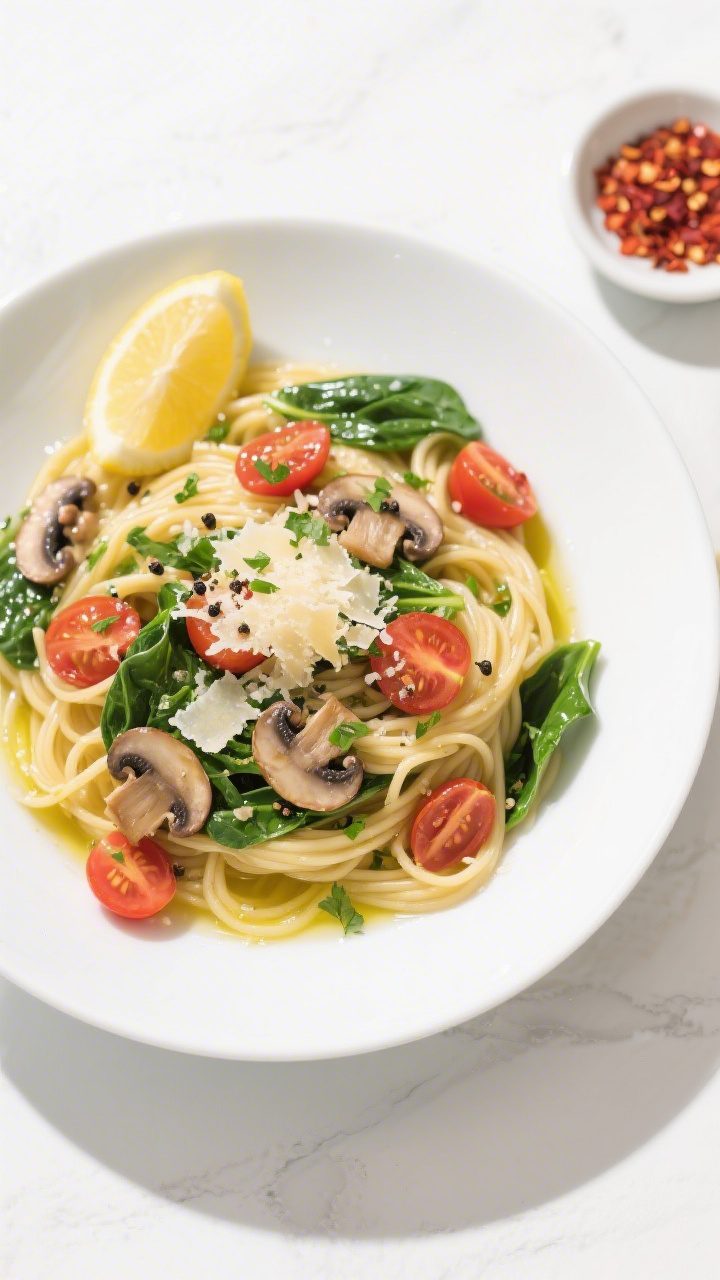
This is the kind of pasta you make when the fridge looks a little bare and you still want something comforting. It’s quick, flexible, and full of flavor thanks to olive oil, garlic, and a handful of humble veggies. No fancy ingredients, no fuss—just a bright, satisfying bowl that feels like a small win on a busy day.
If you can boil water and slice a few vegetables, you’re already most of the way there. Let’s keep it simple, affordable, and delicious.
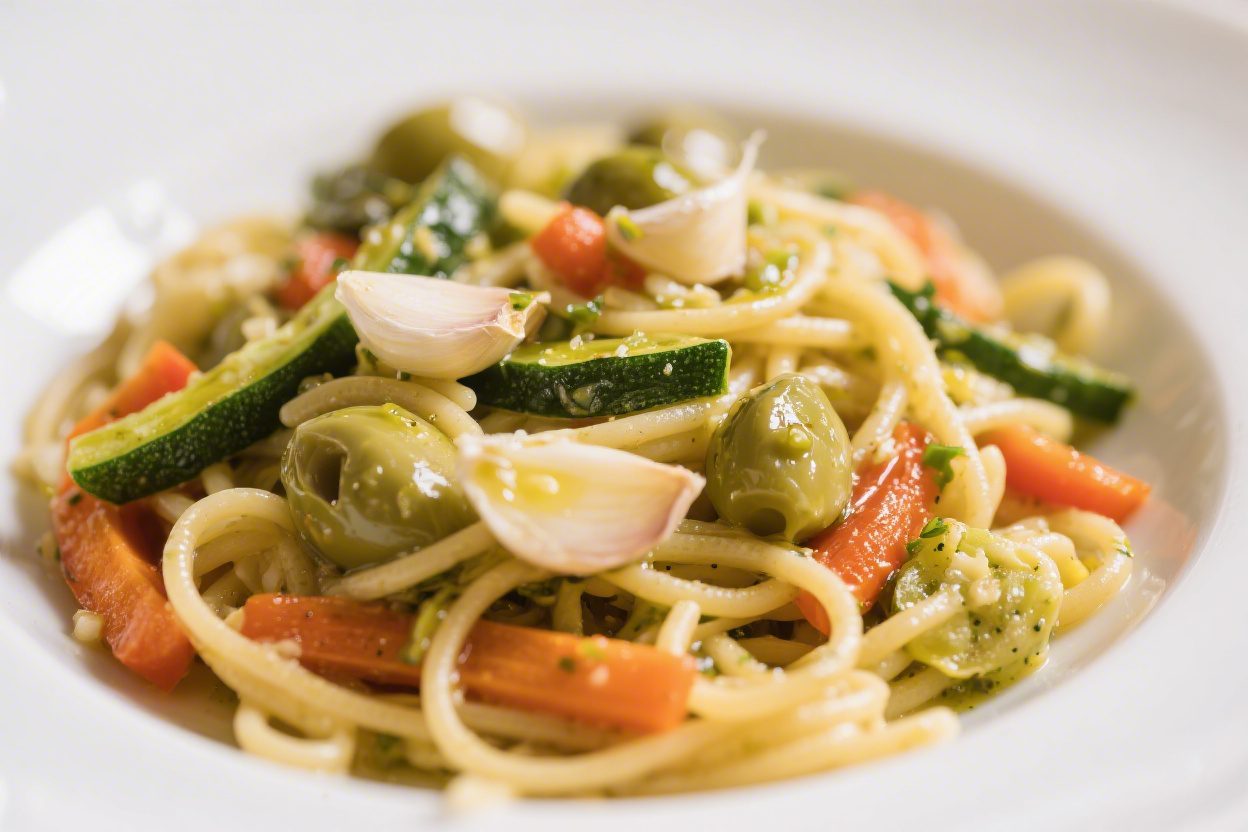
Budget Veggie Pasta With Olive Oil & Garlic - Simple, Affordable, and Satisfying
Ingredients
Method
- Boil the pasta: Bring a large pot of salted water to a rolling boil. Add pasta and cook until just shy of al dente. Reserve 1 cup of the starchy water, then drain.
- Prep the veggies: While the pasta cooks, slice your vegetables into bite-sized pieces so they cook quickly and evenly.
- Start the aromatics: In a large skillet, warm the olive oil over medium heat. Add the garlic and red pepper flakes. Cook 30–60 seconds until fragrant—don’t brown the garlic.
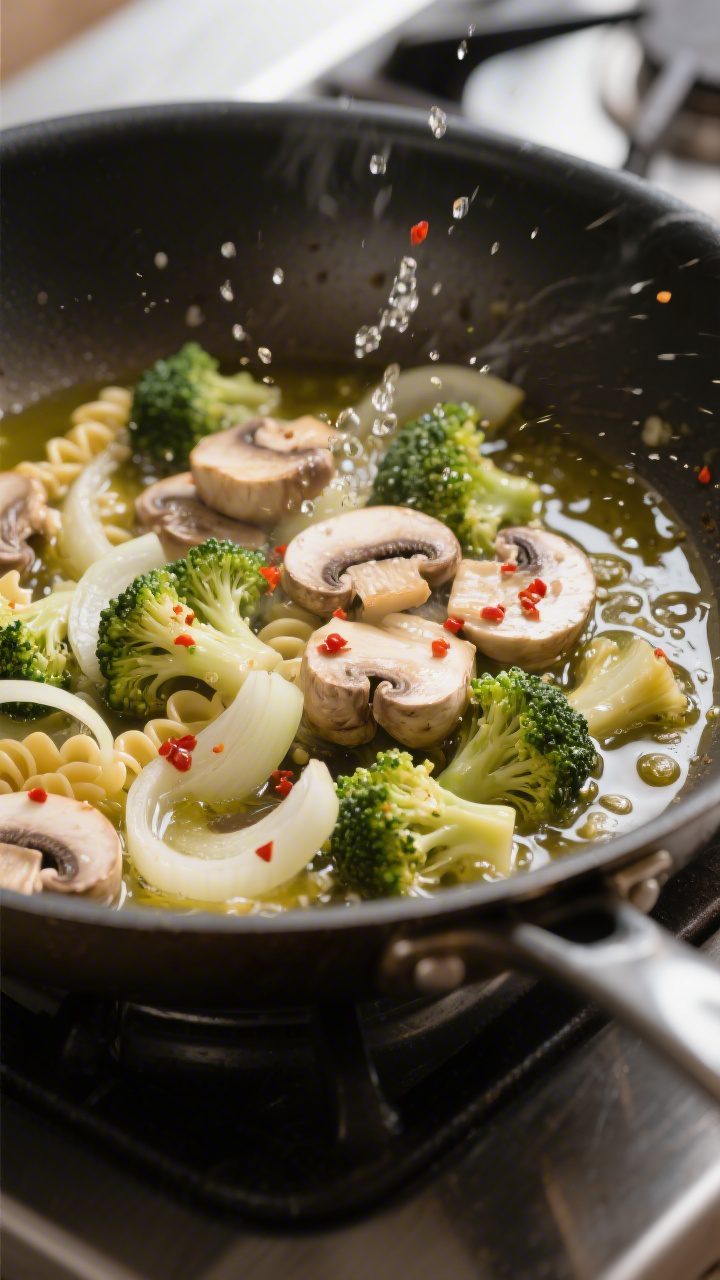
- Sauté the hearty veggies first: Add veggies that need longer (onion, broccoli, peppers, mushrooms). Season with salt and cook 4–6 minutes, stirring.
- Add tender veggies: Stir in quick-cooking options (zucchini, tomatoes, peas, spinach). Cook another 2–4 minutes until tender but bright.
- Build the sauce: Add a splash of the reserved pasta water to the skillet and scrape up any flavorful bits. Add lemon zest and a squeeze of lemon juice.
- Toss with pasta: Add the drained pasta to the skillet. Toss well with tongs, adding more reserved water a little at a time until the pasta looks glossy and coated.
- Finish and season: Stir in cheese (if using) and herbs. Taste and adjust with more salt, pepper, or lemon.
- Serve: Divide into bowls and top with a drizzle of olive oil and extra cheese if you like.
Why This Recipe Works
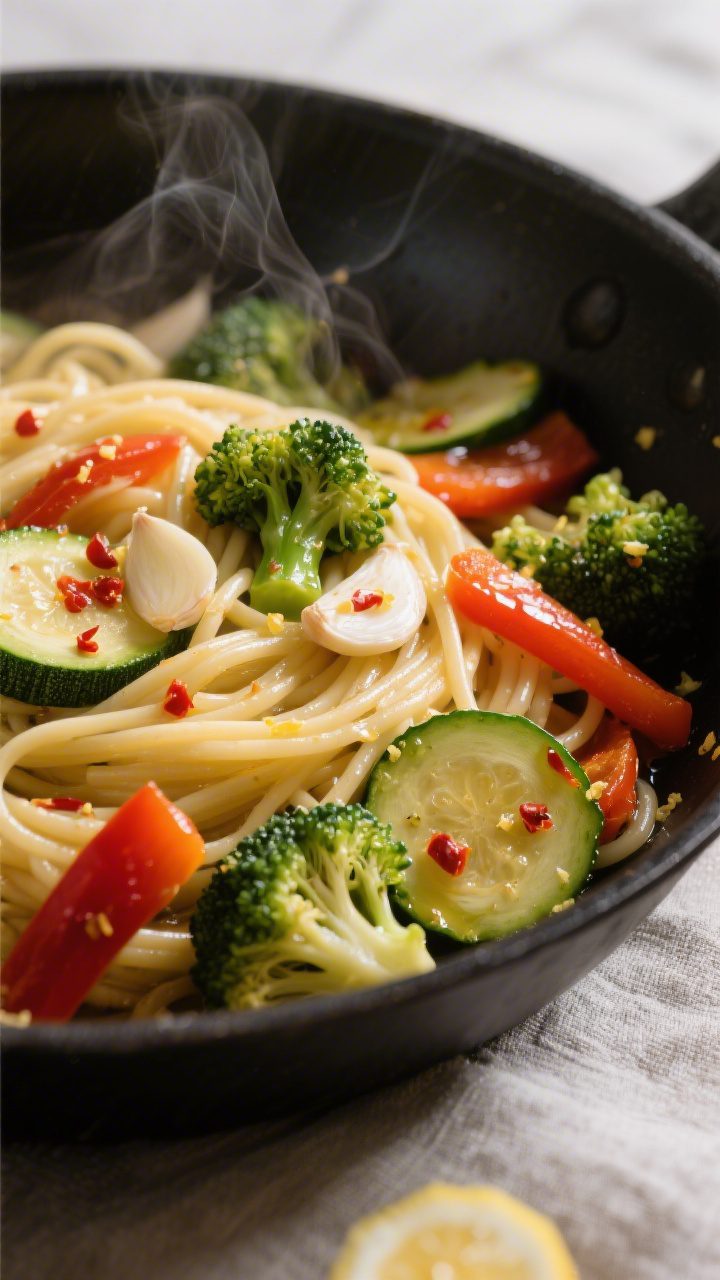
- Simple ingredients, big flavor: Olive oil and garlic do the heavy lifting, creating a savory base that makes everything taste richer.
- Flexible with whatever you have: Use any vegetables on hand—fresh, frozen, or canned. It’s a great way to prevent waste.
- Quick and weeknight-friendly: The sauce comes together in the time it takes to cook the pasta.
- Budget-conscious: Pantry staples and low-cost veggies keep the price down without sacrificing taste.
- Light but satisfying: You get a flavorful, non-creamy sauce that coats every strand, with veggies adding texture and color.
What You’ll Need
- Pasta: 12 ounces of spaghetti, linguine, or short pasta like penne.
- Olive oil: 1/4 cup (extra-virgin if you have it, regular works too).
- Garlic: 4–6 cloves, thinly sliced or finely minced.
- Red pepper flakes: 1/4 to 1/2 teaspoon, to taste (optional).
- Vegetables (about 4 cups total), any mix:
- Broccoli florets or broccolini
- Bell peppers, sliced
- Zucchini or yellow squash, half-moons
- Cherry tomatoes, halved (or canned diced tomatoes, drained)
- Spinach or kale, chopped
- Frozen peas, corn, or mixed veggies
- Mushrooms, sliced
- Onion, thinly sliced
- Lemon: Zest and juice of 1/2 to 1 lemon.
- Salt and black pepper: To taste.
- Parmesan or a budget-friendly hard cheese: 1/3 cup, grated (optional but great).
- Fresh parsley or basil: A small handful, chopped (optional).
- Pasta cooking water: Reserve 1 cup before draining.
How to Make It
- Boil the pasta: Bring a large pot of salted water to a rolling boil.
Add pasta and cook until just shy of al dente. Reserve 1 cup of the starchy water, then drain.
- Prep the veggies: While the pasta cooks, slice your vegetables into bite-sized pieces so they cook quickly and evenly.
- Start the aromatics: In a large skillet, warm the olive oil over medium heat. Add the garlic and red pepper flakes.
Cook 30–60 seconds until fragrant—don’t brown the garlic.
- Sauté the hearty veggies first: Add veggies that need longer (onion, broccoli, peppers, mushrooms). Season with salt and cook 4–6 minutes, stirring.
- Add tender veggies: Stir in quick-cooking options (zucchini, tomatoes, peas, spinach). Cook another 2–4 minutes until tender but bright.
- Build the sauce: Add a splash of the reserved pasta water to the skillet and scrape up any flavorful bits.
Add lemon zest and a squeeze of lemon juice.
- Toss with pasta: Add the drained pasta to the skillet. Toss well with tongs, adding more reserved water a little at a time until the pasta looks glossy and coated.
- Finish and season: Stir in cheese (if using) and herbs. Taste and adjust with more salt, pepper, or lemon.
- Serve: Divide into bowls and top with a drizzle of olive oil and extra cheese if you like.
Storage Instructions
- Refrigerate: Cool completely, then store in an airtight container for up to 4 days.
- Reheat: Warm gently on the stove with a splash of water or broth to loosen; or microwave in short bursts, stirring in between.
- Freeze: Not ideal for long pasta, but short pasta versions freeze up to 2 months.
Thaw overnight and reheat with a little water and fresh lemon.
- Meal prep tip: Keep extra lemon wedges and a bit of olive oil on hand to refresh the flavor after reheating.
Why This Is Good for You
- Vegetable-forward: You’ll get fiber, vitamins, and antioxidants from a colorful mix.
- Heart-friendly fats: Olive oil provides monounsaturated fats that support heart health.
- Light yet nourishing: No heavy cream—just a clean, garlicky sauce that keeps you satisfied without weighing you down.
- Customizable nutrition: Add chickpeas or white beans for plant protein, or choose whole-wheat pasta for extra fiber.
What Not to Do
- Don’t burn the garlic: It turns bitter fast. Keep heat moderate and stir.
- Don’t skip the pasta water: Its starch makes the sauce silky and helps everything cling to the noodles.
- Don’t overcook the veggies: Aim for tender-crisp so they keep color and bite.
- Don’t forget to season: Salt in the pasta water and a final taste at the end make a big difference.
- Don’t overcrowd the pan: If needed, cook veggies in batches to avoid steaming.
Recipe Variations
- Protein Boost: Add a can of drained chickpeas or white beans to the skillet with the tender veggies. Toss until warmed through.
- Lemony Greens: Use mostly spinach or kale, extra lemon zest, and finish with crushed walnuts for crunch.
- Tomato-Garlic Twist: Add 1 cup canned crushed tomatoes after sautéing garlic.
Simmer 5 minutes, then proceed.
- Smoky Veg: Stir in a pinch of smoked paprika with the garlic for a subtle, budget-friendly depth.
- Breadcrumb Crunch: Toast plain breadcrumbs in olive oil with a pinch of salt and garlic powder. Sprinkle over the finished pasta.
- Olive and Capers: Add chopped olives and a spoon of capers for a salty, puttanesca-style vibe.
- Dairy-Free: Skip cheese and add nutritional yeast for a savory, cheesy note.
FAQ
Can I use frozen vegetables?
Yes. Add them straight from the freezer to the skillet after the garlic, and cook off any extra moisture before adding pasta.
They’re affordable, convenient, and still delicious.
What kind of pasta works best?
Any shape is fine. Long strands like spaghetti are classic for aglio e olio style, but short shapes like penne or rotini catch bits of veggies nicely.
How do I make it spicier?
Increase the red pepper flakes or add a pinch of chili powder. You can also drizzle with chili oil at the end for a clean, spicy finish.
Is bottled lemon juice okay?
Fresh lemon tastes brighter, but bottled works in a pinch.
Start with a smaller amount, taste, and adjust.
How do I keep it from tasting bland?
Salt the pasta water generously, don’t skimp on garlic, and finish with lemon, black pepper, and a final drizzle of olive oil. A small handful of herbs or a sprinkle of cheese also boosts flavor.
Can I make it gluten-free?
Yes. Use your favorite gluten-free pasta and watch the cooking time closely.
Reserve pasta water as usual—it still helps bind the sauce.
What if I don’t have fresh garlic?
Use 1/2 to 1 teaspoon garlic powder in the skillet, adding it with the veggies so it doesn’t burn. It won’t be the same, but it’s still tasty.
How can I make it creamier without cream?
Stir in a spoonful of hummus or a bit of reserved pasta water with extra Parmesan. Both create a creamy texture without a heavy sauce.
Wrapping Up
This Budget Veggie Pasta with Olive Oil & Garlic proves you don’t need a long ingredient list to eat well.
It’s quick, flexible, and easy on the wallet, with bright flavors that feel fresh every time you make it. Keep the core method the same, then swap in whatever veggies you’ve got. When you want comfort without complication, this bowl delivers.
Printable Recipe Card
Want just the essential recipe details without scrolling through the article? Get our printable recipe card with just the ingredients and instructions.